

Personal style is rarely defined by the heavy lifting of a coat or the silhouette of a pair of trousers alone. Instead, the nuance of an outfit usually resides in the smaller details—the texture of a leather belt, the weight of a gold-plated necklace, or the specific drape of a silk scarf. Finding a reliable fashion accessories shop near me is a task that requires balancing immediate availability with long-term quality. While the convenience of a local boutique is undeniable, the digital marketplace has expanded the definition of ‘local’ through rapid shipping and hyper-localised search algorithms. This analysis explores how to identify the best sources for these finishing touches, whether they are brick-and-mortar establishments or high-efficiency online retailers.
How to identify high-quality accessory retailers in your immediate area
Locating a physical shop involves more than a cursory glance at a map. To find a source that offers longevity rather than disposable trends, one must analyze the ‘signals’ a shop sends out. High-end accessory boutiques typically prioritize curation over volume. When you are searching for a shop nearby, look for indicators of craftsmanship. This includes the presence of local artisans or brands that emphasize material transparency. A shop that can tell you the origin of its leather or the specific micron thickness of its gold plating is often superior to a generalist department store.
Digital signals for local discovery
Before leaving the house, the use of localized search filters on social platforms can reveal ‘hidden’ boutiques that don’t have massive marketing budgets. Instagram’s map feature and TikTok’s location-based tags are often more current than traditional business directories. Search for tags like #LocalBoutique or #HandmadeJewelry followed by your city name. This often leads to small-scale creators who maintain physical studios or pop-up spaces. These venues provide a tactile experience that online shopping cannot replicate—specifically the ability to test the weight of a handbag or the clasp strength of a bracelet.
Another factor is the density of the retail environment. High-street hubs often host reliable names like Marks & Spencer (available via Awin retail networks), which provides a baseline of quality for staples like leather belts and wool scarves. While these aren’t ’boutiques’ in the traditional sense, their consistent quality control makes them a safe bet for foundational accessories that need to survive daily wear. Prices for these staples usually range from $25 to $80, offering a middle ground between fast fashion and luxury.
Comparing big-box retailers versus local independent boutiques
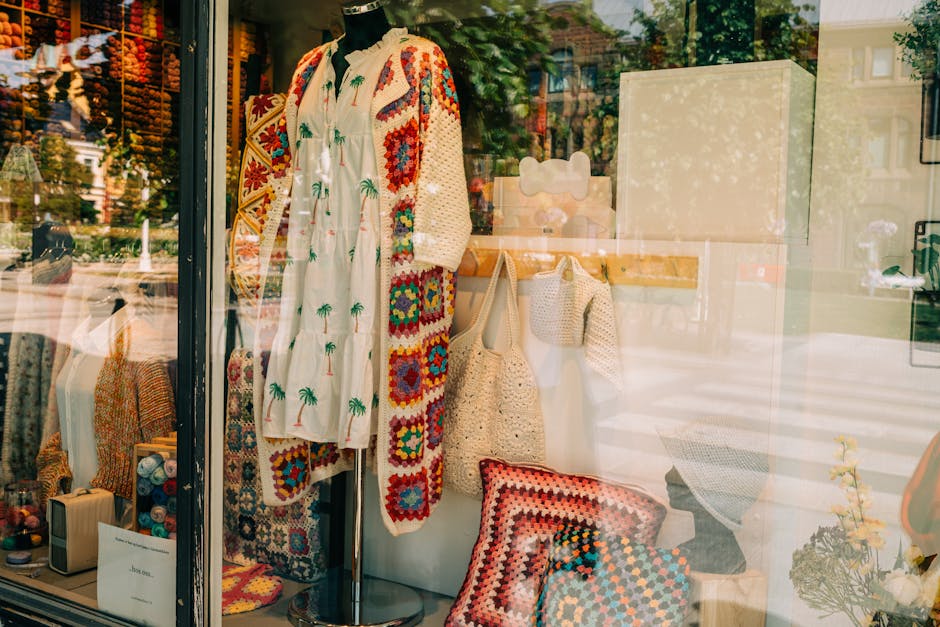
The choice between a major retailer and a small independent shop involves a trade-off between variety and exclusivity. Big-box retailers, such as Nordstrom or ASOS (Retail), offer an immense scale of inventory. You can find thousands of earrings or belts in a single session. However, the risk is ‘style saturation’—the likelihood that you will see the same accessory on five other people in the same week. Local boutiques offer the opposite: limited runs and unique designs, often at a higher price point due to lower production scales.
Retailer Comparison Matrix
| Retailer Type | Average Price Point | Pros | Cons |
|---|---|---|---|
| Department Stores (e.g., Nordstrom) | $50 – $400 | Excellent return policies, wide brand variety. | High markup on mid-tier brands. |
| Independent Boutiques | $80 – $600 | Unique, curated pieces; supports local economy. | Limited return windows; higher entry price. |
| High-Street Retail (e.g., ASOS) | $10 – $150 | Trend-accurate; very affordable. | Material quality can be inconsistent. |
For those prioritizing durability, the department store often wins on the basis of its warranty and return infrastructure. If a $200 watch from a major retailer stops ticking after a month, the resolution process is standardized. In contrast, an independent shop might offer a more personal repair service, but it is entirely dependent on their internal policy. When shopping at ASOS, one of the most prominent retail affiliates, the advantage lies in their ‘Premium’ tier of accessories. For instance, their ASOS Design Sterling Silver collection offers a pro of being hypoallergenic and long-lasting for a price of roughly $30-$60, though the con is that the designs are often mass-produced and lack a ‘hand-forged’ aesthetic.
Essential accessory categories to look for in any shop
A truly ‘best’ accessories shop should be judged by its core inventory. If a shop excels in jewelry but fails in leather goods, it may not be your go-to destination. A balanced wardrobe requires specific categories that serve both functional and aesthetic purposes. When evaluating a shop near you, check the quality of their ‘The Big Three’: Leather, Metals, and Textiles.
Leather goods and hardware quality
Whether it is a belt or a crossbody bag, the leather quality is non-negotiable. Look for ‘full-grain’ or ‘top-grain’ labels. Avoid ‘genuine leather’ if you are looking for something that will last more than a season; ‘genuine’ is often a marketing term for the lowest grade of real leather. A high-quality leather belt should feel supple but not flimsy. Check the edges—are they painted or burnished? Burnished edges (where the leather is rubbed down to a smooth finish) generally indicate higher craftsmanship than painted edges, which can crack over time.
Jewelry: Understanding the plating
Most ‘fashion’ jewelry is made of brass or zinc alloy coated in a thin layer of gold or silver. The best shops will specify if their items are ‘Gold Vermeil’ or ‘Gold Filled.’
- Gold Vermeil: A thick layer of gold over sterling silver. Price: $60-$150. Pro: Great for sensitive skin. Con: Will eventually wear down to silver.
- Gold Filled: Gold is mechanically bonded to a base metal. Price: $40-$100. Pro: Much thicker than plating; lasts years. Con: Harder to find in ‘trendy’ shapes.
- Flash Plating: Very thin gold layer. Price: $5-$20. Pro: Extremely cheap. Con: Turns green/black within weeks of wear.
If you find a shop that only sells ‘gold-tone’ jewelry without specifying the base metal, you are likely looking at a high-turnover fashion shop rather than a quality accessory destination. This distinction is vital for those who want their accessories to serve as long-term investments rather than temporary ornaments.
Online alternatives with local-speed delivery
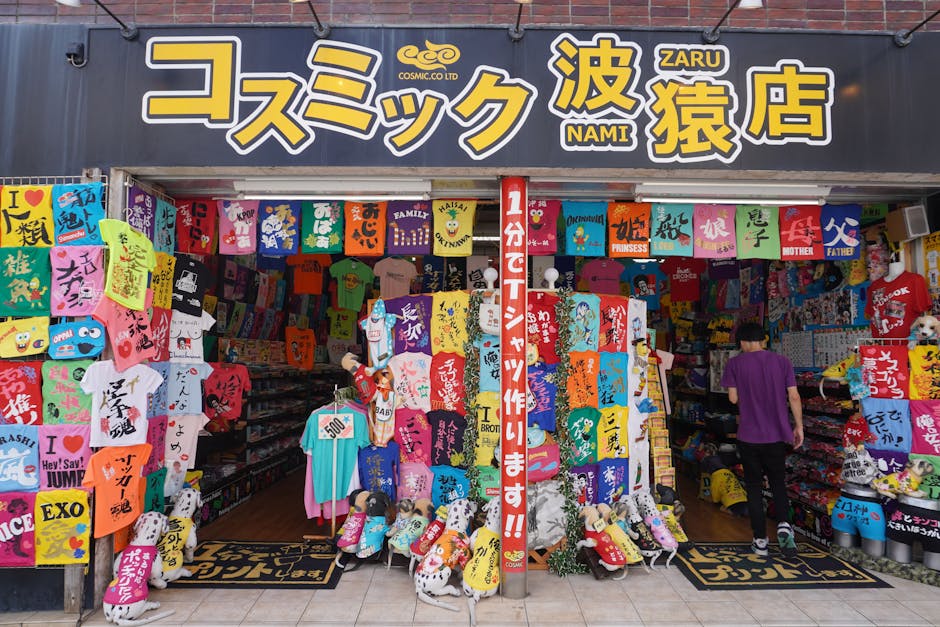
Sometimes the best fashion accessories shop near me is actually a digital one with a distribution center in the same region. The rise of ‘next-day’ delivery has blurred the lines between local and global. Retailers like Selfridges or Harrods (often accessible via Awin) provide luxury accessories that can arrive at your doorstep faster than you could find the time to visit a physical mall. This is particularly useful for specific items like designer sunglasses or high-end silk scarves where the local selection might be limited.
The role of marketplace platforms
Platforms like Etsy allow you to filter by ‘Location,’ effectively turning a global marketplace into a local one. By setting your search to your specific city or state, you can find artisans who offer local pickup or standard shipping that takes only 24-48 hours. This combines the unique ‘find’ of a boutique with the convenience of digital browsing. The pro here is the extreme level of personalization—many of these sellers can engrave or adjust pieces. The con is that you cannot physically try the item on before the transaction is complete.
Investing in a single high-quality leather tote is often more economical than replacing a $30 synthetic bag every six months. The cost-per-wear of a $200 bag used daily for three years is roughly $0.18 per day, whereas a cheap bag that breaks in three months costs significantly more in the long run.
For those looking for reliability in the mid-market, River Island (Retail) offers a robust selection of handbags and purses. Their prices usually hover around $40 to $90. The pro is their design team’s ability to take runway trends and make them accessible; the con is that their hardware (zips and clasps) is often made of lighter, less durable alloys compared to luxury brands. It is a solid choice for ‘statement’ pieces that you may not plan to wear for a decade.
Assessing the material science of accessories
A deep dive into accessory sourcing isn’t complete without discussing the materials that make or break a piece. The ‘feel’ of an accessory is often a result of its density and thermal conductivity. Real silk feels cool to the touch and warms up against the skin; polyester remains relatively temperature-neutral and can feel ‘scratchy’ under a microscope. When you visit a shop, touch the scarves. If a ‘silk’ scarf feels like plastic, it likely is a synthetic blend.
The weight of quality
In the world of jewelry and watches, weight often (though not always) correlates with quality. Solid stainless steel or sterling silver has a specific heft. If a chunky gold chain feels as light as a feather, it is likely hollow plastic or a very thin aluminum alloy. While lightweight jewelry is comfortable, it lacks the structural integrity to withstand being caught on clothing or dropped. High-quality fashion shops will often use 316L Stainless Steel for their ‘waterproof’ collections. This material is highly resistant to corrosion and is often used by brands found on ASOS or in local specialty shops for its durability-to-price ratio.
Textiles also require scrutiny. A winter scarf should ideally be a natural fiber blend—merino wool, cashmere, or alpaca. These fibers offer superior insulation compared to acrylic. While an acrylic scarf might cost $15 at a local fast-fashion outlet, a $50 wool scarf from a retailer like Marks & Spencer will actually keep you warm and won’t develop the ‘pilling’ (small balls of fuzz) that makes cheap knitwear look aged after three wears.
Strategic budgeting: When to splurge and when to save
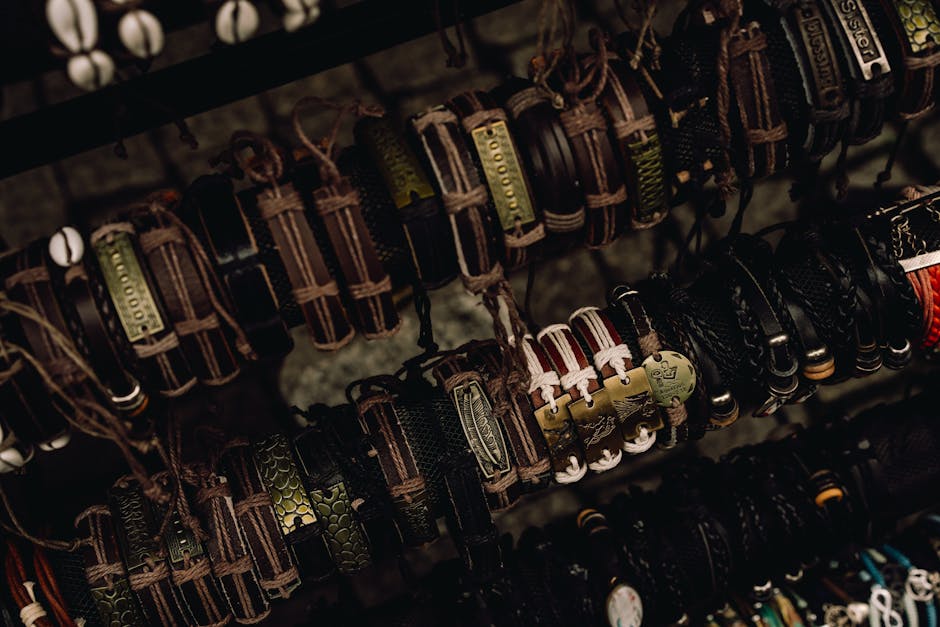
Not every accessory requires a triple-digit investment. A strategic shopper knows which items are worth the ‘splurge’ at a high-end boutique and which can be ‘saved’ on at a budget-friendly shop. This decision should be based on the frequency of use and the physical stress the item will endure. Shoes and handbags are high-stress items; earrings and hair accessories are low-stress.
The Splurge List
- Leather Footwear: Your feet carry your entire weight. Cheap materials lead to discomfort and rapid wear. Expect to pay $150+ for quality.
- Everyday Timepieces: A watch is both a tool and a statement. Investing in a piece with a sapphire crystal (scratch-resistant) and a reliable movement is worth the $200-$500 entry price.
- Winter Staples: A 100% cashmere scarf is a lifetime purchase if cared for.
The Save List
- Trend-Based Jewelry: If neon green resin rings are ‘in’ this month, don’t spend more than $20. These pieces have a short stylistic shelf life.
- Hair Accessories: Claw clips and headbands are easily lost or broken. High-street shops like New Look or ASOS are perfect for these.
- Evening Clutches: Unless you attend galas weekly, an evening bag usually sits in a closet. A mid-range synthetic option is often sufficient.
When looking for these items, consider the financial tools available. Some retail partners offer financing or ‘buy now, pay later’ options (common in the Awin finance/telecom sectors) which can make a high-quality $400 investment piece more accessible via monthly installments. This is often a better financial move than buying four $100 pieces of lower quality that will need replacing within a year. By treating accessories as a curated collection rather than a series of impulse purchases, you ensure that your ‘near me’ search results in a wardrobe that is both resilient and refined.
Ultimately, the best fashion accessories shop is the one that aligns with your specific material requirements and ethical standards. Whether you find a local leather worker through a map search or utilize the vast catalogs of major retailers, the goal remains the same: finding pieces that elevate the mundane into the exceptional. Take the time to feel the fabrics, check the clasps, and read the labels. Your wardrobe will thank you for the diligence.