

Searching for the best hoodies at a low price without compromising on comfort or style? It’s a common quest. A good hoodie isn’t just a casual top; it’s a versatile layering piece that can elevate an outfit or simply provide warmth. Finding quality on a budget, though, requires a keen eye and some specific knowledge. This guide cuts through the noise, showing you exactly what to look for and where to find value in 2026’s market, ensuring your money goes further for pieces that genuinely last.
Spotting Value: What Makes a Good Budget Hoodie?
Buying a cheap hoodie doesn’t mean settling for poor quality. The key is understanding where brands cut corners and where they maintain standards. A truly good budget hoodie balances material, construction, and fit. This means you need to look beyond the immediate price tag and consider how the garment is actually made and what it’s made from.
Many low-priced options exist, but few offer lasting comfort and durability. This section dives into the specifics, helping you identify genuine value. Avoid the trap of buying something simply because it’s inexpensive; instead, invest in items that offer a strong cost-per-wear. This practical approach saves money long-term and reduces textile waste.
Fabric Blends and Weight Explained
Fabric is the foundation of any garment. For hoodies, cotton is king for breathability and softness, while polyester adds durability, wrinkle resistance, and often a smoother feel. Many budget hoodies use a cotton-polyester blend. A 50/50 or 80/20 cotton/poly blend offers a good balance: the cotton provides comfort, and the polyester helps it hold its shape and resist shrinking.
Look at the fabric weight, often measured in GSM (grams per square meter) or ounces per square yard. A heavier fabric, typically 300 GSM (10 oz/yd²) or more, suggests a more substantial, warmer, and often more durable hoodie. Lighter fabrics (200-250 GSM) are fine for warmer weather or layering, but they won’t offer the same cozy feel or longevity as a heavier weight. For core warmth, aim for at least 280 GSM. Fleece linings, whether brushed cotton or polyester, contribute significantly to warmth and softness. A good fleece lining should feel dense, not sparse, when compressed.
Construction Details That Last
The way a hoodie is sewn together dictates its lifespan. Examine the seams. Double-stitched seams, especially in high-stress areas like the shoulders, armholes, and cuffs, are a hallmark of better quality. A single stitch can unravel quickly with regular wear and washing.
Check the hardware. Drawstrings should be thick and securely anchored, not thin strings that pull out easily. Eyelets for the drawstrings should be metal, not just simple holes in the fabric. Zippers, if present, should be YKK or a similarly robust brand. Plastic zippers are common on budget items but ensure they operate smoothly and don’t feel flimsy. Pockets should be reinforced at the stress points where they meet the body of the hoodie. Look for extra stitching or bartacks here. These small details prevent tears and extend the garment’s life significantly.
Fit and Sizing Considerations
Even the highest quality hoodie will look bad if the fit is off. Budget brands often have less consistent sizing, so checking measurements is crucial. Most brands provide a size chart; use it. Measure a hoodie you already own and compare. For a relaxed fit, ensure enough room in the chest and shoulders without being baggy. Sleeves should hit at the wrist, and the hem should fall just below the waist or at the hip, depending on your preference.
Consider how you’ll wear it. If you plan to layer it over thicker shirts, size up. If you want a more streamlined look, stick to your true size. Keep in mind that cotton can shrink, so if a hoodie is 100% cotton, account for a slight reduction in size after the first wash, especially if tumble-dried on high heat. A good fit doesn’t just look better; it also feels more comfortable and prevents premature wear in strained areas.
The Savvy Shopper’s Checklist for Cheap Hoodies
- Define Your Needs Clearly: Before you even start browsing, decide what you need. Is it for lounging at home, working out, or a casual everyday piece? Do you prefer a pullover or a zip-up? What color palette are you aiming for? Having a clear purpose prevents impulse buys and ensures you find a hoodie that truly serves you.
- Set a Realistic Budget: While we’re talking about low-price hoodies, “low price” means different things to different people. For a decent, lasting budget hoodie, expect to spend between $20 and $40. Anything significantly cheaper might sacrifice too much in terms of quality.
- Read Reviews, but with a Grain of Salt: Online reviews can be helpful, especially for insights on sizing and common issues like pilling or shrinking. However, always consider the source. Look for reviews that mention specific details about fabric, fit, and durability, not just generic praise or complaints.
- Understand Return Policies: When shopping online, a clear and easy return policy is crucial for budget items. You don’t want to be stuck with a hoodie that doesn’t fit or falls apart quickly because returning it is a hassle.
When to Buy: Seasonal Sales and Clearance
Timing your purchases can lead to significant savings. The best times to buy hoodies are during major retail events or seasonal clearances. Look for deals around:
- Post-Winter Clearance (January-February): Retailers clear out winter stock to make way for spring collections. This is prime time for heavy, warm hoodies.
- Black Friday/Cyber Monday (November): These annual sales often include deep discounts on apparel across the board.
- End-of-Season Sales (Summer/Fall): As seasons change, stores often discount basics to prepare for new inventory.
- Mid-Season Promotions: Sign up for email newsletters from your favorite brands. Many send out exclusive discounts or notify subscribers of flash sales.
Avoid buying hoodies at full price right at the start of a new season. Patience pays off when looking for genuine bargains.
Online vs. In-Store: Where to Find Deals
Both online and brick-and-mortar stores offer advantages for finding budget hoodies.
Online Shopping: Offers unparalleled choice and often better prices due to lower overheads. Retailers like Amazon, ASOS, and specific brand websites frequently have sales. The downside is you can’t feel the fabric or try on the item before buying, making reliance on size charts and reviews critical. Look for free shipping and returns to mitigate this risk.
In-Store Shopping: Allows you to physically inspect the hoodie: feel the fabric, check the stitching, and try it on. This is invaluable for assessing true quality and fit. Discount retailers, outlet malls, and even large department stores’ clearance racks can yield hidden gems. While the selection might be smaller than online, the ability to make an informed decision on the spot is a huge plus.
Top Brands for Reliable, Low-Cost Hoodies
Finding a reliable, low-cost hoodie often means turning to brands known for their basic apparel. These companies focus on mass production and efficiency, allowing them to offer good value without outrageous price tags. Here’s a look at some consistent players in the budget hoodie market for 2026:
| Brand | Typical Price Range | Key Material Focus | Fit Tendency | Availability |
|---|---|---|---|---|
| Uniqlo | $29.90 – $49.90 | Cotton, HEATTECH, Dry-EX blends | Modern, slightly slim | Online & in-store |
| H&M | $19.99 – $39.99 | Cotton, Recycled Polyester blends | Relaxed to oversized | Online & in-store |
| Gildan | $15.00 – $25.00 | Heavy Blend Cotton/Poly Fleece | Classic, relaxed, generous | Online (wholesale/retail) |
| Amazon Essentials | $20.00 – $35.00 | Cotton/Polyester Fleece | Standard, comfortable | Online (Amazon) |
Uniqlo’s Core Comfort
Uniqlo consistently delivers excellent value across its basic clothing lines, and their hoodies are no exception. They focus on functional, well-designed staples. Their cotton hoodies often feature a clean, minimalist aesthetic, making them easy to integrate into various outfits. You’ll find options like their cotton full-zip hoodies or their popular ‘Sweat Pullover Hoodie’. Uniqlo’s fabrics often boast proprietary technologies like HEATTECH for warmth or Dry-EX for moisture-wicking, adding practical benefits. While their full-price items might be slightly above the absolute cheapest, their sales often bring hoodies into the $30 range, representing outstanding quality for the price.
H&M’s Trend-Driven Basics
H&M is a go-to for fashion-forward basics at very accessible prices. Their hoodie collection is vast, ing a wide range of colors, fits, and styles from classic pullovers to more oversized, streetwear-inspired designs. H&M frequently uses cotton blends, including those with recycled polyester, aligning with growing sustainability efforts. The fit can vary significantly across their collections, so it’s always worth checking product descriptions or trying them on. You can reliably find solid-color hoodies in the $20-$40 range, perfect for refreshing your wardrobe with current trends without breaking the bank.
Gildan’s Bulk Buy Value
Gildan is perhaps the ultimate in budget-friendly hoodies, often found in bulk or as blanks for custom printing. Their “Heavy Blend” fleece hoodies are legendary for their durability and warmth, primarily made from a cotton-polyester blend. They offer a classic, relaxed fit that prioritizes comfort over tailored style. If you need a work hoodie, a gym layer, or simply a no-fuss option that will withstand countless washes, Gildan is an excellent choice. Expect to find these consistently in the $15-$25 range, often even cheaper when bought in multi-packs online. They are a workhorse, not a fashion statement, but they excel at their job.
Amazon Essentials: The Online Staple
Amazon Essentials has carved out a niche for reliable, no-frills clothing basics at competitive prices. Their hoodies typically come in a cotton-polyester fleece blend, offering a soft interior and decent warmth. The fit is generally standard and comfortable, designed to appeal to a broad audience. These hoodies are straightforward, come in a range of solid colors, and are excellent for everyday casual wear. The convenience of Amazon’s shipping and returns makes them an appealing option for quick, easy purchases. You’ll find Amazon Essentials hoodies consistently priced between $20-$35.
Beyond the Price Tag: Extending Your Hoodie’s Life

The most sustainable and cost-effective hoodie is the one you already own that lasts a long time. Caring for your hoodies properly dramatically extends their lifespan, saving you money on replacements and reducing environmental impact. It’s not just about the initial purchase; it’s about making that purchase count for years, not just months.
Many people toss their clothes in the wash without a second thought, but a few simple steps can prevent pilling, shrinking, fading, and stretched-out cuffs. Think of it as an investment in your wardrobe. These practices aren’t complicated or time-consuming; they just require a bit of mindfulness before you hit the start button on your washing machine or toss your hoodie into the closet.
Gentle Washing Practices
Always check the care label first. For most cotton or cotton-blend hoodies, washing in cold water on a gentle cycle is best. Cold water helps prevent shrinking, preserves fabric integrity, and uses less energy. Turn your hoodie inside out before washing; this protects the outer surface from abrasion, which is a major cause of pilling and fading. Use a mild detergent. Avoid harsh chemicals or excessive amounts of detergent, as these can break down fabric fibers over time. If possible, wash hoodies with similar items to prevent zippers or buttons from other garments from snagging the fabric. Line drying or tumble drying on low heat is ideal. High heat can cause significant shrinkage and damage elastic components, like ribbed cuffs and hems. If you must use a dryer, remove the hoodie while it’s still slightly damp and lay it flat to finish air-drying.
Smart Storage Solutions
How you store your hoodie also impacts its longevity. Avoid hanging heavy hoodies on thin wire hangers, as this can distort the shoulders and cause bumps or stretching. For heavier fleece or cotton hoodies, folding them neatly and storing them on a shelf or in a drawer is preferable. This maintains their shape and prevents stress on the fabric. If you have a lighter, less structured hoodie, a wider, padded hanger can work without causing damage. Ensure your storage area is clean, dry, and free from direct sunlight, which can fade colors over time. Proper storage keeps your hoodies looking fresh and ready to wear, preventing unnecessary wear and tear when they’re not even being used.
Common Hoodie Problems and Quick Fixes
How to Prevent Pilling?
Pilling occurs when short fibers on the fabric surface break and tangle together, forming small balls. This often happens in areas of high friction, like under the arms or where bags rub against the garment. To prevent it, wash your hoodie inside out on a gentle cycle with cold water. Avoid harsh detergents and excessive agitation. Air drying is also beneficial. If pills do appear, use a fabric shaver or a lint brush designed for pill removal. Gently glide the shaver over the affected areas to safely remove the pills without damaging the fabric. Regular use of a fabric shaver can keep your hoodie looking smooth.
What to Do About Shrunken Hoodies?
Most hoodies shrink due to high heat during washing or drying, especially those with a high cotton content. If your hoodie has shrunk slightly, you might be able to stretch it back. First, soak the hoodie in lukewarm water mixed with a tablespoon of hair conditioner or baby shampoo for about 30 minutes. Gently wring out the excess water, then lay the damp hoodie flat on a towel. Carefully stretch the fabric back to its original dimensions, paying attention to the cuffs, hem, and body. You can use heavy objects to hold the edges down while it air dries. For severely shrunken hoodies, this might not fully restore them, but it often helps alleviate minor shrinkage.
How to Fix a Stuck Zipper?
A stuck zipper can be frustrating, but often it’s a simple fix. First, check if any fabric is caught in the zipper teeth; if so, gently pull it out. If the zipper is just stiff, try lubricating the teeth. Rub a graphite pencil lead along both sides of the zipper teeth, or apply a small amount of bar soap or wax. Gently work the zipper up and down. If the slider itself is bent or misaligned, you might need a pair of pliers. Very carefully, and with minimal pressure, squeeze the sides of the slider to realign it. Be cautious not to squeeze too hard, as this can break the slider permanently. If the teeth are completely damaged or missing, the zipper likely needs professional replacement.
Picking Your Perfect Hoodie: A Final Verdict
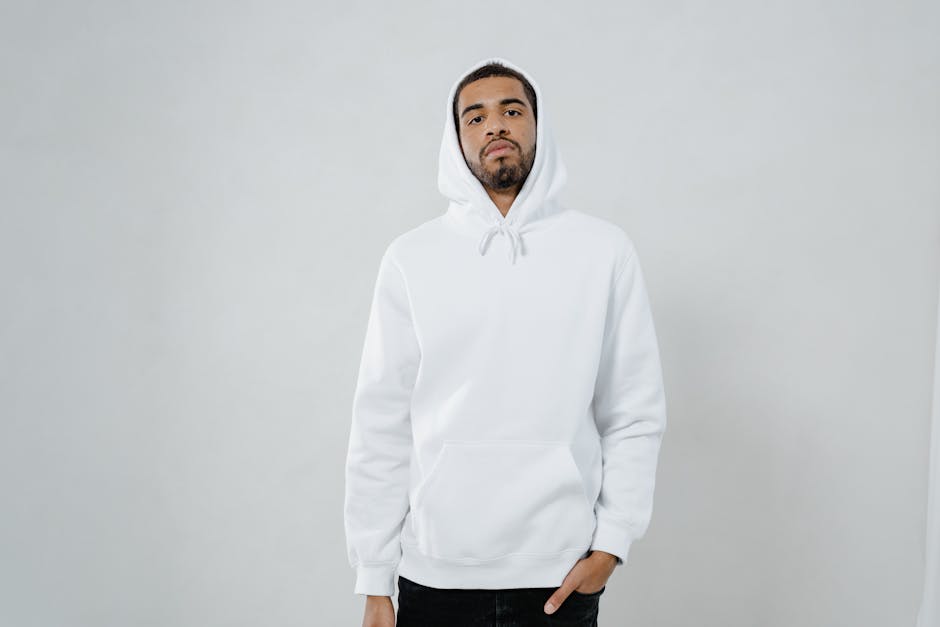
Finding a low-price hoodie isn’t about just grabbing the cheapest option. It’s about smart choices: understanding fabric, scrutinizing construction, and recognizing reliable brands known for value. With mindful shopping and proper care, your affordable hoodie will become a lasting wardrobe favorite. Focus on quality basics that deliver true comfort and durability.