
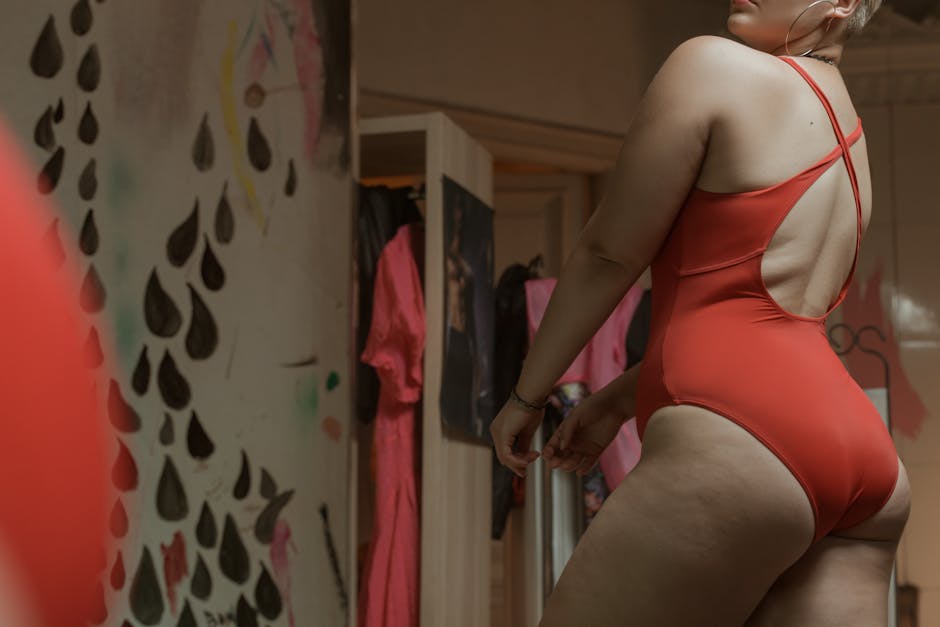
The label says tummy control. The model looks incredible. You order in your regular size, it arrives, and when you try it on — the fabric is thin enough to see your hand through, the ruching puckers at exactly the wrong spot, and the waistband sits two inches below your natural waist. Back it goes.
This is the standard experience with slimming swimwear, because the term has been drained of meaning. Tummy control is now what natural is on a food label — a descriptor with no definition and no minimum standard required to use it. Here is how to find the suits that actually mean it.
Why Tummy Control Labels Mean Almost Nothing
A single-layer nylon-spandex suit in a dark color can legally call itself tummy-controlling. There is no certification, no minimum compression spec, no independent standard required to use the label. This is the main reason shopping by keyword alone produces such inconsistent results.
Real tummy control comes from two distinct sources: compression fabric and structured inner lining. These are not interchangeable, and most budget swimwear has neither.
Compression fabric means the outer shell of the suit itself has enough tension and density to hold the midsection in place. This comes from two things: high spandex content — typically 18–20% — and a tight weave that creates resistance when stretched. The key test is stretch-and-recovery. A suit that stretches under pressure and snaps back with force is compressing. A suit that stretches and stays stretched is just… stretchy. Most swimwear in the $30–$60 range is the latter.
Structured inner lining is a separate compression layer sewn inside the suit, independent of the outer fabric. The most recognized form is powermesh — a rigid, tightly-woven mesh that acts like a second garment inside the swimsuit. When you pull the lining of a suit outward and feel stiff resistance, that is powermesh working. When it collapses flat with no pushback, you have a basic liner that adds coverage but no structural hold.
Torso length is a separate problem that rarely gets discussed. When a suit is cut too short for your torso, the elastic sits at the widest part of your midsection rather than the natural waist. Instead of compressing, it pushes everything upward and outward, creating a pressure ridge that is more visible than no compression at all. Standard suits are typically cut for a 5’3″–5’5″ torso. Taller women, or anyone with a proportionally long torso, will find standard-length suits misbehave on their body regardless of compression features.
One more thing that rarely gets stated plainly: light colors in thin fabric become translucent when wet. A pale pink or white suit that looks smooth when dry will lose any smoothing effect the moment you get in the water. If concealment is genuinely the goal, medium-to-dark solid colors and denser fabric weight are functional requirements, not stylistic preferences.
Design Features That Create a Slimming Effect, Ranked by Impact

Not all slimming design features carry equal weight. Here is an honest ranking of what actually moves the needle, from highest to lowest real-world impact:
- Powermesh or compression inner panel. The single highest-impact feature. A suit with a proper powermesh panel will outperform any suit without one, regardless of cut, color, or ruching. Without this, everything else is cosmetic.
- Spandex content above 18%. At this level, the outer fabric itself provides meaningful support. Below 12%, you are relying entirely on cut — which creates shape but not compression. Always check the fabric composition label before buying.
- Ruching at the midsection. Gathered fabric conceals body contour — but only when the base fabric has enough density to support it. Ruching on thin material just adds texture over whatever is already visible underneath. It is a finishing tool, not a foundation.
- V-neck or surplice front. Creates a vertical visual line running down the center of the torso. Draws the eye lengthwise rather than widthwise. Works without any compression at all — genuinely useful when tight fabric is not tolerable for a full beach day.
- Built-in underwire bra. Lifts and defines the bust, which shifts the overall silhouette in a way that de-emphasizes the midsection. Most effective for women who need bust support anyway — the slimming effect is a byproduct, not a primary mechanism.
- Dark solid color. Reduces visible surface variation by absorbing light rather than reflecting it. Real but limited — a dark color on a thin, unlined suit will not hide much once wet.
Six One-Piece Suits Worth Actually Buying
Here are six specific suits with honest compression assessments — not what the marketing says, but what the construction delivers.
| Suit | Price | Compression Level | Standout Feature | Best For |
|---|---|---|---|---|
| Miraclesuit Solid Escape One-Piece | ~$168–$178 | High — MIRATEX fabric + powermesh lining | Maximum all-over compression; engineered construction, not just a label | Anyone who needs the strongest available hold |
| Magicsuit by Miraclesuit Solid Casey Underwire | ~$148–$158 | High — same MIRATEX construction | Softer feel than Miraclesuit with equal compression power | Those who find Miraclesuit too stiff for a full day out |
| Spanx AintCheatin One-Piece | ~$148 | High — Spanx inner compression panel | Spanx-specific compression technology; softer feel than traditional powermesh | Spanx loyalists; comfortable all-day compression without rigidity |
| J.Crew Long-Torso Underwire One-Piece | ~$138 | Medium — fully lined, no powermesh | Long-torso fit available; underwire support to DD cup | Taller women or long-torso bodies who need proper fit before anything else |
| Lands’ End Tugless Tank One-Piece | ~$65–$85 | Medium — lined, modest compression | Stays in place all day; consistent sizing; holds up to chlorine across seasons | Frequent swimmers who want reliable coverage without premium pricing |
| Cupshe Deep V Ruched One-Piece | ~$35–$45 | Low — no inner compression panel | Deep V neckline elongates the torso visually; good proportional fit for price | Occasional pool days where comfort matters more than structural compression |
Bottom Line: For real tummy control, Miraclesuit and Magicsuit are the honest answer — their construction is substantively different from standard swimwear. Lands’ End is the clearest value pick with genuine coverage. Cupshe works for visual slimming on a budget but will not provide structural hold.
The One Sizing Error That Defeats Compression Suits
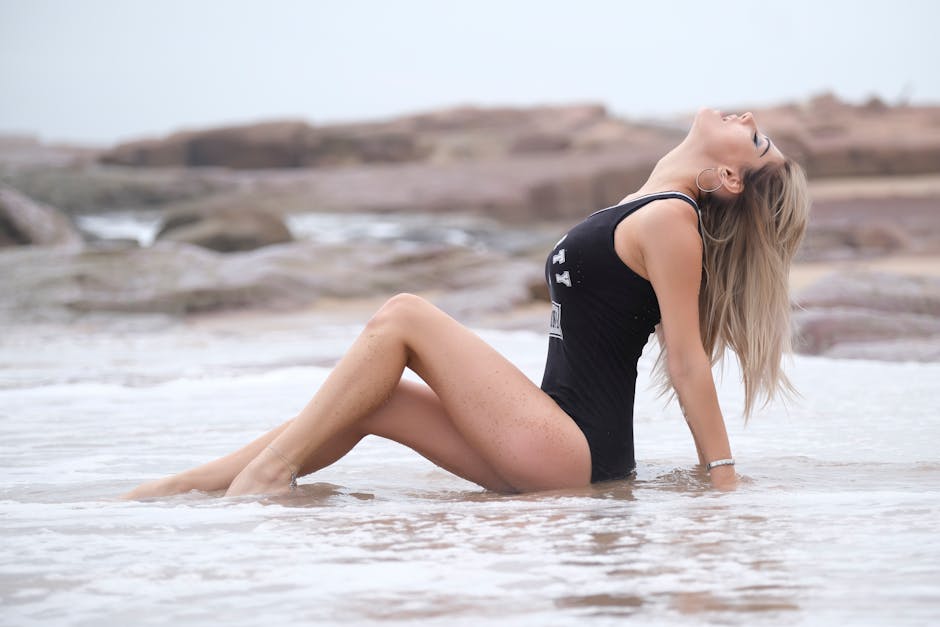
Buying your regular size in a compression swimsuit is almost always wrong. Powermesh and high-compression suits are designed to work with negative ease — the suit should be slightly smaller than your body measurements to generate actual hold. When the suit is too tight, the edges cut into the waist and thighs, creating visible ridges that draw more attention than no compression at all. If you are between sizes in any of the high-compression options, size up. Every time, without exception.
Matching the Right Style to Your Specific Body
For front-of-midsection concerns specifically, ruching over a powermesh lining is the most targeted solution available. The Miraclesuit Solid Escape and the ruched styles from Magicsuit are built for exactly this: gathered fabric conceals body contour while the compression lining provides structural hold underneath. You need both working together. Ruching alone on a standard-lined suit is decorative, not functional — the ruching draws the eye to the midsection without actually smoothing it.
If side volume or love handles are the primary concern, the leg cut matters as much as the front panel. A higher-cut leg opening visually lengthens the thigh-to-hip line, which reduces the apparent width of the side waist by creating a more defined silhouette. The Magicsuit Solid Casey accomplishes this with a classic higher-cut leg that works particularly well for pear-shaped proportions.
For postpartum bodies or midsections that have changed significantly with weight loss: skip anything labeled light control. Light control is a double-lined suit. It adds smoothing but no real structural support. If genuine concealment is the goal, the compression needs to come from powermesh or an equivalent. This is where Miraclesuit and Spanx at $148–$178 justify their price — not for branding, but for fabric engineering that performs differently in a way you feel immediately when you put them on.
If tight compression fabric for a full beach day sounds genuinely uncomfortable — and for some people it is, especially in heat — then work with visual design instead of compression. A dark-colored suit with a surplice wrap front creates a strong center V that reads as a vertical line running the length of the torso. The Lands’ End Surplice One-Piece at around $75 does this without any powermesh: no structural hold, but a consistently flattering cut that works across a wide range of body types without the feeling of being squeezed all afternoon.
What No One Mentions When You Search for These Suits

Do Amazon swimsuits with tummy panel labels actually work?
Occasionally. Cupshe is a real brand with consistent sizing and decent construction for the price — their V-neck and ruched styles work as visual slimming tools. But genuine powermesh compression panels are almost exclusively sold by brands like Miraclesuit, Magicsuit, and Spanx that control their own manufacturing. Any Amazon suit promising shapewear-level compression for $25 is almost certainly using the language as marketing copy, not describing actual construction. Check for powermesh, MIRATEX, or compression-panel-specific language in the product description. If it is not there, you have a basic lined suit — which is fine for what it is, just not what the label implies.
Do compression swimsuits hold up for actual swimming?
Yes, but compression degrades faster under repeated chlorine exposure than standard swimwear does. Spandex breaks down in chlorinated water, which means the hold diminishes season by season. Rinse in cold fresh water immediately after every swim session and never machine dry a compression suit. A Miraclesuit maintained this way should hold its compression for two to three full seasons. One that goes through the dryer regularly will lose meaningful function within a single summer — which makes the $170 price tag look a lot worse in hindsight.
Is there a point where you are just overpaying for a label?
Yes. The $148–$178 range — Miraclesuit, Magicsuit, Spanx — is where real compression engineering begins, and the functional difference from a lined suit is immediately noticeable when you put it on. Above that price point, you are generally paying for designer branding or fashion-forward styling rather than improved compression performance. Below $130, you are in medium-compression territory: real lining, real coverage, but not the structural hold that powermesh provides. The Lands’ End Tugless Tank at $65–$85 represents the most defensible value in the category: consistent construction, stays in place, survives a real swimming season without falling apart.
Will this category improve over the next few years?
Powermesh construction has been the standard in high-compression swimwear for over a decade, and it works well enough that there is little pressure to replace it. What is improving is the range — long-torso options, extended sizing, and a wider variety of necklines and cuts at the compression level have all expanded significantly. The suits worth buying are getting easier to find, even if the marketing language around them remains just as unreliable as it has always been.