

Most people don’t replace basics because they’re tired of the style. They replace them because the fabric pills, the collar stretches, or the seams give out after 18 months. A decade-long basic is not a myth. It’s a checklist.
I’ve pulled apart enough t-shirts and sweaters to know what fails first. Here are the six checks that matter, with specific numbers for fabric weight, stitch count, and fiber blends.
The Fabric Weight Test: What Numbers Actually Hold Up
Forget the marketing copy. Look at grams per square meter (GSM) or ounces per square yard (oz/yd²). These numbers tell you how much material is physically present before you ever touch the garment.
A t-shirt below 150 GSM is a disposable item. It will be semi-transparent, wrinkle into a ball, and develop holes near the belt line. The Buck Mason Field-Spec Cotton Tee sits at roughly 200 GSM. That’s the floor for a decade-long basic. Uniqlo U Crew Neck runs around 210-220 GSM in the heavyweight version. Both are real, buyable, and under $35.
For sweatshirts, the bar is higher. Anything under 350 GSM is a fashion layer, not a warmth layer. The Reigning Champ Midweight Terry Crew uses 400 GSM fleece. It costs $145 and it shows. You feel the weight in the cuffs before you even put it on.
Denim is measured in ounces. The sweet spot for everyday wear is 12 to 14 oz. Vintage Levi’s 501s from the 80s and 90s were typically 13.5 oz. Modern fast-fashion jeans often drop to 9 or 10 oz. They feel softer on day one, but they blow out at the knees by year three.
Bottom line: check the tag or product page for GSM or oz/yd². If the brand won’t publish it, assume the number is low.
Seams and Stitching: The 30-Second Inspection
Turn the garment inside out. You can do this in a fitting room in under 30 seconds.
Look for these three things:
- Stitch density: Count the stitches per inch. Quality basics run 8-12 stitches per inch on main seams. Cheap garments run 6-8. Fewer stitches = more stress per stitch = faster failure.
- Seam finish: Raw, serged edges are fine for t-shirts. But if the serging is loose or the thread is already fraying on a new garment, walk away. The Everlane Heavyweight Crew uses clean flatlock seams on the shoulders that sit flat and don’t rub.
- Reinforcement: Check the stress points. A quality tee has bar tacks or reinforced stitching where the sleeve meets the body. A cheap tee just runs the same seam through and hopes for the best.
This is not a subtle art. If the inside looks messy, the outside will look worse after 20 washes.
Fiber Blends: When Synthetic Is Not the Enemy
Pure natural fibers are not automatically better. A 100% cotton t-shirt can be thin, weak, and pill-prone if the cotton is short-staple. A 100% merino sweater can develop holes if the yarn is fine and loosely spun.
The blend matters more than the purity.
For t-shirts, look for long-staple cotton — Pima, Supima, or Egyptian. The longer the fiber, the fewer ends stick out, the less pilling you get. Uniqlo Supima Cotton Crew is a real product at $19.90 that uses actual Supima. That’s rare at that price.
For socks and base layers, a small synthetic percentage is good. A 70% merino / 30% nylon blend will outlast 100% merino by years. The nylon reinforces the weak points where merino yarns snap. Darn Tough socks use exactly this logic and they back it with a lifetime guarantee. That’s not marketing. That’s math.
For sweaters, avoid acrylic blends if you want a decade. Acrylic pills aggressively and loses shape after a few washes. A 100% lambswool sweater from a mill like Harley of Scotland or Jamieson’s will look better at year eight than an acrylic blend looks at year one.
Bottom line: check the fiber label. If it says “acrylic” and the price is under $50, you’re buying a one-season sweater.
The Collar and Cuff Problem
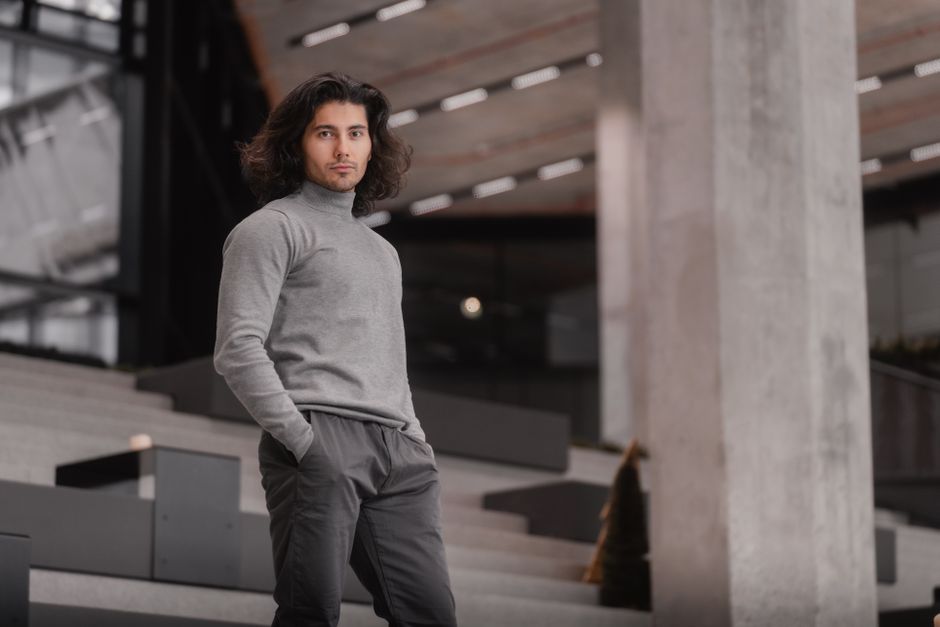
Collars are the first thing to fail on a polo or button-down. The fix is not complicated: look for a collar with a separate, structured band. Cheap polos use a single layer of fabric folded over. It curls, it wrinkles, it dies.
Sunspel makes a Riviera Polo at $115 with a collar that keeps its shape through years of washing. The collar has a hidden interior structure that prevents curling. You can find cheaper polos, but you won’t find that collar construction below $80.
For cuffs on sweatshirts and sweaters, the test is simple. Stretch the cuff. If it snaps back immediately, the ribbing has real recovery. If it stays stretched or returns slowly, the elastic is weak. That’s the first part of the garment to sag.
One more thing: never buy a basic with a printed-on logo that sits on the surface of the fabric. That print cracks and peels. It’s not a durability issue with the fabric — it’s a durability issue with the entire garment. A decade-old t-shirt with a cracked logo looks like a rag, even if the cotton is still perfect.
When Not to Buy the Expensive Version
There’s a point of diminishing returns, and it’s lower than most people think.
For white t-shirts, do not spend more than $50. White tees get stained by deodorant, sweat, and coffee. Even the best cotton will yellow eventually. The Uniqlo U Crew Neck at $19.90 is the right call here. Buy three. Replace them every two to three years. That’s not a failure of quality — it’s the reality of wearing white against skin.
For socks, spend more. The cost-per-wear on a $25 pair of Darn Tough socks is lower than a $10 six-pack from a department store. The cheap pack will have holes by month six. The Darn Tough pair will outlast the decade and get replaced for free if it doesn’t.
For denim, buy vintage or deadstock when possible. A pair of 1990s Levi’s 501s in 13.5 oz denim costs $60-100 on eBay. A new pair of comparable quality costs $200+. The vintage pair has already proven it can survive 30 years. That’s the best durability test there is.
Care Habits That Kill Basics Faster Than Bad Fabric
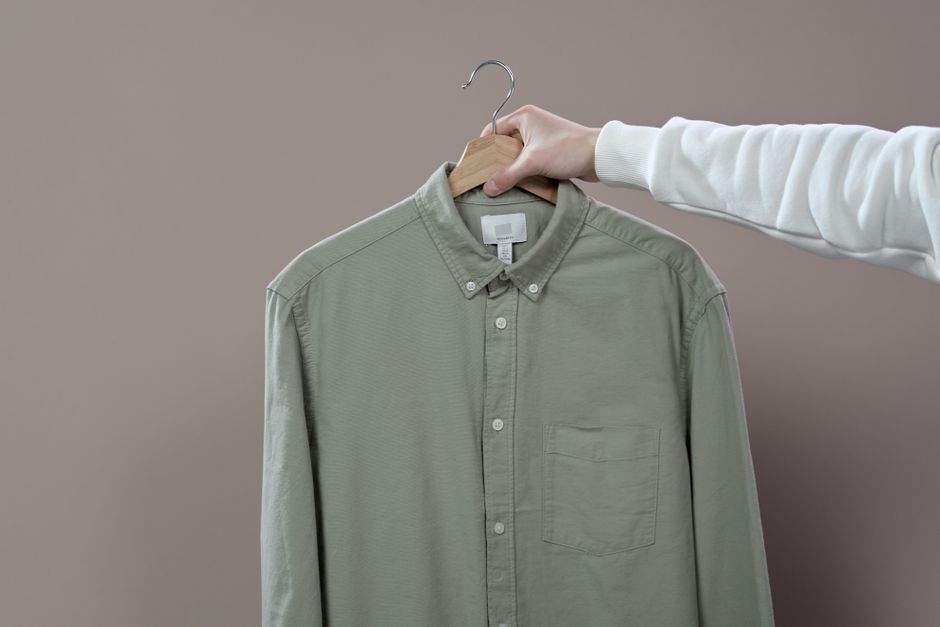
You can buy the best basics in the world and destroy them in six months with bad laundry habits. Here’s what actually matters:
- Wash cold, dry low. Heat is the enemy of elastic, wool, and cotton. A hot dryer cycle breaks down fibers faster than anything else you do.
- Skip the dryer sheets. They coat fibers in a waxy residue that traps odors and weakens wicking. Use wool dryer balls instead.
- Wash inside out. This protects the visible surface from abrasion against other clothes. It’s the single easiest durability win.
- Don’t over-wash. A sweater worn over a base layer doesn’t need washing after every wear. Air it out. Spot clean. Wash only when it actually smells.
These habits add years to any garment, cheap or expensive. But they add the most years to the expensive ones, because those fabrics have more life to give.
The verdict: buy fewer, heavier, better-constructed basics. Check the GSM, the stitch count, and the fiber label. Avoid printed logos and weak collars. And wash everything cold, inside out, with no dryer sheets. Do that, and a $35 t-shirt will outlast a $15 t-shirt five times over.