
Why do most waist belts just sit there looking decorative instead of doing what you bought them to do? The answer comes down to three things: width, stiffness, and where the belt sits on your torso. Get those wrong and you have a hip belt pretending to be a waist belt. Get them right and a single strip of leather changes how a dress fits, how a blazer hangs, and how your proportions read in photos.
This guide covers what to look for, the mistakes that make belts useless, and specific products worth your money. No affiliate links. Just the details that matter.
Width Matters More Than You Think
A belt needs to be at least 2 inches wide to actually cinch a waist. Narrower than that and it will roll, fold, or simply sit on top of fabric without changing the silhouette. The sweet spot for most frames is between 2 and 3.5 inches. Anything wider enters corset-belt territory and starts to restrict movement.
Here is the breakdown:
- Under 2 inches: Decorative only. Works for adding a color pop or breaking up an outfit, but does not create shape.
- 2 to 2.5 inches: The workhorse range. Wide enough to hold fabric in place, narrow enough to sit comfortably against the ribs.
- 3 to 3.5 inches: Strong cinching power. Best for dresses, tunics, and cardigans made of thicker fabric.
- Over 3.5 inches: Corset belt territory. Needs structure, boning, or very stiff leather to avoid folding in half when you sit.
For a specific starting point, the Madewell Leather Waist Belt at 2.25 inches is a reliable mid-range option. It holds a cinch on cotton dresses without looking like a costume piece. If you want something more aggressive, the Anthropologie Cinched Leather Obi Belt runs about 3 inches wide and has a tapered shape that flatters shorter torsos.
The Material Test: Will It Fold or Hold?
Cheap belts fail in one predictable way: they buckle in the middle when you tighten them. That fold creates a bulge under your clothes and defeats the purpose of cinching. The fix is choosing a material with enough stiffness to hold its shape under tension.
Leather is the default for a reason. Full-grain leather at 2.5 to 3mm thickness will not fold under normal wear. Bonded leather or thin faux leather will. The difference is visible after about ten wears.
Here is a quick material comparison:
| Material | Stiffness | Durability | Best For |
|---|---|---|---|
| Full-grain leather | High | 10+ years | Daily wear, heavy fabrics |
| Top-grain leather | Medium-high | 5-8 years | Most outfits, good balance |
| Vegan leather (polyurethane) | Low-medium | 1-3 years | Occasional wear, light fabrics |
| Woven or elastic | Low | Varies | Comfort, stretch outfits |
| Suede | Medium | 3-5 years | Soft draping, bohemian looks |
One exception to the leather rule: the Uniqlo Ines De La Fressange Leather Belt is top-grain but thinner at 2mm. It works for lightweight dresses where a heavy belt would drag the fabric down. Know your fabric weight before you buy.
Where the Belt Sits Is the Whole Game
Your natural waist is not where most people think it is. It is the narrowest point of your torso, usually about one to two inches above your belly button. Many women wear belts at the hip line out of habit. That is a hip belt. That will not cinch anything.
Here is the test: bend sideways. The point where your torso creases is your natural waist. That is where the belt goes.
For short torsos, a belt that sits slightly above the natural waist can create the illusion of length. For long torsos, sitting slightly below the natural waist balances proportions. The J.Crew Braided Leather Belt works well for long torsos because the braided texture adds visual weight lower on the frame.
This positioning matters more than the belt itself. A $20 belt placed correctly will outperform a $200 belt worn at the wrong height.
Common Mistakes That Ruin the Look
Most belt failures come from three errors.
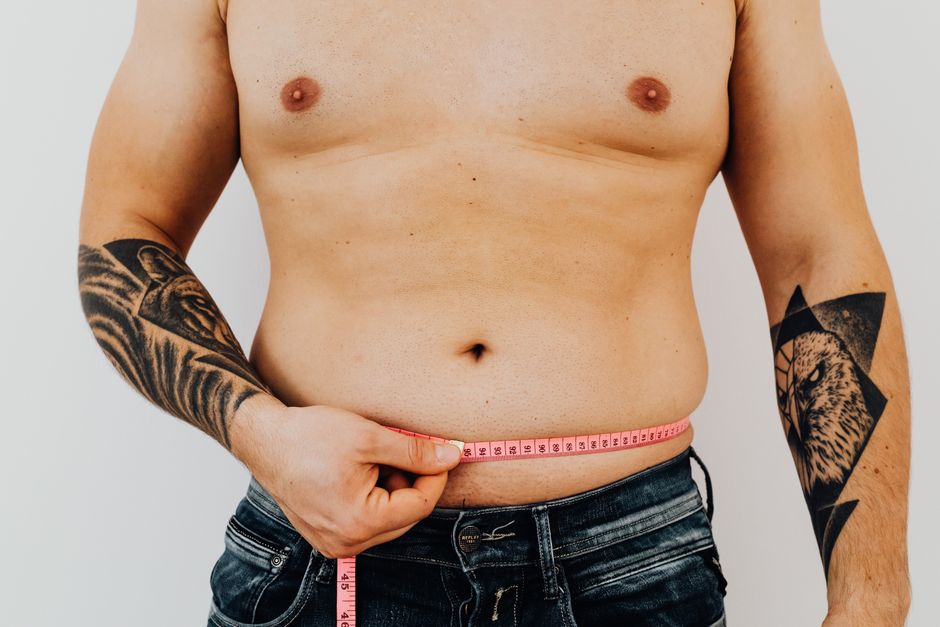
First: buying the wrong size for the intended position. A belt that fits at your hips will be too loose at your waist. Measure the exact spot where you plan to wear it. Do not guess based on your pants size.
Second: pairing a stiff belt with a clingy fabric. A thick leather belt over a silk or jersey dress creates a visible line where the fabric bunches. Use a softer belt or a wider belt that distributes pressure more evenly.
Third: ignoring the buckle. A heavy, ornate buckle adds visual weight that can overwhelm a small frame. A minimal frame buckle or a hidden closure keeps the focus on the waist, not the hardware. The Everlane Modern Leather Belt uses a simple brass buckle that sits flat, which is why it works on petite frames.
When Not to Buy a Waist Belt
Skip the waist belt entirely if you are wearing a boxy or oversized top that does not drape. Cinching a stiff, structured garment creates fabric poufs above and below the belt that look unintentional. A belt works when the fabric can gather naturally. It fails when the fabric fights back.
Also skip it if your outfit already has a defined waistline. Dresses with sewn-in waist seams do not need a belt. Adding one creates a double-waist effect that shortens the torso.
And if you are sitting for long stretches — a long flight, a desk job, a dinner — a wide stiff belt will dig into your ribs. For those situations, choose a belt under 2 inches wide or a stretch woven option like the B-Low the Belt Brielle, which has enough give to sit through a meal without requiring you to unbuckle it.
Three Belts Worth Buying Right Now
For most people, one good waist belt is enough. Here are the three I would recommend based on what you actually wear.
Best all-around: The Madewell Leather Waist Belt at 2.25 inches. It is stiff enough to cinch, narrow enough for daily wear, and the leather ages well. Around $48.
Best for dresses and tunics: The Anthropologie Cinched Leather Obi Belt. The tapered shape means it does not cut straight across your torso, which is more flattering on curvier frames. Around $68.
Best budget option: The Target A New Day Waist Belt at 2 inches. It is not full-grain leather, but it costs under $20 and works for occasional outfits where you just need a quick cinch. Replace it after a season.
Buy one of these, measure your natural waist, and put the belt exactly there. That is the entire secret.