
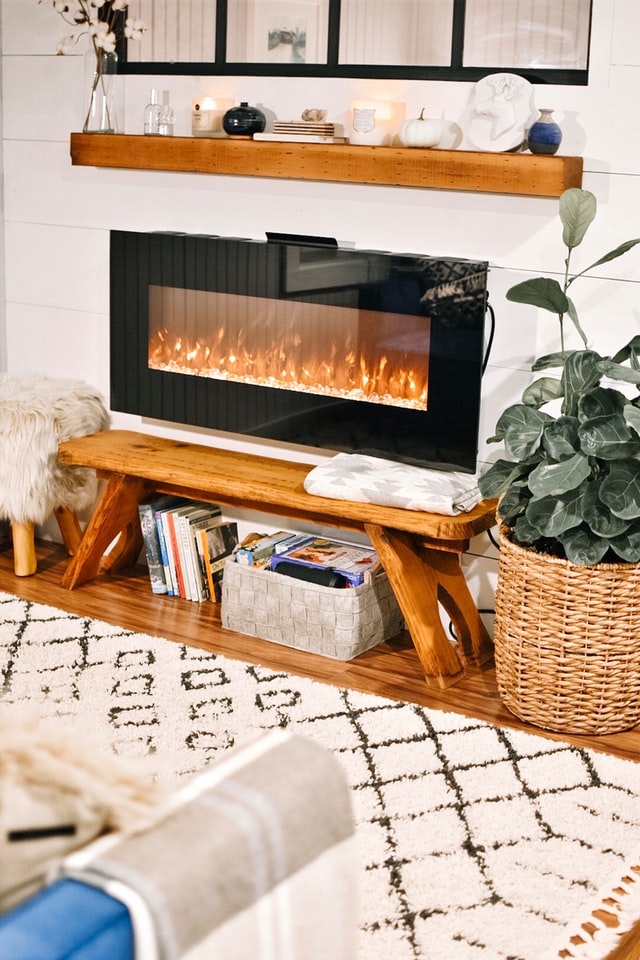
You’ve got a blank wall in the living room, and you want a fireplace. But the second you start looking, you hit a wall of choices: gas, wood, electric, vented, ventless, insert, built-in, freestanding. It’s a mess. So let’s cut through it.
This isn’t about which one “looks better.” It’s about which one works for your house, your budget, and your willingness to deal with ash, gas lines, or extension cords. I spent a weekend digging into specs, prices, and real-world reviews. Here’s what I found.
Electric vs. Gas vs. Wood: The Real Differences (Not the Marketing)
At the most basic level, all three solve the same problem: you want a fire in your home. But the way they solve it changes everything about your installation, your heating bill, and your Saturday mornings.
Wood-burning fireplaces are the original. They burn logs, produce real flames, real heat, and real mess. You need a chimney, a hearth, and a willingness to haul logs. A basic prefab wood fireplace unit from Heatilator runs about $2,500 to $4,000, not including installation or chimney work. Total install with a new chimney can hit $8,000 to $15,000.
Gas fireplaces use natural gas or propane. They look almost like wood fires, but you flip a switch or press a remote. You need a gas line and a vent (unless you buy ventless). A mid-range gas insert from Napoleon or Reyal costs $1,500 to $3,500. Professional installation for gas line and venting adds $1,000 to $2,500.
Electric fireplaces plug into a standard 120V outlet. No chimney, no gas line, no vent. They use LED lights and a heater fan to simulate flames and blow warm air. A decent electric insert or wall-mounted unit from Dimplex or Touchstone costs $300 to $1,200. Installation is hang-it-on-the-wall or slide-it-into-a-hole. Zero additional cost if you have an outlet nearby.
Here’s the kicker: electric fireplaces produce heat — about 4,500 to 5,200 BTUs for most 120V models. That’s enough to warm a 400-square-foot room. A gas fireplace pushes 20,000 to 40,000 BTUs. A wood fireplace can hit 50,000 BTUs or more. So if you want the room to feel like a sauna, electric won’t cut it. But if you want ambiance and some zone heating, electric is fine.
Verdict: If you own your home and have the budget, gas is the best balance of heat, look, and convenience. If you rent, live in an apartment, or don’t want to deal with contractors, electric is the only real option.
Three Mistakes People Make When Choosing a Fireplace
I saw these same mistakes on forums and in product reviews. Avoid them and you’ll save money and headaches.
Mistake 1: Assuming electric fireplaces can heat a whole house
They can’t. An electric fireplace heater is a space heater with a pretty face. The Dimplex Revillusion 36-inch insert (about $850) puts out 5,200 BTUs. That’s enough for a small bedroom or office. But if you try to heat a 1,500-square-foot open-concept living area, you’ll be cold and your electric bill will spike. Electric resistance heat costs about $0.12 to $0.15 per kWh. Running that heater for 8 hours a day for a month adds roughly $50 to $70 to your bill. Gas is cheaper per BTU in most regions.
Mistake 2: Forgetting about venting
Gas fireplaces need to vent combustion gases outside. Ventless gas fireplaces exist, but they release moisture and small amounts of carbon monoxide into your room. Many states (California, Massachusetts, New York) restrict or ban ventless gas fireplaces in bedrooms. Check your local codes before buying. Vented gas is safer and more realistic-looking. But it requires a chimney or a direct-vent pipe through an exterior wall. That pipe costs money and takes up space.
Mistake 3: Buying based on flame appearance alone
Some electric fireplaces have terrible flame effects. The Duraflame 3D Infrared Electric Fireplace (about $200) uses a spinning reflector and colored LEDs. It looks fake up close. The Dimplex Opti-Myst series (about $1,000 to $1,500) uses ultrasonic technology to create a real mist that looks like smoke, then lights it with LEDs. It’s the most realistic electric flame you can buy. But it costs more and requires refilling a water tank. Don’t buy a cheap electric fireplace and expect it to fool anyone.
When NOT to Buy an Electric Fireplace
Electric fireplaces are great for specific situations. But they’re wrong for others. Here’s when you should look at gas or wood instead.
- You want the room to get genuinely hot. Electric units top out around 5,200 BTUs. Gas units start at 20,000. If you want to feel the heat from across the room, go gas.
- You have a large, open floor plan. Electric heat doesn’t circulate well. A gas fireplace with a blower fan can push warm air into adjacent rooms.
- You want a cooking fire. Wood fireplaces let you roast marshmallows or cook on a grate. Electric and gas don’t.
- You’re worried about power outages. Electric fireplaces don’t work when the power goes out. Gas fireplaces with a standing pilot light or a battery backup still work. Wood fireplaces work no matter what.
- You want the highest resale value. Real estate agents consistently say a real wood or gas fireplace adds more value than an electric one. Buyers see electric as a temporary fix.
Bottom line: If you want real heat, real cooking, or real resale value, don’t buy electric. If you want cheap, easy, and zero maintenance, electric is fine.
How to Choose the Right Size and Style
Size matters more than you think. Here’s a quick reference table based on standard room sizes and common fireplace types.
| Room Size (sq ft) | Recommended BTUs | Best Fireplace Type | Example Model | Approx. Price |
|---|---|---|---|---|
| 100 – 200 | 4,000 – 6,000 | Electric | Touchstone Sideline 48-inch | $800 |
| 200 – 400 | 6,000 – 15,000 | Electric or gas | Dimplex Revillusion 36-inch | $850 (electric) |
| 400 – 800 | 15,000 – 30,000 | Gas | Napoleon Vector 36-inch | $2,200 (gas) |
| 800+ | 30,000 – 50,000 | Gas or wood | Heatilator ECO-ADV-WS36 | $3,500 (wood) |
For style, think about your wall. Linear electric fireplaces (like the Touchstone Sideline 48-inch, about $800) are long and low — they look modern and sit under a TV. Traditional gas inserts are square and deep — they look like a real fireplace opening. Freestanding electric stoves (like the Duraflame 24-inch Infrared Quartz Stove, about $180) look like old cast-iron stoves and work in corners.
One rule: Measure the width and height of your opening or wall space before you buy anything. A 48-inch fireplace won’t fit in a 36-inch hole. And a 36-inch fireplace in a 48-inch hole looks ridiculous.
Installation: What You’re Actually Signing Up For
This is where most people get surprised. Let me be blunt about what each option requires.
Electric fireplace installation: You hang a bracket on the wall, plug the unit in, and done. If you want it recessed into the wall, you need to cut a hole, frame it, and run an electrical wire. That’s a weekend DIY project if you’re handy. A handyman will charge $200 to $500 to recess and hardwire a unit.
Gas fireplace installation: You need a certified gas fitter. They run a gas line from your main supply (or install a propane tank outside). They cut a hole in your wall or roof for the vent pipe. They seal everything. This takes 2 to 5 days and costs $1,500 to $4,000 depending on how far the gas line has to run. If you’re installing a gas insert into an existing wood fireplace, it’s cheaper — about $500 to $1,500 for the gas line and vent liner.
Wood fireplace installation: You need a masonry chimney or a prefab metal chimney system. Masonry costs $5,000 to $15,000 for a full chimney. Prefab metal chimneys (like DuraVent) cost $1,000 to $3,000 for the parts, plus installation. You also need a hearth (non-combustible floor protection) that extends at least 16 inches in front of the firebox. That costs another $200 to $800 for tile or stone.
Real talk: If you’re in a rental, an apartment, or a condo, electric is your only option. If you own a house with no existing chimney, electric is the cheapest by a mile. If you already have a chimney, a gas insert is the smart upgrade.
The One I’d Buy Right Now
After all that research, here’s my pick for the most practical, best-looking, and most versatile option for most people in 2026.
For most homeowners: the Dimplex Opti-Myst 36-inch Built-In Electric Fireplace ($1,300). It’s expensive for an electric unit, but the flame effect is genuinely stunning — it uses ultrasonic mist and colored LEDs to create a flame that looks like a real gas fire. It produces 5,200 BTUs of heat, enough for a 400-square-foot living room. It’s zero-maintenance. No venting. No gas line. You can install it in a day. It’s the only electric fireplace I’ve seen that makes guests ask, “Wait, is that gas?”
If you want real heat and have the budget: the Napoleon Vector 36-inch Linear Gas Fireplace ($2,400 plus installation). It’s vented, so it’s safe. It puts out 30,000 BTUs. It has a remote control, adjustable flame height, and a realistic log set. Total installed cost runs about $4,000 to $5,000. That’s not cheap. But it will heat a 700-square-foot room, add value to your house, and look beautiful for 20 years.
If you’re on a tight budget: the Duraflame 3D Infrared Electric Fireplace ($200). The flame effect is okay — not amazing, but okay. It heats about 200 square feet. It’s a freestanding unit you can move from room to room. It’s not a permanent solution. But for $200, it’s a warm light in the corner that costs nothing to install.
Pick the one that matches your house, your budget, and your tolerance for construction dust. That’s the right fireplace for you.