
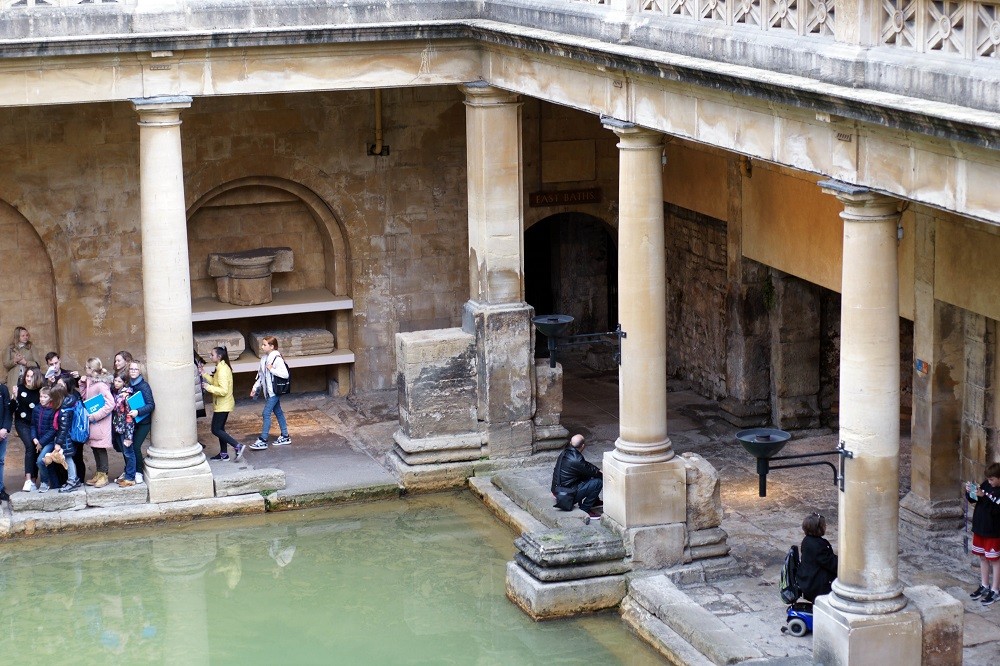
Most people visit the Roman Baths and leave disappointed. Not because the site isn’t remarkable — it is. But because they didn’t plan for the realities: the crowds, the lighting, the cobblestones that ruin heels, and the £28 ticket that feels steep when you’re rushed through in 45 minutes. I’ve been three times in the last two years, once on a bank holiday weekend (mistake), once on a Tuesday morning in November (perfect), and once for the evening torchlit tour (worth every penny). Here’s what I wish someone had told me before the first trip.
How Much Does a Roman Baths Visit Actually Cost?
Let’s talk numbers before the pretty pictures. The Roman Baths isn’t cheap, but the pricing is transparent if you know where to look.
| Ticket Type | Standard Price (2026) | Online Advance Price | Notes |
|---|---|---|---|
| Adult (peak season, Apr-Oct) | £36.50 | £28.00 | Book 7+ days ahead for best rate |
| Adult (off-peak, Nov-Mar) | £28.00 | £22.00 | Weekday mornings cheapest |
| Student / Senior | £24.00 | £18.50 | Bring valid ID — they check |
| Child (6-16) | £18.00 | £14.00 | Under 6 free |
| Family (2 adults + up to 4 kids) | £95.00 | £75.00 | Best value if you have kids |
| Evening Torchlit Tour | £40.00 | £35.00 | Limited capacity, sells out weeks ahead |
Bottom line: never pay full walk-up price. Booking online at least a week in advance saves 20-25%. The evening torchlit tour at £35 is the best experience per pound — smaller groups, dramatic lighting, and you can actually see the bath without elbows in your ribs.
One hidden cost: the audio guide is included in the ticket price. Don’t skip it. It’s one of the best I’ve used at any UK heritage site — narrated by Bill Bryson and several actors, with 3D reconstructions that actually help you visualise the original structure. The handheld device is free, but you’ll need to leave a £1 coin deposit for the locker key if you carry a bag.
What About Parking and Transport?
Parking in Bath city centre runs £8-£15 for 4 hours depending on the car park. The closest to the Roman Baths is the Charlotte Street car park (Bath & North East Somerset Council, £9.50 for 4 hours). But honestly, take the train. Bath Spa station is a 10-minute walk through the Abbey courtyard. Return from London Paddington costs £45-£70 off-peak, and the journey is 80 minutes. If you drive, use the Park & Ride at Lansdown (BA1 9BU) — £3 return for the bus, runs every 12 minutes, and drops you at the top of Milsom Street.
What to Wear (and Not Wear) to the Roman Baths
This is where the fashion angle matters. You’ll see Instagram photos of people in silky dresses and strappy sandals posing by the Great Bath. Those photos were taken in the first 5 minutes before those people realised their mistake. Here’s the reality.
The ground is uneven, damp, and sometimes slippery. The Roman paving stones have been walked on for 2,000 years. They are not flat. Sandals with any kind of heel — even a 3cm block — will catch between stones. I watched a woman in Valentino wedges take a spill near the Sacred Spring on my last visit. She was fine, but her shoe wasn’t. Flat, closed-toe shoes with good grip are non-negotiable. Veja Esplar trainers (£115), Dr. Martens Jadon boots (£200), or even a clean pair of Adidas Stan Smiths (£90) will serve you better than anything with a heel.
Layering Is the Smart Move
The Roman Baths are partly underground and partly open-air. The Great Bath is outside. The museum rooms are indoors with standard heating. The steam from the thermal water keeps the open areas warmer than you’d expect, but the stone floors stay cold. I wore a cashmere-blend jumper from Uniqlo (£49.90) over a cotton T-shirt, with a lightweight trench coat (the Zara draped trench, £89.99) that I could tie around my waist when the sun came out. Do not wear a heavy winter coat inside the museum — you’ll be carrying it after 10 minutes. A packable puffer (Uniqlo Ultra Light Down, £79.90) that stuffs into its own pocket is the ideal outer layer for off-season visits.
The Bag Situation
Bags larger than A4 size (roughly 30cm x 21cm) must be stored in lockers near the entrance. The lockers are small — 35cm wide, 45cm deep, 20cm high. A Longchamp Le Pliage tote (31cm x 28cm) fits. A medium backpack does not. Leave the oversized tote at your hotel. A crossbody bag (I used the Uniqlo round mini shoulder bag, £19.90) is perfect: keeps your hands free, fits phone + cardholder + lip balm, and doesn’t trigger the locker rule.
Three Mistakes That Ruin a Roman Baths Visit
I’ve made all of these. Don’t repeat them.
Mistake #1: Going between 11am and 2pm. The tour buses arrive around 10:30. By 11, the queue snakes past the Pump Room. The walkways around the Great Bath become single-file traffic. Go at 9:30 opening time (ticket sold for the first entry slot) or after 3pm. The last entry is one hour before closing, and the hour before closing is the quietest. On my November visit, I entered at 15:30 and had the terrace garden almost to myself.
Mistake #2: Assuming you can touch the water. You cannot. The thermal water is 46°C and contains over 40 minerals. It’s also been tested and contains trace amounts of lead and arsenic from the natural springs. Touching it is prohibited. The only place in Bath where you can actually swim in the thermal waters is the Thermae Bath Spa (entry from £38 for 2 hours, book ahead). That’s a different experience entirely — modern spa, rooftop pool, no Roman ruins.
Mistake #3: Skipping the museum upstairs. Most visitors rush from the entrance straight down to the Great Bath. The upper floors contain the Roman curse tablets (tiny sheets of lead with prayers for revenge — fascinating), the bronze head of the goddess Sulis Minerva, and the largest collection of Roman architectural stonework in Britain. The curse tablets alone are worth 20 minutes. They’re displayed in dim lighting to preserve the metal, so give your eyes a minute to adjust.
When to Skip the Roman Baths Altogether
Honest take: the Roman Baths are not for everyone. If any of these apply to you, spend your money elsewhere.
You’re claustrophobic in crowds. Even on a quiet day, the walkways around the Great Bath are narrow. During school holidays, it’s shoulder-to-shoulder. The museum rooms are small and can feel cramped. If tight spaces with lots of people stress you out, skip it and visit the Bath Skyline Walk (free, 6-mile trail with panoramic city views) or the Holburne Museum (free entry, excellent art collection, quiet galleries).
You want a full day out. The Roman Baths takes 60-90 minutes to see properly. That’s it. It’s not a half-day attraction. If you’re building a day trip around it, pair it with the Bath Abbey (entry by donation, suggested £5, takes 30 minutes) and a walk along the River Avon. Or book the Thermae Bath Spa for the afternoon — the rooftop pool overlooks the city and is genuinely relaxing.
You’re on a tight budget. £28 for 90 minutes is £18.60 per hour of entertainment. That’s steep. The free walking tours of Bath (tip-based, £10-15 per person is standard) cover the Roman history plus the Georgian architecture, Jane Austen connections, and modern city stories. The Mayor of Bath’s honorary guides run excellent tours starting from the Abbey Churchyard, no booking needed. You’ll learn more about Roman Bath in two hours than the audio guide covers.
Alternative: The Pump Room Instead
If you want the Roman Baths aesthetic without the ticket price, go to the Pump Room restaurant. It overlooks the Great Bath from above — same view, free to enter if you’re dining. The afternoon tea is £38 per person (sandwiches, scones, cake, unlimited tea). The water from the thermal spring is served at the counter for 50p a glass. It tastes warm and metallic. Try it once for the novelty. Then order the Earl Grey.
How to Actually Enjoy the Roman Baths (The Right Way)
Here’s the exact plan I give friends now. It works.
Book the first entry slot of the day (09:30) on a Tuesday, Wednesday, or Thursday. These are the quietest days. Avoid Fridays (hen party crowds from London) and Saturdays (general chaos). Arrive 15 minutes early. Head straight to the Great Bath before anyone else. You’ll get 10-15 minutes of near-emptiness. Take your photos then. The light is soft and golden at that hour — better than midday sun that creates harsh shadows on the green water.
Do the audio guide in this order: Start at the Great Bath (ground level), then go down to the Sacred Spring (lower level), then the Roman temple remains, then the museum rooms upstairs. The audio guide tracks your location automatically and plays the right commentary. Don’t rush the curse tablets. The stories are genuinely weird — one tablet curses a thief who stole a bathing tunic, asking the goddess to “make him lose his mind and his eyes.”
Budget 90 minutes minimum. 60 minutes if you’re speed-running. 2 hours if you read every display panel. The exit leads into the Pump Room courtyard, where you can sit on the stone benches and watch the street musicians. The whole experience — ticket, transport, coffee after — runs about £50-£60 per person if you’re coming from London. That’s a solid day out for the price of a mediocre dinner in the capital.
One last thing: the Roman Baths are not a spa. You cannot bathe. You cannot dip your toes. You stand and look at water that people stood and looked at 2,000 years ago. That’s the whole point. If you go expecting relaxation, you’ll be frustrated. If you go expecting to stand where Romans stood and feel the weight of 2,000 years of continuous human use, it delivers. I’ve been three times. I’ll go again. Just not on a Saturday in August.