

I’ve worn both cashmere and merino sweaters through five Chicago winters, a few damp Seattle falls, and one surprisingly cold trip to Iceland. The short version: one of these fabrics is wildly overpriced for what you get, and the other is the best value in menswear right now. Here’s the breakdown.
The Warmth Test: Cashmere Wins, But Not by the Margin You’d Expect
Cashmere is warmer per gram than merino. That’s not marketing fluff—it’s physics. Cashmere fibers measure 14-16 microns in diameter, while merino runs 17-24 microns. Finer fibers trap more air pockets, and trapped air is what keeps you warm. A 2-ply cashmere sweater from Naadam ($98) keeps me comfortable at 40°F with just a t-shirt underneath. A comparable merino sweater from Uniqlo ($39.90) needs a base layer at that temperature.
But here’s what nobody tells you: the warmth difference shrinks dramatically when you layer. Once you add a jacket or overcoat, both fabrics perform nearly identically. The real warmth variable is wind resistance, and neither cashmere nor merino blocks wind well on its own. That’s what your outer layer is for.
What Actually Matters for Fall Warmth
Fall temperatures in most places hover between 45-60°F. At that range, merino is plenty warm. I wore a Smartwool Merino 250 base layer ($110) under a denim jacket last October in New York and was genuinely hot by noon. Cashmere’s warmth advantage only becomes decisive below freezing, and even then, you’re probably wearing a proper coat anyway.
| Factor | Cashmere | Merino Wool |
|---|---|---|
| Fiber diameter | 14-16 microns | 17-24 microns |
| Warmth per gram | Higher (approximately 8x warmer than sheep’s wool) | Lower, but adequate for fall |
| Comfort at 50°F | Excellent, no itch | Good, minor itch for sensitive skin |
| Best temperature range | 30-50°F | 40-65°F |
| Price for a decent sweater | $80-200 | $30-100 |
My verdict: if you run cold or live somewhere with real winters, cashmere earns its price. If fall for you means 50-60°F days, merino is the smarter buy and you won’t miss the extra warmth.
Durability Is Where Merino Destroys Cashmere
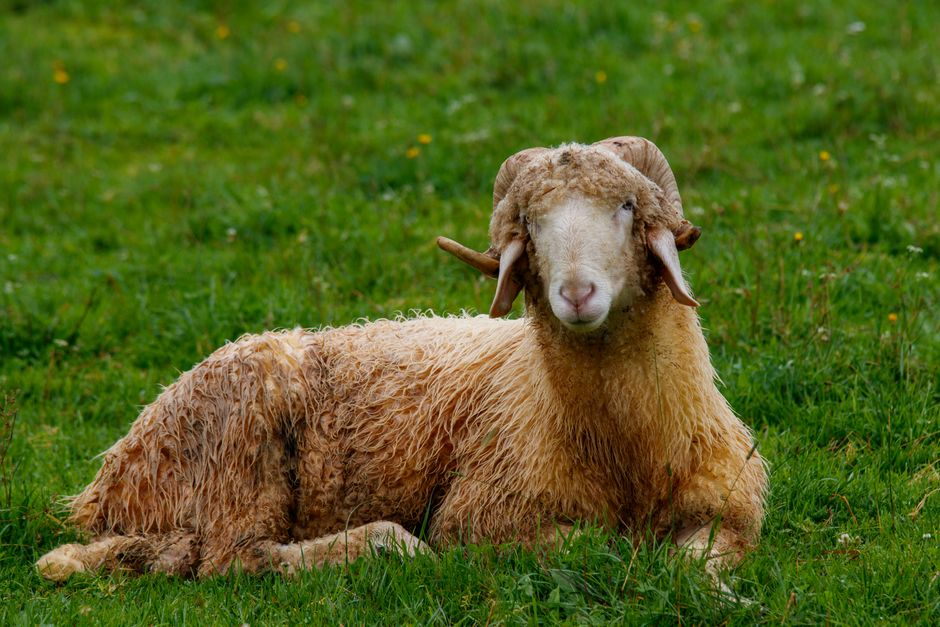
Anyone who tells you cashmere is durable has never owned a cashmere sweater for more than two seasons. Cashmere pills. It pills at the elbows, under the arms, where your bag strap sits, and anywhere friction happens. My Everlane Cashmere Crew ($138) looked tired after one winter. By year three, the elbows were thin enough to see through.
Merino, especially the tighter-knit stuff from outdoor brands, is nearly indestructible by comparison. My Icebreaker Quantum Hoodie ($160) has survived four years of hiking, commuting, and machine washing without significant pilling. The fibers are longer and stronger than cashmere, which means they resist breaking under friction.
The Pilling Reality Check
All natural fibers pill to some degree. But cashmere pills faster because the fibers are shorter and finer. You’ll need a fabric shaver ($12 on Amazon) and a willingness to use it monthly. Merino from quality brands pills minimally after the first wash and then stabilizes. Cheap merino from fast fashion brands will pill more, so spend at least $50 if you want the durability benefit.
The other failure mode with cashmere: moths. Cashmere is a moth’s favorite meal. I lost a Johnstons of Elgin scarf ($95) to moths in one summer. Merino gets attacked too, but less often. Store cashmere in sealed containers with cedar blocks, or accept the risk.
For durability, merino wins without qualification. If you want a sweater that lasts five-plus years with regular wear, buy merino. If you buy cashmere, treat it as a luxury item with a limited lifespan.
When NOT to Buy Cashmere (And What to Get Instead)
Don’t buy cashmere if you’re hard on clothes. If you toss sweaters in the washing machine, wear a backpack daily, or have kids who climb on you, cashmere will disappoint you within months. The fibers can’t handle that abuse.
Don’t buy cheap cashmere. That $50 cashmere sweater from a fast fashion retailer is either blended with inferior fibers, made from short staple cashmere that will pill immediately, or both. Real, decent cashmere starts around $80-100 on sale. Naadam’s Essential Cashmere Sweater ($98) is the floor for quality. Below that, you’re buying disappointment.
Also skip cashmere if you live somewhere with mild falls. If your October temperatures stay above 55°F, cashmere will feel too warm and you’ll never wear it. Merino’s breathability makes it the better choice for transitional weather.
Better Alternatives for Specific Situations
- For travel: Merino wins. It’s lighter, packs smaller, resists odor better, and dries faster. The Outlier Merino T-Shirt ($120) is the gold standard for one-bag travel.
- For office wear: Cashmere looks more polished. A J.Crew Cashmere Crewneck ($128) reads as intentional and refined in a way merino rarely does.
- For layering under jackets: Merino’s thinner profile fits better under blazers and denim jackets. Cashmere adds bulk.
- For sensitive skin: Cashmere is softer against the neck. Merino can feel slightly scratchy if you’re sensitive, though brands like Icebreaker and Smartwool use finer merino that minimizes this.
My honest recommendation for most men: buy two merino sweaters for the price of one cashmere sweater. You’ll get more wears, more durability, and enough warmth for 90% of fall days.
What Five Years of Care Taught Me About Both Fabrics

Care is where most people fail with both cashmere and merino. The rules are simple but non-negotiable.
Cashmere care: Hand wash cold with a wool-specific detergent like The Laundress Wool & Cashmere Shampoo ($19). Never wring it. Roll it in a towel to remove water, then lay flat to dry. Store folded, never hung. Hanging stretches the shoulders permanently. Expect to hand wash every 3-4 wears, or dry clean once per season.
Merino care: Most quality merino can go in the washing machine on a cold, gentle cycle using a wool detergent. Use a mesh bag. Lay flat to dry. Merino dries faster than cashmere and tolerates more frequent washing. Some brands like Icebreaker even make machine-washable merino that’s designed for regular washing.
The biggest mistake I see: people treat cashmere like a cotton sweater and throw it in the wash. That’s how you end up with a felted, shrunken mess that fits a toddler. If you can’t commit to hand washing, buy merino. Period.
Final Verdict on Cashmere vs. Merino for Fall
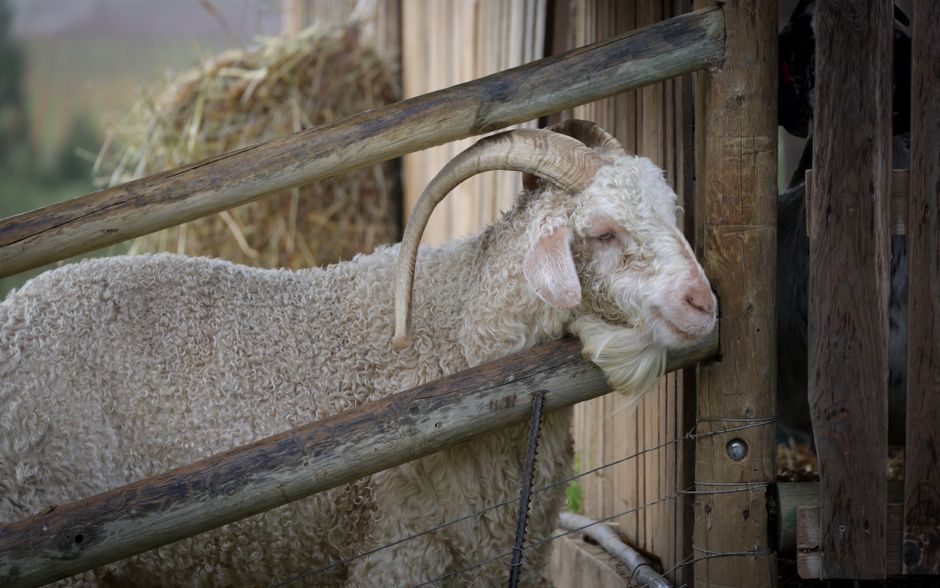
Cashmere is warmer per gram, softer against the skin, and looks more refined. Merino is more durable, more affordable, more breathable, and easier to care for. For fall specifically, merino wins for most people. Cashmere earns its place if you run cold, want the luxury feel, or need something that reads as more formal.
If I could only own one sweater for fall, it would be a mid-weight merino crewneck. If I could own two, I’d add one good cashmere crewneck for the coldest days and dressier occasions. Skip cheap cashmere entirely—it’s the worst of both worlds.
Quick Comparison Summary
- Warmest per gram: Cashmere (by roughly 30-40%)
- Most durable: Merino (significantly longer lifespan with regular wear)
- Best for fall temperatures: Merino (more versatile across 40-65°F range)
- Best for below freezing: Cashmere (when layered under a proper coat)
- Easiest care: Merino (machine washable in most cases)
- Best value: Merino (half the price, double the lifespan)
- Best for sensitive skin: Cashmere (softer against neck and wrists)