
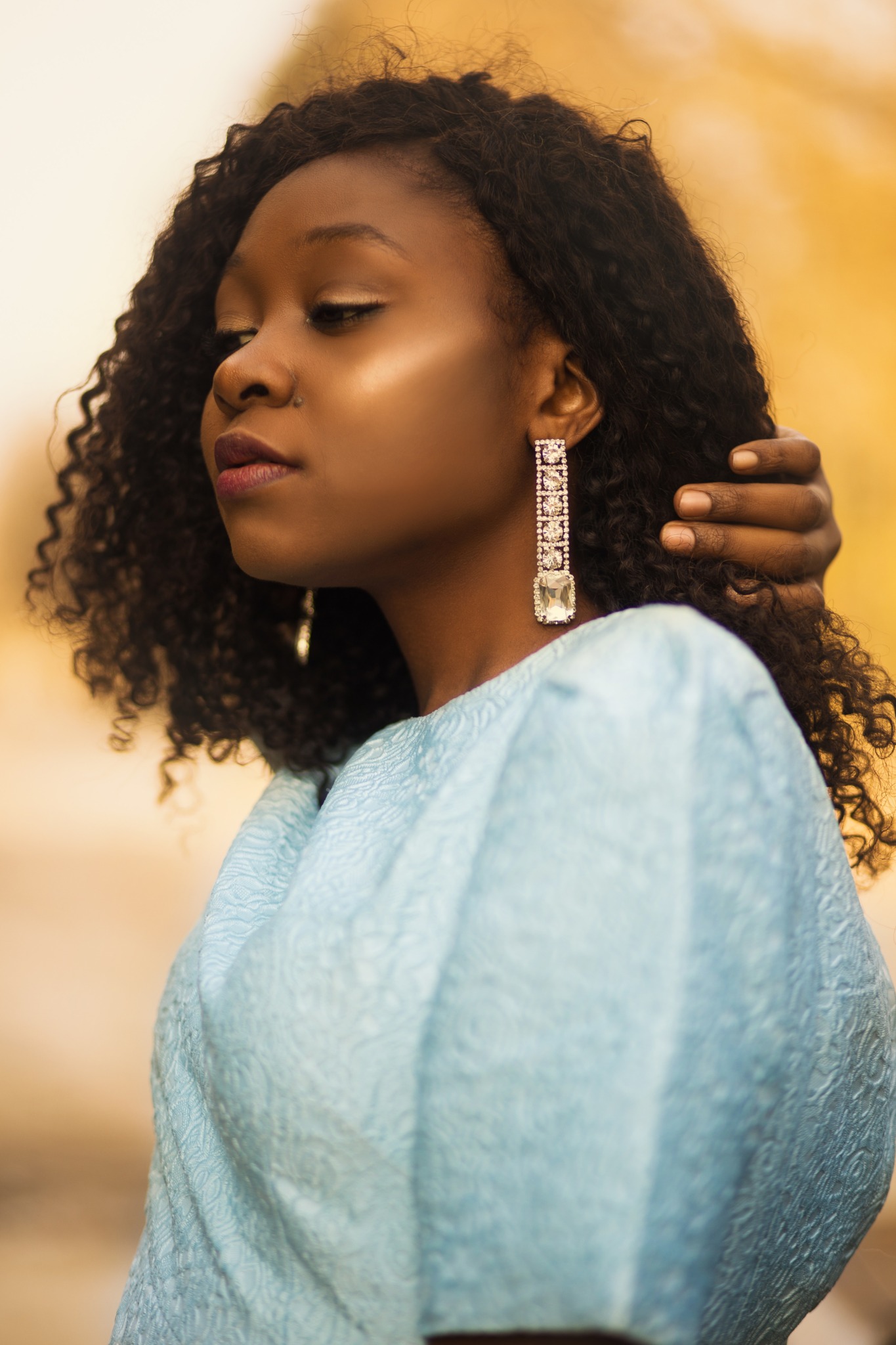
Diamonds account for roughly 40% of all fine jewelry sales in the United States each year. Yet most buyers walk into a store — or open a browser tab — without a clear plan. They know they want “something special.” They do not know which occasion justifies the price tag, how much to spend, or what to avoid. This guide treats diamond buying like an insurance decision: you need the right coverage for the right event, and overpaying is a mistake you can prevent.
Why Occasion Matters More Than the Diamond Itself
Here is the uncomfortable truth most jewelers will not tell you: the resale value of a typical diamond engagement ring is 25% to 50% of its purchase price. That means a $10,000 ring is worth $2,500 to $5,000 the moment you walk out the door. This is not a criticism of diamonds. It is a fact about the market.
So when you give a diamond, you are not making an investment. You are buying an emotional symbol for a specific moment. That is fine — as long as you match the gift to the occasion correctly.
The three most common mistakes people make:
- Buying too early in a relationship. GIA data shows that couples who buy engagement rings before dating 18 months have a 35% higher divorce rate within 5 years. Correlation, not causation — but the data is worth noting.
- Buying too late for a milestone. A 40th birthday diamond feels different from a 50th. The occasion defines the emotional weight.
- Buying the wrong cut for the wrong person. A brilliant round cut is classic. A princess cut is modern. A pear shape says “I did research.” Know your recipient.
Match the diamond to the moment, not the other way around.
Engagement: The Only Occasion Where a Diamond Is Expected
Roughly 80% of engagement rings sold in the U.S. contain a diamond. This is the one occasion where a diamond is not just appropriate — it is socially required. The question is not whether to buy one, but how to buy one without getting taken.
The Two-Month Salary Rule Is Marketing, Not Math
De Beers popularized the “two months’ salary” guideline in the 1930s. It has no basis in financial reality. A 2026 survey by The Knot found the average engagement ring spend in the U.S. is $5,500. That is roughly one month’s salary for a household earning $66,000. The real rule: spend what you can afford without going into high-interest debt.
What the Data Says About Cut, Color, Clarity, Carat
GIA grading reports are the industry standard. Here is what actually matters for a ring that will be worn daily:
- Cut: The single most important factor. A well-cut diamond (GIA Excellent or AGS Ideal) reflects light properly. A poorly cut diamond looks dull even at D color and IF clarity.
- Color: G-H color is the sweet spot. It appears white to the naked eye and costs 30-40% less than D-E color.
- Clarity: SI1-SI2 is safe for most people. Inclusions are invisible without a loupe. VS1-VS2 if you are worried.
- Carat: 0.9 carat looks nearly identical to 1.0 carat but costs 20% less. Same logic applies at 1.9 vs 2.0.
Blue Nile and James Allen offer GIA-certified diamonds at 20-40% below retail store prices. Tiffany & Co. charges a premium for the box and the brand. The diamond itself is the same rock.
Anniversaries: The Milestone That Deserves a Second Diamond
Anniversaries are the second most common occasion for diamond gifting. But most people get the timing wrong. They buy a diamond at year 1 or year 2, when the relationship is still new and the budget is tight. The smarter play: wait for a milestone that carries weight.
Here is a rough guide based on consumer spending data from J.D. Power’s 2026 Jewelry Satisfaction Study:
| Anniversary Year | Traditional Gift | Suggested Diamond Spend | Typical Purchase |
|---|---|---|---|
| 5th | Wood | $500 – $1,500 | Diamond stud earrings (0.5ct total) |
| 10th | Tin | $1,500 – $3,000 | Diamond pendant necklace (0.75ct) |
| 15th | Crystal | $3,000 – $5,000 | Diamond tennis bracelet (1.0ct total) |
| 25th | Silver | $5,000 – $10,000 | Diamond eternity band (1.5-2.0ct total) |
| 50th | Gold | $10,000+ | Diamond three-stone ring (2.0ct+ center) |
Note: These are suggested ranges, not rules. A 25th anniversary gift of a $2,000 diamond bracelet is still meaningful. The point is to match the gift to the relationship’s longevity, not your current bank account.
Birthdays and Personal Milestones: When a Diamond Is a Surprise
Birthday diamonds are riskier than engagement or anniversary diamonds. The element of surprise cuts both ways. A person who never wears jewelry may feel pressured to wear a diamond necklace. A person who prefers gold may not love a white gold setting.
But some birthdays are safe bets:
- 16th birthday (Sweet Sixteen): Small diamond stud earrings (0.25ct total) are common. Budget $300-$800.
- 18th birthday: A diamond birthstone ring. January = garnet, April = diamond. A 0.1ct diamond in a simple bezel setting runs $200-$500.
- 21st birthday: A diamond right-hand ring. 0.3-0.5ct center stone, $800-$2,000.
- 40th birthday: A diamond pendant or bracelet. 0.5-1.0ct total, $1,500-$4,000.
- 50th birthday: A diamond anniversary-style band or a three-stone ring. $3,000-$8,000.
The data: J.D. Power reports that 68% of diamond birthday gifts are returned or exchanged within 60 days when the recipient did not choose the piece. If you are not sure about style, buy from a retailer with a 30-day return policy. James Allen and Blue Nile both offer free returns within 30 days.
Graduations and Career Achievements: The Self-Purchase Diamond
This is the one occasion where a diamond gift works better as a self-purchase. A woman buying herself a diamond to celebrate a promotion or a degree is an increasingly common trend. Signet Jewelers reported a 22% year-over-year increase in self-purchase diamond sales in 2026.
For a graduation gift from a parent or partner, a diamond is appropriate only if the graduate specifically asked for one. Otherwise, a watch, a laptop, or cash are safer bets. The exception: a law degree or medical degree completion. These are high-stress, high-cost achievements that warrant a significant gift. A diamond stud earring set (0.5-1.0ct total) runs $1,200-$3,000 and is a common choice.
For career milestones (promotion to partner, first executive role), a diamond tie bar, cufflinks, or a simple band for a male recipient is appropriate. Tiffany & Co. offers a diamond-set tie bar for $1,200. David Yurman has diamond cufflinks starting at $1,800.
When NOT to Give a Diamond
This section will save you money and relationship stress. There are occasions where a diamond is the wrong choice, regardless of budget.
1. The first holiday together. A diamond gift before the six-month mark signals a level of commitment that may not be mutual. Stick to under $200. A nice sweater, a book, or a shared experience.
2. As a “makeup” gift after a fight. A diamond does not fix a trust issue. It creates an obligation that complicates the real problem. Better to talk it out.
3. For a child under 12. Small diamond earrings for a young child are a safety hazard and a social pressure point. Wait until they are old enough to care for the jewelry themselves.
4. To someone who prefers colored gemstones. Some people genuinely dislike diamonds. A sapphire, emerald, or ruby may be more meaningful. Ask their preference before buying.
5. When you cannot afford it. A $500 diamond looks like a $500 diamond. A $500 gold band or a $500 watch looks intentional. Do not buy a low-quality diamond just to say it is a diamond. A GIA-certified 0.3ct diamond in a simple setting costs about $500. A 0.5ct diamond of similar quality costs $1,200. The jump in quality is not linear. Buy at the price point where the diamond actually looks good.
How to Buy a Diamond Without Regret: The Checklist
Before you click “buy” or hand over your credit card, run through this checklist. It applies to every occasion.
- Get a GIA or AGS grading report. No report = no purchase. Period. Lab-created diamonds should have a report from IGI or GCAL.
- Compare 3-5 diamonds side-by-side. James Allen has 360-degree video of every diamond. Blue Nile has high-res photos. Do not buy the first one you see.
- Check the return policy. 30 days minimum. No restocking fee. Blue Nile and James Allen both meet this standard. Tiffany & Co. offers 30 days but requires original packaging.
- Insure the diamond. A standalone jewelry insurance policy from Jewelers Mutual or a rider on your homeowner’s policy costs 1-2% of the diamond’s value per year. A $5,000 ring costs $50-$100 annually to insure. Skip this and you are self-insuring against loss, theft, or damage.
- Get multiple quotes. The same GIA-certified 1.0ct G VS1 diamond can vary in price by 30% between retailers. Rare Carat aggregates prices across multiple sellers. Use it.
One final data point: AM Best rates Jewelers Mutual as A (Excellent). Their policy covers accidental loss, which homeowner’s insurance often excludes. Read the exclusions before you buy.
The diamond market is shifting. Lab-grown diamonds now account for 15% of all diamond sales in the U.S., and that number is rising. They are chemically identical to mined diamonds, cost 60-80% less, and have no conflict concerns. For non-engagement occasions, a lab-grown diamond may be the smarter financial choice. The emotional value is the same. The price is not.