

Why does a set of matching sleepwear often cost more than the high-thread-count sheets you are sleeping on? It is a question that surfaces every time a luxury brand releases a silk chemise or a brushed-cashmere lounge set with a triple-digit price tag. While the allure of high-end textiles is undeniable, the reality of the textile market suggests that the law of diminishing returns hits sleepwear faster than almost any other category in fashion. You do not need to spend $150 to achieve a comfortable night’s sleep. In fact, the $30 threshold is where engineering and economy meet most effectively. At this price point, manufacturers can afford decent-quality natural fibers or high-performance synthetics without the extreme markups associated with lifestyle branding.
Finding the right balance requires looking past the floral prints and focusing on the mechanical properties of the fabric. A pajama set is more than just a costume for the bedroom; it is a functional tool designed to manage body temperature, wick moisture, and minimize skin irritation during seven to nine hours of unconscious movement. When we analyze the best pajamas under $30, we are looking for garments that maintain their structural integrity through dozens of wash cycles while providing a tactile experience that facilitates rest rather than hindering it.
What materials provide the best comfort in pajamas under $30?
The performance of any sleepwear set is dictated almost entirely by its fiber composition and knit structure. In the sub-$30 market, you will primarily encounter three categories: cotton, rayon derivatives (like modal or viscose), and polyester blends. Each carries a specific set of trade-offs regarding thermal regulation and durability. Cotton remains the industry standard for a reason. It is a cellulose fiber that is naturally breathable, allowing air to circulate close to the skin. However, not all cotton is created equal. At this price point, you are rarely getting long-staple Pima cotton. Instead, you are likely looking at standard upland cotton, which can feel slightly crisp or even scratchy if the weave is too tight. To counter this, many budget brands use a jersey knit, which provides the necessary stretch for tossing and turning.
Rayon and its more sophisticated cousin, modal, have become dominant in the budget sleepwear space. These are semi-synthetic fibers made from wood pulp. Modal, in particular, is prized for its incredible softness and drape, often mimicking the feel of silk at a fraction of the cost. It is also more absorbent than cotton, which is a double-edged sword. While it can pull sweat away from the body, it takes longer to dry, which might leave you feeling damp if you are a heavy night sweater. Furthermore, modal is notorious for pilling. When you buy a $25 modal set from a mass-market retailer, you are trading long-term aesthetic perfection for immediate, cloud-like comfort.
Polyester is the third player, often appearing in fleece or “satin” pajamas. While modern polyester can be engineered to be quite soft, it is inherently non-breathable. If you find a $20 set of “satin” pajamas, they are almost certainly 100% polyester. They will look glossy in photos, but they can act like a plastic bag, trapping heat and moisture. For those who live in colder climates, a polyester fleece can be a cozy, affordable option, but for year-round use, a cotton or modal blend is almost always the superior technical choice.
Comparing Fabric Properties for Budget Sleepwear
| Fabric Type | Breathability | Softness | Durability | Best For |
|---|---|---|---|---|
| Cotton Jersey | High | Medium | High | Year-round comfort |
| Modal/Viscose | Medium | Extremely High | Medium | Sensitive skin |
| Cotton Poplin | Very High | Low (Crisp) | Very High | Hot sleepers |
| Polyester Satin | Low | High (Slippery) | Medium | Aesthetics/Photos |
Which brands offer the most durable budget sleepwear sets?
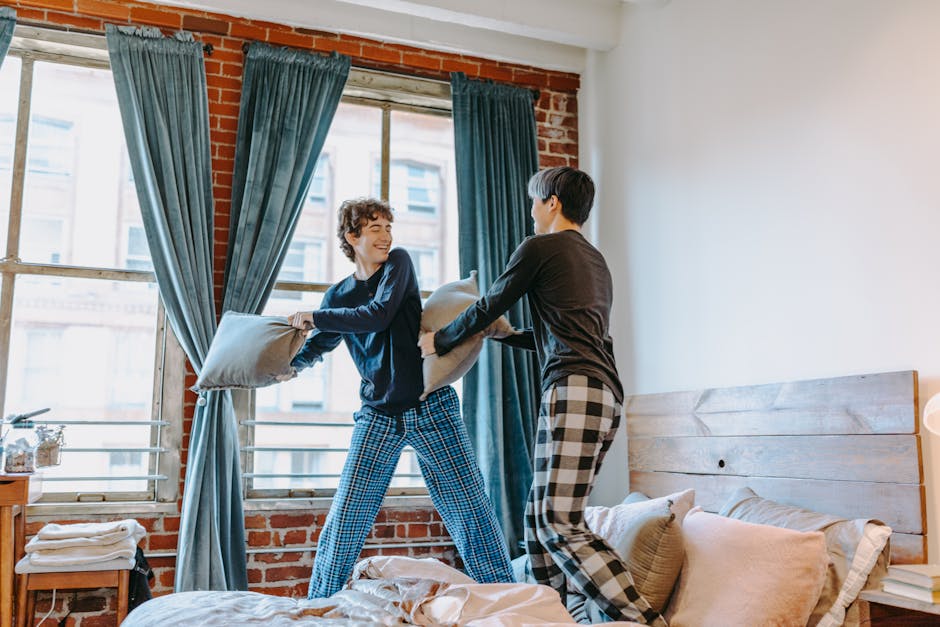
Identifying the best pajamas under $30 requires looking at retailers that leverage massive supply chains to keep costs down. Brands like Old Navy, Target, and Amazon Essentials have mastered the art of the “loss leader” or high-volume garment. These companies can negotiate fabric prices that smaller boutiques simply cannot touch, allowing them to put $40 worth of quality into a $25 product. For instance, Target’s “Stars Above” line has gained a cult following specifically for its use of a modal-spandex blend that rivals much more expensive brands like Eberjey. The stitching is usually standard overlock, which is durable enough for regular wear, though you may see some loose threads over time.
Old Navy takes a different approach with their “Sunday Sleep” collection. They often focus on different textures, such as rib-knits or lightweight sweatshirts. Their strength lies in size inclusivity and the variety of cuts, from oversized tunics to fitted joggers. When shopping these brands, the savvy consumer should look for “separates.” Often, a top and bottom purchased individually will stay under the $30 total but allow for better sizing—such as a medium top with large bottoms—which significantly improves sleep quality. Retailers like Marks & Spencer, often available through international shipping or local hubs, provide a more traditional European approach to sleepwear, focusing on high-quality cotton separates that frequently fall into the budget category during seasonal shifts.
Amazon Essentials is the utilitarian choice. Their designs are rarely trend-forward, but they focus on consistency. A 100% cotton set from Amazon Essentials will likely be thicker and more rugged than a fashion-focused set from a trendier retailer. They use a heavier gram-per-square-meter (GSM) fabric, which feels more substantial and tends to shrink less in the dryer. If your priority is a garment that will look exactly the same after twenty washes as it did on day one, these basic, high-volume manufacturers are often the safest bet for staying under budget.
Top Product Recommendations Under $30
- Stars Above Beautifully Soft Pajama Set: Typically priced at $25. Pro: Exceptional softness and high-end drape. Con: Fabric tends to pill in high-friction areas like the inner thighs.
- Old Navy Sunday Sleep Modal-Blend Set: Often found for $22-$28 on sale. Pro: Excellent stretch and modern, relaxed silhouettes. Con: The elastic waistband can sometimes roll inside the fabric casing.
- Amazon Essentials Lightweight Cotton Pajama Set: Priced around $24. Pro: Breathable 100% cotton that gets softer with every wash. Con: The styling is very basic and may feel “boxy” to some.
- H&M Cotton Shirt and Shorts Set: Usually $29.99. Pro: Very stylish, crisp poplin feel that is great for summer. Con: Zero stretch, which can be restrictive for active sleepers.
How to identify high-quality construction in inexpensive pajamas?
Price is a signal, but it is not a guarantee. To find the best pajamas under $30, you must develop an eye for construction details that suggest a garment will last. Start by examining the seams. Turn the pajamas inside out. Are the seams finished with a clean overlock stitch, or are there long, fraying threads? In budget garments, manufacturers often speed up the sewing process, which leads to skipped stitches. A skipped stitch is a ticking time bomb; once it catches on a toenail or a piece of jewelry, the entire seam can unravel. Look for a high stitch density—more stitches per inch generally indicates a more durable garment.
The waistband is another critical failure point. In the sub-$30 category, you will encounter two types: tunneled elastic and sewn-in elastic. Tunneled elastic is simply a rubber band threaded through a fabric tube. It is cheaper to produce but prone to twisting and flipping. Sewn-in elastic is stitched directly to the fabric. While this makes the waistband less adjustable, it ensures the elastic stays flat against your skin. Furthermore, check the drawstring. Is it a functional cord that goes all the way around the waist, or is it a decorative bow sewn onto the front? A functional drawstring is a hallmark of a better-engineered pajama bottom, as it allows you to customize the fit as the elastic inevitably loses its tension over the years.
Small details, like reinforced buttonholes and back-neck tape (a strip of fabric covering the seam at the back of the neck), are indicators that a brand hasn’t cut every possible corner to meet a low price point.
Finally, consider the weight of the fabric. Hold the garment up to the light. If you can see the distinct grid of the weave clearly, the fabric is likely low-density and will prone to tearing or losing its shape. A higher-quality budget pajama will have a tighter knit or weave. This density provides “recovery”—the ability of the fabric to return to its original shape after being stretched. Without good recovery, your pajamas will end up with “baggy knees” and a saggy seat within a few hours of wear, which is both uncomfortable and aesthetically unappealing.
Maximizing the lifespan of affordable sleepwear
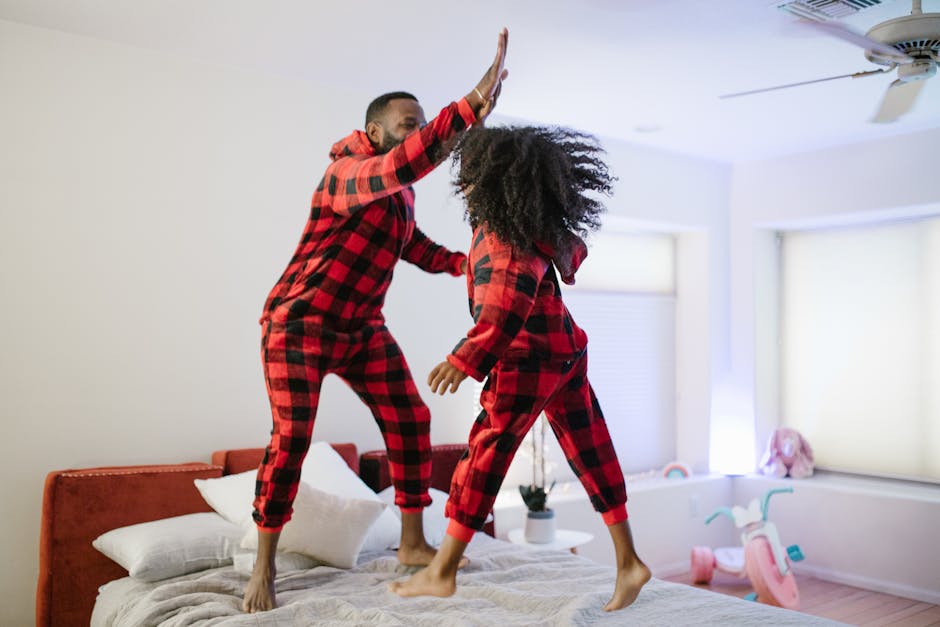

The secret to making a $25 set of pajamas feel and last like a $100 set lies in the maintenance. Budget fabrics, particularly those with high rayon or modal content, are sensitive to heat and agitation. The mechanical stress of a heavy-duty wash cycle can snap the delicate fibers, leading to the fuzzy texture known as pilling. To preserve the “hand-feel” of your sleepwear, you should always wash them inside out. This ensures that the friction of the wash cycle happens on the interior of the garment rather than the visible exterior. Using a mesh laundry bag is an even better strategy, as it prevents sleeves and pant legs from getting tangled and stretched around the agitator.
Temperature is the enemy of budget elastic and synthetic blends. High heat in the dryer will cause the elastane (spandex) fibers to become brittle and break, leading to a loss of stretch. If you notice tiny white “hairs” sticking out of your pajama seams, that is the elastic disintegrating. To avoid this, air drying is ideal, but if you must use a dryer, stick to the lowest heat setting. Furthermore, avoid fabric softeners on modal or moisture-wicking pajamas. Softeners work by coating fibers in a thin layer of wax or silicone, which can clog the pores of the fabric, reducing its breathability and making it feel “slimy” over time.
Rotating your sleepwear is also a practical necessity for longevity. If you wear the same set every night and wash it twice a week, it will likely degrade within six months. By having a rotation of three to four sets, you allow the fibers to recover their shape between wears and reduce the frequency of laundering. When you calculate the cost-per-wear, spending $90 on four sets of high-quality budget pajamas is often a smarter long-term investment than spending $90 on a single luxury set that you are afraid to wash. The goal is a sustainable cycle of comfort that does not require a significant financial outlay or constant replacement.
Maintenance Checklist for Budget Pajamas
- Wash inside out: Minimizes surface pilling and protects prints or colors.
- Use cold water: Prevents shrinking and preserves the integrity of modal fibers.
- Skip the fabric softener: Maintains the natural breathability of cotton and rayon.
- Low heat or line dry: Protects the elastic waistband from becoming brittle.
- Inspect seams monthly: Trim loose threads early to prevent major unraveling.
Ultimately, the best pajamas under $30 are those that disappear. You shouldn’t be thinking about a scratchy tag, a tight waistband, or a sweltering fabric in the middle of the night. By prioritizing fabric composition over brand names and paying attention to the small details of construction, you can curate a sleepwear collection that supports your rest without straining your budget. The market in 2024 is more competitive than ever, and for the discerning shopper, that means high-quality sleep is more accessible than it has ever been.