
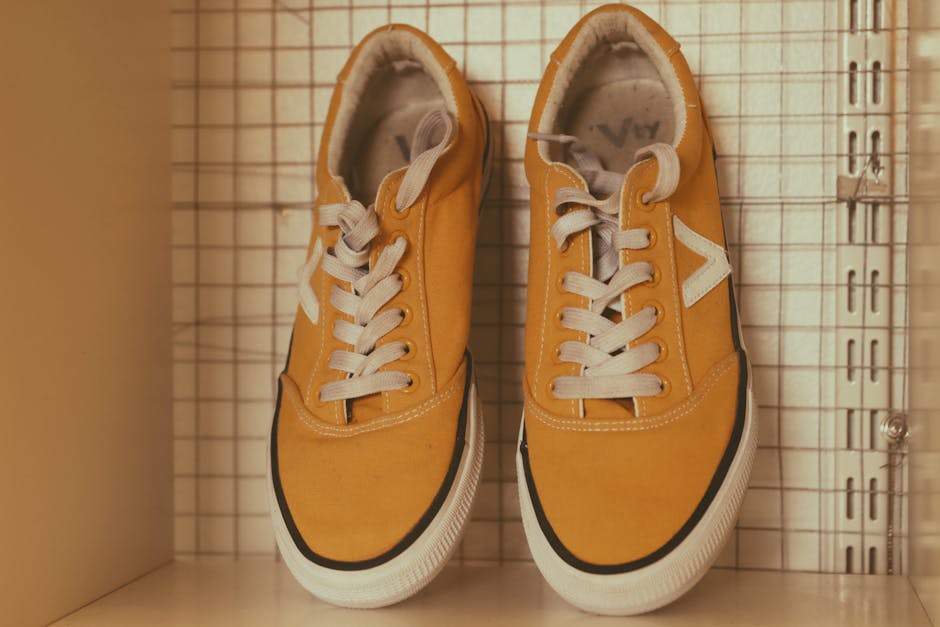
There is a persistent myth in the mountain biking world that the best XC shoes for MTB are the ones that feel the most like a block of concrete strapped to your feet. We’ve all seen the marketing: stiffness indices of 12, 13, or 14, promising that every single watt of your effort is being funneled directly into the drivetrain with zero loss. After a decade of racing cross-country and spending way too much money on footwear, I can tell you that stiffness is only half the story. If your feet are screaming in pain forty minutes into a two-hour race, it doesn’t matter how stiff your soles are; your power output will drop because your brain is focused on the burning sensation in your arches rather than the climb ahead.
Choosing the right cross-country shoe is actually an exercise in finding the perfect intersection of fashion, ergonomics, and mechanical efficiency. These shoes are the sleekest, most aerodynamic pieces of kit in the mountain bike world, often borrowing heavily from their road-cycling cousins but adding just enough tread to make a frantic hike-a-bike section possible. When you’re looking at the top-tier options, you aren’t just buying a tool; you’re buying a piece of high-performance apparel that needs to withstand mud, grit, and high-torque efforts while looking sharp on the podium. In my experience, the transition from a mid-range nylon shoe to a high-end carbon model is one of the most noticeable upgrades you can make, provided you don’t sacrifice fit for the sake of a brand name.
What to Look for When Selecting High-Performance XC Mountain Bike Shoes
The first thing you need to evaluate is the closure system. While laces have seen a bit of a fashion-forward resurgence lately, the BOA fit system remains the gold standard for a reason. In a race scenario, your feet will swell as blood flow increases and the temperature rises. Being able to reach down and micro-adjust the tension with a quick click—without stopping—is invaluable. I prefer dual-dial systems. Having one dial for the upper ankle and another for the midfoot allows you to lock your heel down while leaving your toes enough room to breathe. It’s a nuance that cheaper, single-dial shoes often miss, leading to the dreaded “numb toe” syndrome during long climbs.
Understanding Sole Stiffness and Material Composition
Carbon fiber is the material of choice for the best XC shoes for MTB because of its incredible strength-to-weight ratio. However, not all carbon soles are created equal. Some brands, like Specialized and Shimano, use a full-length carbon plate that is incredibly rigid. This is great for sprinting but can be punishing on rough, chattery terrain. Other manufacturers are starting to incorporate a small amount of engineered flex in the toe area to make walking slightly more natural. If you find yourself frequently dismounting to clear obstacles, look for a shoe with a bit of rubberized grip over the carbon. There is nothing more embarrassing—or dangerous—than slipping on a wet rock because your expensive carbon soles have zero traction.
The Importance of Internal Volume and Last Shape
Fashion often dictates a narrow, sleek silhouette, but your foot might have other plans. The “last” is the plastic mold the shoe is built around, and every brand has a different philosophy. Italian brands like Sidi tend to run narrow and low-volume, which is great if you have a slender foot but a nightmare if you need a wide toe box. On the other hand, brands like Lake and certain Shimano wide versions are designed for riders who need more horizontal space. When you’re trying these on, don’t just stand there. Mimic the pedaling motion. If you feel any pressure on the sides of your pinky toe, that pressure will be magnified tenfold after two hours on the trail. Comfort is the ultimate performance metric.
A shoe that fits perfectly at the beginning of a ride might feel like a torture device two hours later. Always look for a bit of extra room in the toe box to accommodate natural foot swelling during intense efforts.
A Comparative Review of the Best XC Shoes for MTB Racing and Training
When we look at the current market, a few models consistently rise to the top for their blend of technical prowess and aesthetic appeal. These are the shoes you’ll see on the feet of World Cup pros and serious amateurs alike. They represent a significant investment—often ranging from $250 to over $450—but the durability and performance benefits usually justify the cost over several seasons of use. You can often find these high-end models through major retail networks like those partnered with Awin, which is helpful for securing seasonal discounts or loyalty points.
Shimano XC9 (S-Phyre) – The Professional Choice
The Shimano XC9, currently in its third generation, is widely considered one of the most balanced shoes on the market. It features a surround-wrapping upper that eliminates the traditional tongue, reducing pressure points across the top of the foot. The dual BOA Li2 dials provide precise adjustment, and the Michelin rubber outsole offers surprisingly good grip for such a race-focused shoe. At approximately $450, it is a premium product, but the build quality is exceptional.
- Pros: Excellent heel hold, highly adjustable fit, very low stack height for better power transfer.
- Cons: The fit is quite specific; even the wide version may feel narrow to some, and the price is at the top of the scale.
Specialized S-Works Recon – The Stiffness King
If you want the stiffest shoe possible, the S-Works Recon is the answer. Specialized uses their Fact Powerline carbon plate, which is effectively a 13 on their stiffness scale. What sets this shoe apart from a fashion perspective is the use of Dyneema fabric in the upper. It’s a non-stretch material used in parachutes, meaning the shoe won’t bag out over time. It maintains its shape and support for years. Expect to pay around $450 for these as well.
- Pros: Unrivaled power transfer, incredibly lightweight, very durable upper materials.
- Cons: The sole is so stiff it can be uncomfortable for long days of casual trail riding; the heel cup is very aggressive.
Giro Empire VR90 – The Modern Classic
For those who prefer a more traditional aesthetic, the Giro Empire VR90 uses a lace-up design that looks stunning and offers a highly customizable fit. Laces allow you to adjust tension at seven different points along the foot, which dials can’t quite match. However, you lose the ability to adjust them while riding. These usually retail for around $300, making them a slightly more accessible high-end option.
- Pros: Timeless style, extremely comfortable once dialed in, lightweight Easton EC90 carbon sole.
- Cons: No on-the-fly adjustment, laces can get muddy and difficult to untie after a wet ride.
Comparison Table: Leading XC MTB Shoes
| Model | Approx. Price | Closure System | Sole Material | Best For |
|---|---|---|---|---|
| Shimano XC9 | $450 | Dual BOA Li2 | Carbon Composite | Elite Racing |
| S-Works Recon | $450 | Dual BOA S3 | FACT Carbon | Pure Power Transfer |
| Giro Empire VR90 | $300 | Laces | Easton EC90 Carbon | Style & Custom Fit |
| Lake MX238 | $330 | Dual BOA Push/Pull | Lake Competition Carbon | Wide Feet / Durability |
It’s also worth mentioning the Lake MX238. While Lake might not have the same massive marketing budget as Specialized or Shimano, they are a cult favorite among experienced riders. They use real Helcor leather, which is incredibly resistant to scuffs and scratches. If you’re the type of rider who tends to kick rocks or hike through thorny brush, the MX238 will likely outlast any of the synthetic options on this list. It’s a bit heavier, but the comfort and longevity are hard to beat.
Maximizing the Lifespan and Aesthetics of Your Cross-Country Cycling Gear
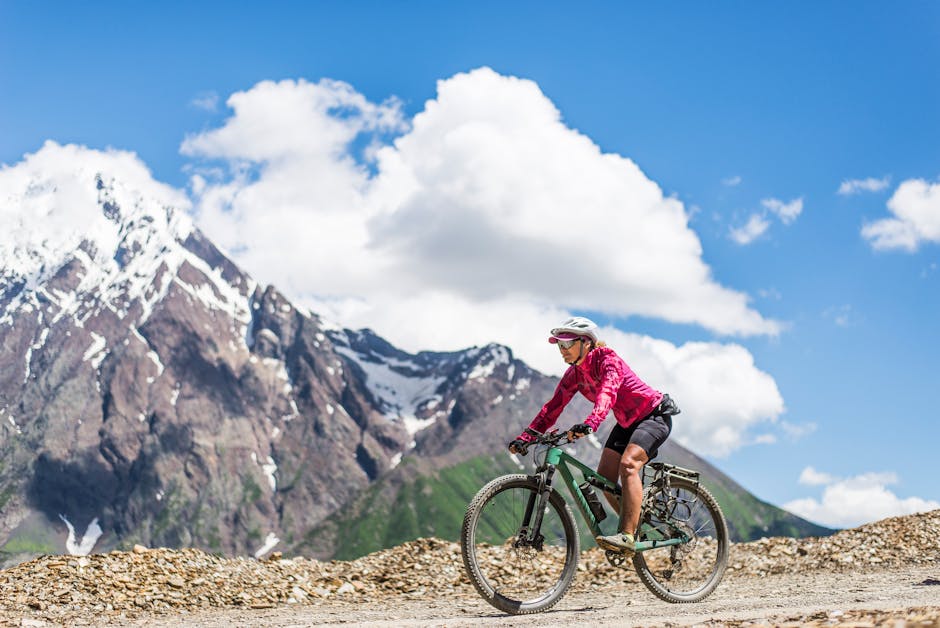
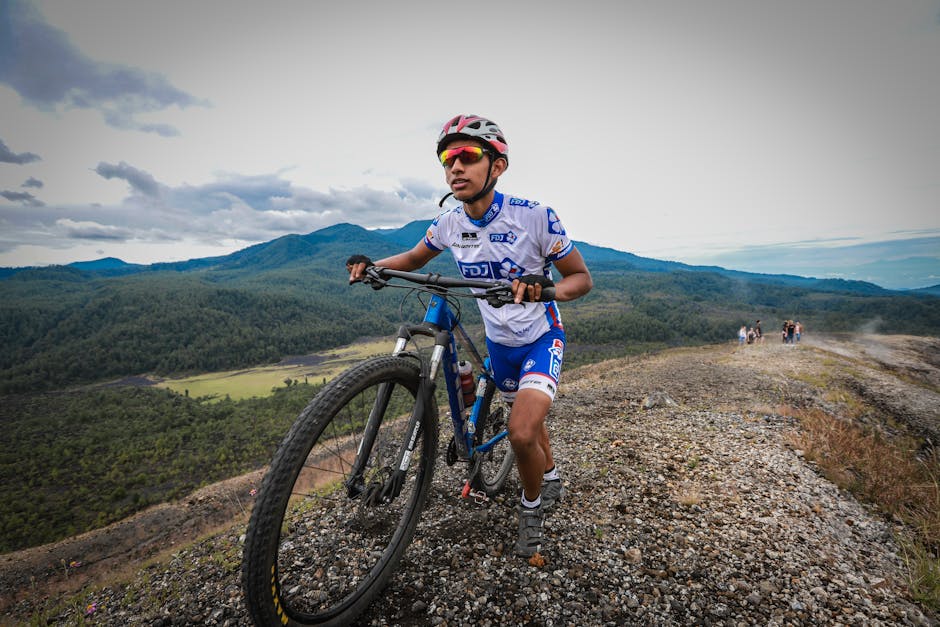
High-end XC shoes are an investment in your riding experience, and like any fine piece of fashion or equipment, they require maintenance to perform their best. I’ve seen $400 shoes ruined in a single season because the owner didn’t take ten minutes to clean them after a muddy ride. The grit from the trail acts like sandpaper on the BOA dials and the synthetic fabrics of the upper. If you leave mud to dry on your shoes, it pulls moisture out of the materials, leading to premature cracking and stiffness.
Cleaning and Maintenance Steps for Longevity
- Rinse immediately: After a muddy ride, use a low-pressure hose to knock off the heavy stuff. Never use a power washer; it can force grit into the BOA mechanisms and bearings.
- Soft brush scrub: Use a soft-bristled brush and a mild soap (dish soap works fine) to clean the upper. Pay special attention to the areas where the shoe flexes.
- Dry naturally: Remove the insoles and stuff the shoes with newspaper. This absorbs moisture from the inside. Avoid placing them near a heater or in direct sunlight, as high heat can deform the carbon sole or the adhesives used in the construction.
- Check the cleats: XC cleats (usually SPD) wear down over time. If you find it’s getting harder to clip out, or if there is too much “float,” it’s time to replace the cleats. A worn cleat can damage the carbon sole of the shoe.
One aspect often overlooked in the world of XC shoes is the replaceable parts. High-end models from Sidi and Shimano often feature replaceable heel pads or even sections of the tread. Before you buy, check if the brand sells replacement kits. Being able to spend $20 on new rubber lugs rather than $400 on a new pair of shoes is a massive win for your wallet. This is where the “fashion” of cycling meets practical longevity—keeping your gear looking and performing like new for multiple seasons.
Finally, let’s talk about the fashion element. In the XC world, there is a certain “pro look” that involves matching your shoes to your kit or your bike. While white shoes are the ultimate style statement, they are notoriously difficult to keep clean in the dirt. If you aren’t prepared to scrub them after every ride, a matte black or a dark grey is much more practical. However, if you’re lining up for a race, there’s something psychologically powerful about looking down and seeing a pair of pristine, high-performance shoes. It’s a signal to yourself that you’re ready to perform. Whether you’re buying through a high-end boutique or a large retailer via an Awin affiliate link, ensure that the return policy is solid. You need to be able to walk around your living room in these for at least thirty minutes before committing to them. If they don’t feel right in your house, they certainly won’t feel right at the top of a grueling climb.
Ultimately, the best XC shoes for MTB are the ones you forget you’re wearing. When the fit is perfect, the stiffness is appropriate for your riding style, and the closure system is reliable, the shoe becomes a seamless extension of your body. You stop thinking about your feet and start thinking about the trail. That is the point where the investment pays off—not just in seconds saved on a lap, but in the pure enjoyment of the ride.