
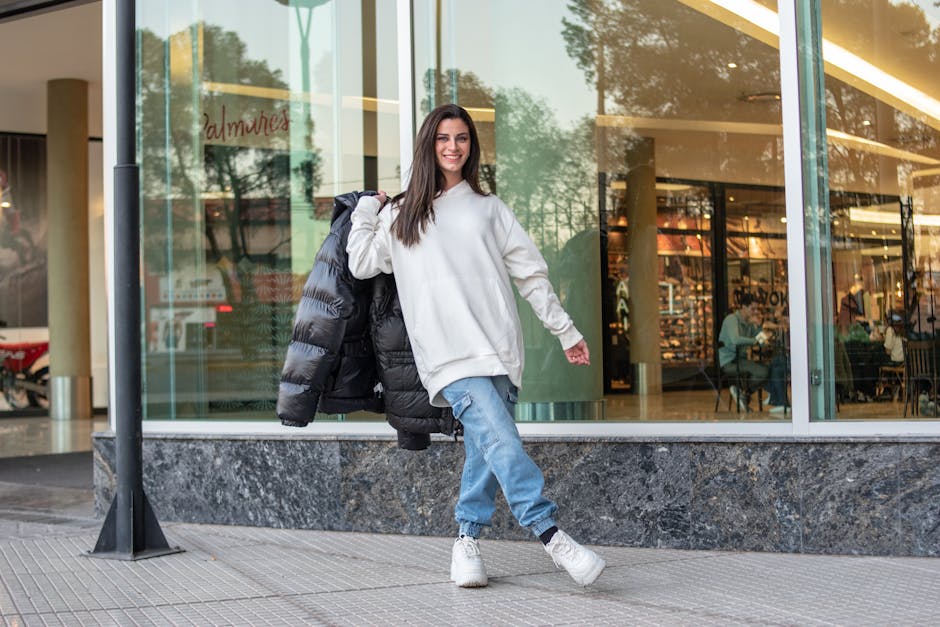
I remember standing on a subway platform in Chicago three years ago, the wind whipping off the lake with a cruelty that felt personal. I was wearing what I thought was a decent winter coat—a stylish, mid-range wool blend. Within five minutes, I couldn’t feel my ears. Within ten, my core temperature had plummeted. That was the day I stopped buying jackets based on how they looked on a mannequin and started obsessing over who is actually the best down jacket designer in terms of real-world survival. There is a massive difference between a jacket that looks puffy and a jacket that actually traps heat. Since then, I have tested, returned, and lived in pieces from almost every major player in the luxury and technical space. If you are about to drop four figures on a coat, you need to know if you’re paying for the logo or the loft.
What makes a down jacket designer the best for extreme cold?
When we talk about the best down jacket designer, we aren’t just talking about aesthetics. We are talking about engineering. The most critical metric I have learned to look for is Fill Power (FP). You will see numbers like 600, 700, or 800+ stamped on sleeves or hidden in inner tags. This isn’t just a random rating; it measures the volume that one ounce of down occupies. High fill power means the down is loftier, trapping more air and providing more warmth for less weight. A designer like Arc’teryx often uses 850-fill European grey goose down, which is why their jackets feel like wearing a warm cloud, whereas a fashion-first brand might use 600-fill duck down, which requires a much bulkier jacket to achieve the same warmth.
Construction also matters immensely. Most cheaper jackets use “stitch-through” construction, where the outer fabric is sewn directly to the inner lining to create pockets for the down. This is fine for mild winters, but it creates “cold spots” at every seam where there is zero insulation. The best designers, such as Canada Goose in their heavier parkas, use “box wall” construction. This involves sewing small fabric strips between the layers to create three-dimensional cubes. It allows the down to fully loft and eliminates those freezing leak points. If you’re looking for a serious investment, check the seams. If they look flat, you’re going to feel the breeze.
Key Technical Specifications to Compare
| Feature | Budget/Fashion Grade | High-End Designer Grade |
|---|---|---|
| Fill Power | 450 – 600 | 750 – 900+ |
| Down Type | Duck Down / Synthetic Blends | Goose Down (RDS Certified) |
| Construction | Stitch-through | Box-wall Baffles |
| Shell Fabric | Basic Polyester | Gore-Tex or Pertex Quantum |
Comparing luxury vs technical down jacket designers
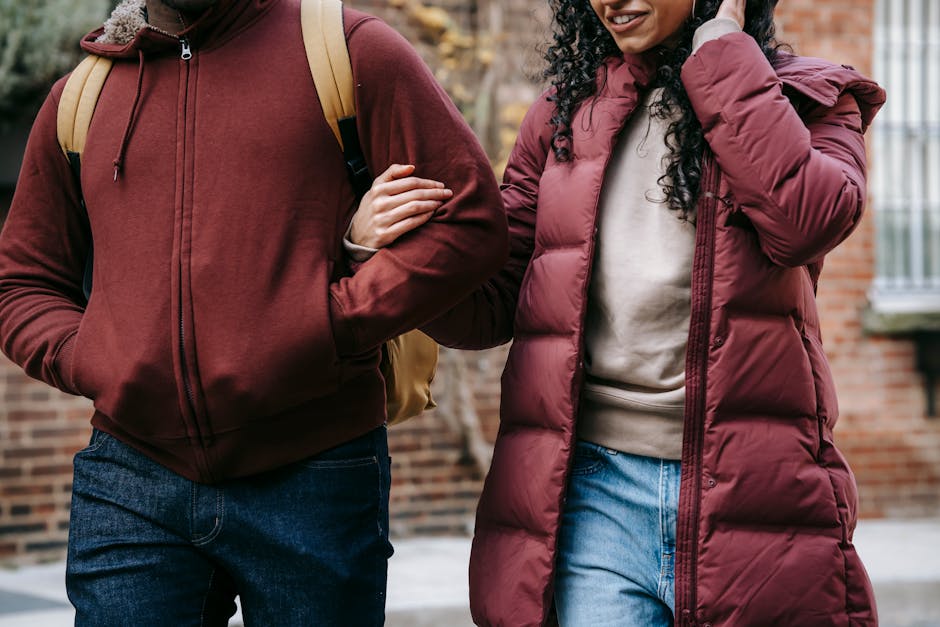
The eternal debate in my wardrobe has always been Moncler vs. Arc’teryx. These two represent the opposite ends of the high-end spectrum. Moncler is the undisputed king of the “Apra-Ski” aesthetic. Their jackets, like the iconic Maya (approx. $1,650 at retailers like Mytheresa or Farfetch), use a signature laqué nylon that shines like a sports car. It is undeniably a status symbol. In my experience, the Maya is plenty warm for a European city winter, but the outer fabric is delicate. I once brushed against a brick wall and felt my heart stop, fearing a snag. It’s a designer piece meant for the sidewalk, not the summit.
On the other hand, you have Arc’teryx. Their Cerium Hoody (approx. $400) is a masterpiece of technical design. They use “Down Composite Mapping,” placing synthetic insulation in areas prone to moisture (like the shoulders and armpits) and high-loft down in the core. It’s not as “flashy” as a Moncler, but it’s arguably more functional. If you want to look like you just stepped off a private jet in Gstaad, Moncler wins. If you want to actually stay warm while moving through a blizzard without weighing yourself down, the technical designers have the edge. I find that for most people, the middle ground—brands like Stone Island—offers a mix of garment-dyed innovation and respectable warmth, though you are still paying a significant premium for the compass badge on the arm.
Moncler Maya vs. Arc’teryx Cerium
- Moncler Maya: High-shine finish, 750+ fill power, heavy-duty zippers. Pro: Holds its resale value incredibly well. Con: Shell is prone to scratches and tears.
- Arc’teryx Cerium: Matte finish, 850-fill power, extremely packable. Pro: Incredible warmth-to-weight ratio. Con: The slim fit can make layering difficult if you don’t size up.
The best designer down jackets for urban commuting and style
For those of us who aren’t climbing mountains but are dealing with the “wind tunnel” effect of downtown skyscrapers, Canada Goose remains the heavyweight champion. Their Langford Parka (approx. $1,450) is ubiquitous for a reason. It uses their proprietary Arctic Tech fabric, which stays bone-dry even in sleet. I’ve worn mine in -20°C weather with just a t-shirt underneath and felt perfectly fine. However, the downside is the weight. It’s a heavy coat. If you spend most of your time on a crowded train, you might find yourself overheating within minutes. This is where a designer like Mackage comes in.
Mackage has become my go-to recommendation for people who want a tailored silhouette without sacrificing the warmth of a parka. Their Edward or Dixon models (ranging from $1,000 to $1,300 at retailers like END. Clothing) feature a distinctive double-collar system. You can zip up the inner bib for extra chest protection while leaving the outer jacket open for a more relaxed look. It feels more “fashion-forward” than the rugged, utilitarian vibe of Canada Goose. The leather trim and fur (or faux-fur) accents give it a level of polish that looks right at home over a suit or high-end knitwear. Something I’ve noticed with Mackage is that they tend to run very slim, so if you have broader shoulders, I’d suggest sizing up or you’ll feel like you’re in a straitjacket.
“A down jacket is an investment in your comfort. Don’t let a flashy logo distract you from checking the ‘Thermal Experience Index’ or the fill weight. The best designer is the one that keeps you warm when the temperature actually drops.”
Sustainable and ethical down jacket brands to watch
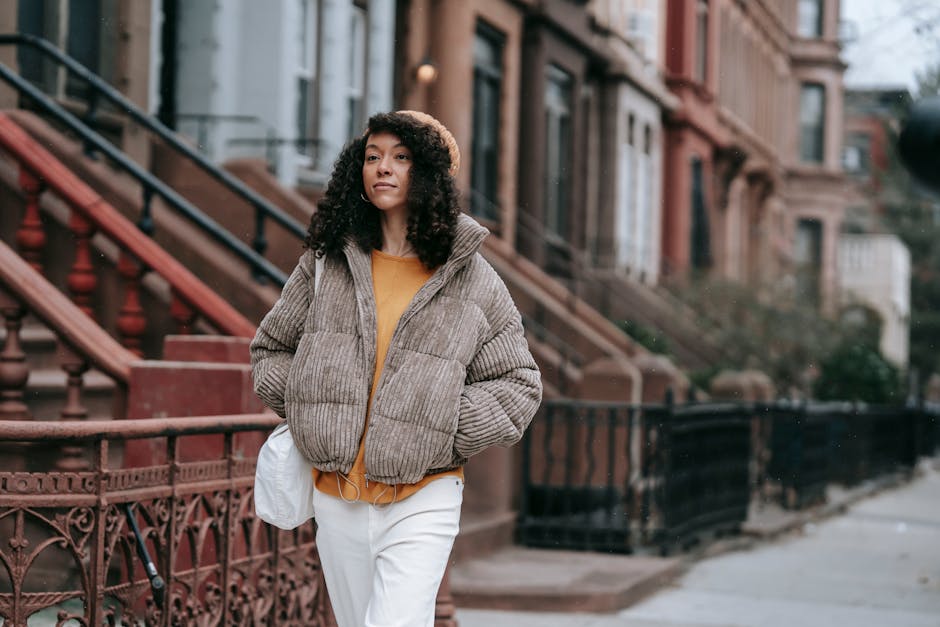
The ethics of down production have improved significantly over the last decade, but you still need to be careful. The “Best” designer should also be the most responsible. Patagonia paved the way with their Traceable Down Standard, ensuring that the feathers are never plucked from live birds. Their Fitz Roy Down Hoody (approx. $450) is a staple for a reason. It uses 800-fill-power Advanced Global Traceable Down and a recycled nylon shell. It feels good to wear, not just because it’s warm, but because you know the supply chain wasn’t a nightmare.
Another brand I’ve been impressed with lately is Arket (part of the H&M group but much higher quality). They have leaned heavily into recycled down, which repurposes feathers from old bedding and apparel. Their 2-in-1 series allows you to detach layers, making it a more versatile purchase for fluctuating spring and autumn temperatures. If you are strictly vegan, Save The Duck has made massive strides in synthetic “Plumtech” technology. While it doesn’t quite have the same compression capabilities as natural down, it’s virtually indistinguishable in terms of warmth for everyday city use. In my testing, synthetic down also performs better if you get caught in a downpour, as natural down loses its insulating properties when it gets soaked through.
How to evaluate down quality before you buy
Before you tap your card at the register, there are three things I always do to check the quality of a designer down jacket. First, the compression test. Squeeze a handful of the jacket as tight as you can, then let go. A high-quality down jacket from a top designer should spring back to its original shape almost instantly. If it stays flat or takes a long time to loft back up, the down is either low-quality or has been compromised by moisture or age. This is a quick way to tell if that “sale” item is actually a bargain or just old stock that’s been crushed in a warehouse for three years.
Second, check the neck and cuff seals. Heat escapes from the openings. The best designers include “draft gaskets”—elasticated inner cuffs and plush collars—that seal the warm air inside. If the sleeves are wide open, you’ll lose 30% of your warmth regardless of how high the fill power is. Third, look at the Durable Water Repellent (DWR) coating. Water is the enemy of down. Most high-end jackets from brands like Stone Island or Fjällräven treat their outer shells so that water beads off. If you’re in a store, you can’t exactly pour a bottle of water on the coat, but you can feel the texture. A slightly waxy or crisp feel usually indicates a high-quality DWR treatment that will protect the down inside from clumping.
The Pre-Purchase Checklist
- Check the tag for RDS: Ensure the down is ethically sourced via the Responsible Down Standard.
- Feel the baffles: Are there empty spots? Move the down around with your fingers to ensure even distribution.
- Test the zippers: Designer jackets should use YKK or Lampo zippers. If they snag in the store, they will fail in the cold.
- Weight check: A high-fill-power jacket should feel surprisingly light for its size.
Maintenance and care: Keeping your designer down jacket for a decade
One of the biggest mistakes I see people make is taking their $1,000 down jacket to a standard dry cleaner. The harsh chemicals used in dry cleaning can strip the natural oils from the down feathers, making them brittle and causing them to lose their loft. I learned this the hard way with an old North Face jacket that came back looking like a flat pancake. Most top-tier designers actually recommend home washing with a specific down detergent, like Nikwax Down Wash Direct. You use a front-loading machine on a delicate cycle, and then the most important part: the dryer.
You have to tumble dry a down jacket on low heat for several hours with three or four clean tennis balls. The balls bounce around and break up the clumps of wet down, restoring the loft. It’s a nerve-wracking process the first time you do it—watching your expensive Moncler spin around in a machine—but it’s the only way to maintain the insulation. Also, never store your jacket compressed in a small bag during the summer. Hang it up in a cool, dry place. If you keep the down compressed for six months, the feathers will eventually break, and you’ll find that your “best down jacket” isn’t nearly as warm the following winter. Treat it like a piece of high-performance equipment, and it will easily last you ten to fifteen years, making that high initial price tag much easier to swallow when you calculate the cost-per-wear.
Ultimately, the best down jacket designer for you depends on your climate and your lifestyle. If you’re navigating the streets of Manhattan or London, a Mackage or Canada Goose offers the perfect blend of armor-like protection and style. If you’re an minimalist who values weight and technical specs, Arc’teryx is the gold standard. For me, the investment has always been worth it. There is a specific kind of confidence that comes from knowing that no matter how hard the wind blows, you are perfectly, comfortably warm.