
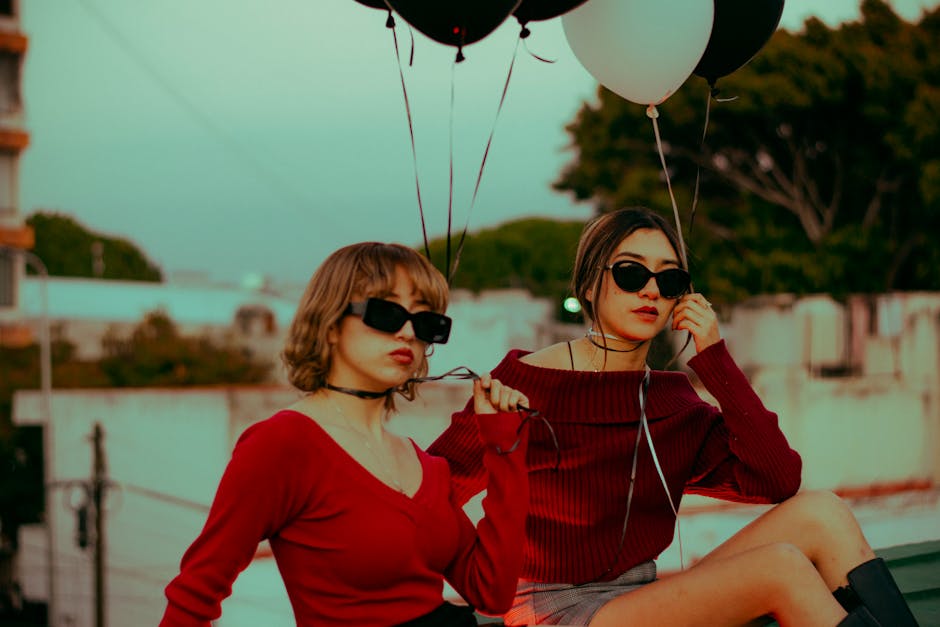
Crowd heat is a documented phenomenon. A packed festival field under direct sun runs 12–18°F hotter than the surrounding air temperature. Black pavement, tens of thousands of bodies, and zero shade stack on top of each other — and if you dressed for the weather forecast rather than the actual conditions, you feel it by 1pm.
Most festival outfit guides are built around aesthetics. This one is built around what actually survives a full day in heat, starting with the decision that matters most before you pick any specific piece.
The Fabric Decision Is 80% of the Battle
Natural fibers versus synthetics: the core difference
Cotton, linen, and rayon breathe. Polyester doesn’t. That’s the entire rule. If you’re in a mesh polyester top because it looks ventilated, you’re trapping heat inside a micro-tent against your skin. The mesh holes don’t move air — they just look like they should.
Linen is the actual winner for hot-weather festivals. A 100% linen shirt or co-ord in 95°F heat is genuinely cooler than a thin cotton T-shirt at 80°F. The fiber structure wicks moisture and releases it fast. Zara’s linen blend co-ord set (around $59 for both pieces) is a reliable pick — the fabric weight is light without being sheer. H&M’s linen range runs slightly heavier but holds up better through a full day of movement and minor spills.
Rayon (also listed as viscose on garment tags) sits in the middle. It breathes, but it absorbs sweat and clings once wet. Fine for dry-heat festivals like Coachella or Stagecoach. Worse for humid events like Glastonbury, Bonnaroo, or anything on the Gulf Coast where sweat doesn’t evaporate fast.
Why color matters more than fabric weight
Black absorbs heat. White reflects it. This is not an opinion — it’s physics. A white linen set in direct sun stays roughly 10°F cooler at the surface than the same garment in black. Pale neutrals, sage green, cream, dusty rose — all good. Deep navy, burgundy, forest green — fine in shade, actively uncomfortable standing in direct sun for six hours.
The slimming argument for black doesn’t survive contact with a 90°F field. For outer layers specifically, go light in color. Black works fine for footwear and small accessories where surface area is limited.
The marketing problem with festival-specific fabrics
A lot of what gets labeled “festival wear” — crochet sets, fringe bodysuits, cut-out co-ords — is made from synthetic blends specifically because they hold their shape and photograph cleanly. The Shein and Fashion Nova end of the market is almost entirely polyester-spandex. Looks fine in a photo taken at 11am. Feels like wearing a plastic bag by 3pm.
The test: read the label. If it says 100% polyester on anything that isn’t a rain layer or a performance piece, put it back. If it says polyester-spandex blend on a bodysuit you’re planning to wear for 10 hours straight, same answer. The fiber content matters more than the price point or the packaging.
8 Festival Outfits That Work in Heat: Ranked and Compared
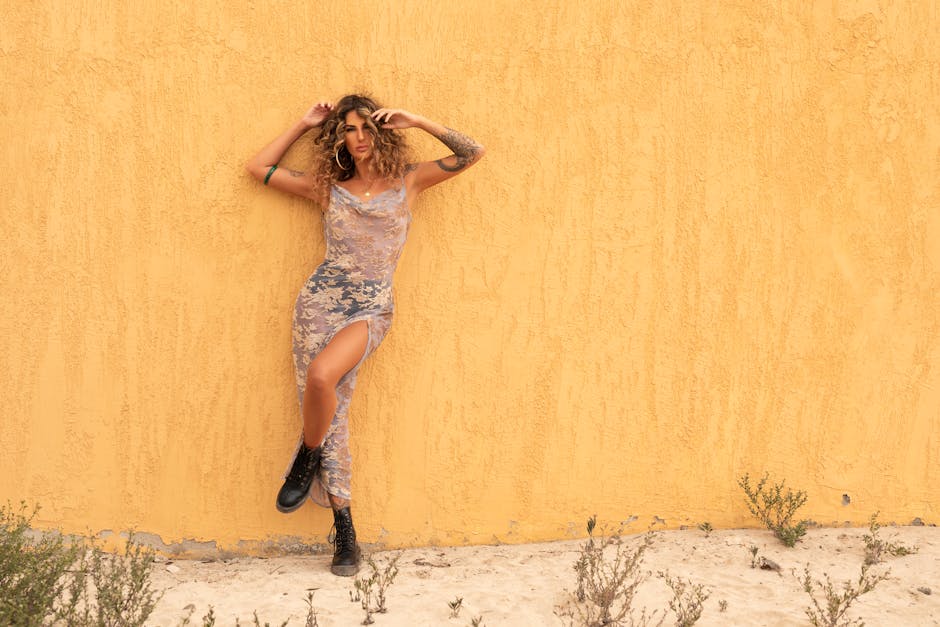
These are specific builds, not general categories. Each has been considered for a full-day festival environment — crowd navigation, temperature variation from afternoon to evening, uneven ground, and how the look actually holds up past hour five.
1. Linen co-ord set + Birkenstock Arizona
Zara’s linen shorts and matching loose shirt in off-white or sage runs about $59 total. Add Birkenstock Arizona sandals ($130). This is the highest comfort-to-style ratio on this list. You’ll look intentional. You won’t be fighting your outfit.
2. Lined crochet mini dress + low sneakers
Free People makes a solid version — the Intimately FP crochet mini around $128. The key word is lined. Unlined crochet is essentially a mesh net against your skin, which sounds ventilated but creates its own heat pocket. Lined crochet breathes through the outer texture while the lining gives coverage. White or cream only — dark crochet cancels the ventilation benefit entirely.
3. Levi’s 501 cutoffs + cotton bralette + open linen shirt
The standard for a reason. Levi’s 501 cutoffs in a light wash ($70–80) sit well and don’t ride up during long periods of standing. Denim breathes more than most people expect. A simple cotton bralette underneath a loose linen shirt worn open handles temperature variation — unbutton in afternoon heat, close it for evening. This is the most adaptable build on the list.
Practical tip: Carry a small spray bottle with water. Misting your neck and wrists every hour drops perceived temperature faster than most clothing choices.
4. Flowy midi skirt + ribbed cotton tank
A silky or lightweight midi skirt in pale linen or cotton creates airflow around the legs — essentially air conditioning for your lower half. ASOS has decent options in the $30–45 range. Pair with a fitted ribbed cotton tank, not a polyester crop. The contrast in fit (relaxed skirt, fitted top) works visually and allows ventilation where it matters most.
5. Linen shorts and oversized button-down matching set
Urban Outfitters BDG linen shorts (~$44) with a matching loose button-down works across most body types. The oversized top provides shade over the shoulders — practically free sun protection without adding perceived warmth. Size up on the shirt. The oversized silhouette is both the look and the function.
6. Princess Polly mini dress + block heel mule
Princess Polly specializes in short, lightweight mini dresses around $55–75 cut for warm-weather events. The block heel mule (not a stiletto, not a flat) adds height while keeping footing stable on uneven festival ground. Steve Madden’s CARRSON mule (~$100) is a good match — wide enough that grass doesn’t make you wobble, low enough that you’re not exhausted by hour three.
Practical tip: Whatever shoes you choose, wear them for at least two full weeks before the festival. New sandals at hour six of day one are a specific and avoidable category of suffering.
7. Open-knit cotton shorts + simple tube top
The most ventilated bottom option on this list. An open-knit cotton short from Urban Outfitters or ASOS ($35–50) combined with a basic cotton tube top maximizes airflow on the lower half. This is a daytime look — it has limited evening flexibility without an added layer, so pack a light overshirt if you’re staying past sunset.
8. Vintage satin slip dress + lightweight flannel (unbuttoned)
A 90s-style slip dress from a vintage store or Depop ($20–40) stays light against skin throughout the day. A loose cotton or lightweight flannel worn open or tied at the waist adds evening coverage without adding heat. This is the only outfit on the list that genuinely improves as the day cools.
Practical tip: Plan your outfit by temperature zone, not just by aesthetics. What works at 2pm in direct sun is often too little for a breezy evening set. Pack one removable layer regardless of the forecast.
| Outfit | Heat Rating (1=coolest) | Ground Stability | Day-to-Night | Approx. Cost |
|---|---|---|---|---|
| Linen co-ord + Birkenstock Arizona | 1 | Excellent | Strong | $190 |
| 501 cutoffs + bralette + linen shirt | 2 | Good | Strong | $95–120 |
| Midi skirt + ribbed cotton tank | 2 | Good | Moderate | $55–75 |
| Lined crochet mini dress + sneakers | 2 | Moderate | Moderate | $130–160 |
| Linen matching set (shorts + shirt) | 1 | Excellent | Strong | $70–90 |
| Princess Polly mini dress + block heel | 3 | Moderate | Strong | $155–175 |
| Knit shorts + tube top | 1 | Good | Weak | $45–65 |
| Slip dress + lightweight flannel | 3 | Moderate | Excellent | $40–80 |
Three Mistakes That Will Ruin Your Outfit by Afternoon
Wearing black in direct sun for six hours. Buying festival-specific boots without breaking them in. Trusting the word “breathable” on any synthetic garment tag.
Hunter rain boots photograph beautifully and are painful by hour four in dry heat. Platform boots belong at covered stages or evening sets — not outdoor afternoon sun on uneven grass. The ground stability risk is real: platform soles on soft or wet ground create ankle-roll risk that flat footwear doesn’t. If the temperature is above 75°F and the ground is dry, a sandal or well-worn sneaker beats boots every time, without exception.
Accessories: Three Questions Worth Answering Before You Pack
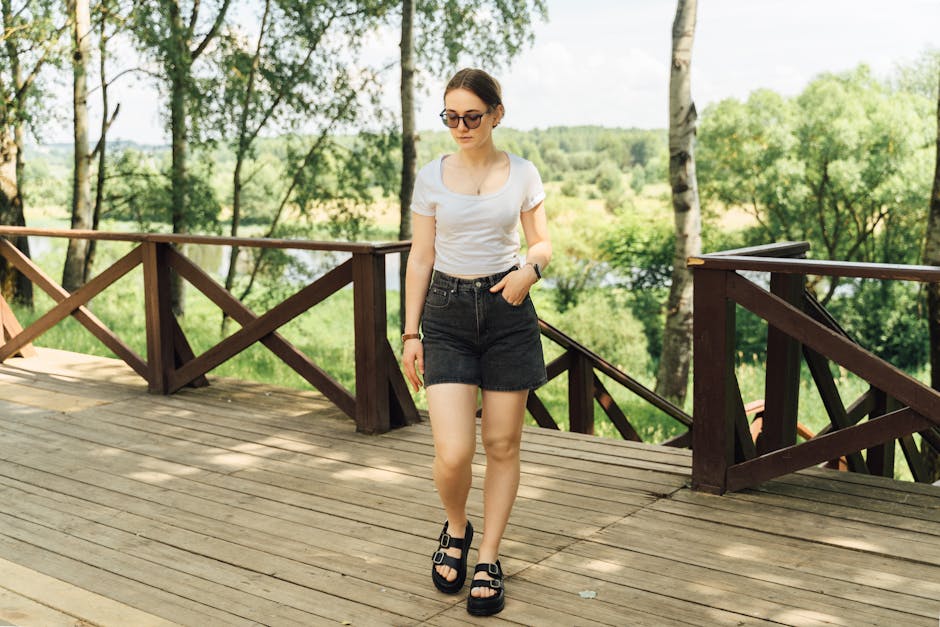
Do hats actually help or do they trap heat?
Depends entirely on the style. Wide-brim straw hats — Lack of Color’s Wave fedora runs $80–100, Brixton has similar options in the $50–70 range — ventilate while blocking direct sun on your face, neck, and shoulders. Baseball caps keep sun off your face but trap head heat underneath the crown. Bucket hats sit in the middle: decent side coverage, moderate airflow.
A wide-brim straw hat is one of the most genuinely useful things you can bring to a hot outdoor festival. It creates personal shade wherever you go and requires zero maintenance throughout the day.
What bag actually works in a festival crowd?
Crossbody bags under 20cm wide. Small fanny packs worn front-facing. Nothing larger. A big tote becomes a crowd navigation problem, and a full backpack creates a heat trap against your spine while making you twice as wide in dense sections.
The Fjällräven Kånken Mini ($80) is small enough to not be a burden but holds phone, wallet, sunscreen, and a light layer. One important detail: many major US festivals require clear bags — Coachella, Lollapalooza, and Governor’s Ball all have this policy. A clear PVC crossbody is available for under $15. Check the festival bag policy before buying anything else.
Is metal jewelry a problem in heat?
Yes. Metal heats up fast in direct sun. A chunky metal choker against your neck at 90°F becomes noticeably warm within 20 minutes of being outside. Resin, acrylic, and wood pieces stay cool regardless of temperature. Keep chunky metal jewelry minimal during afternoon hours or save it entirely for evening when the sun is down.
Building a Complete Festival Outfit Under $80
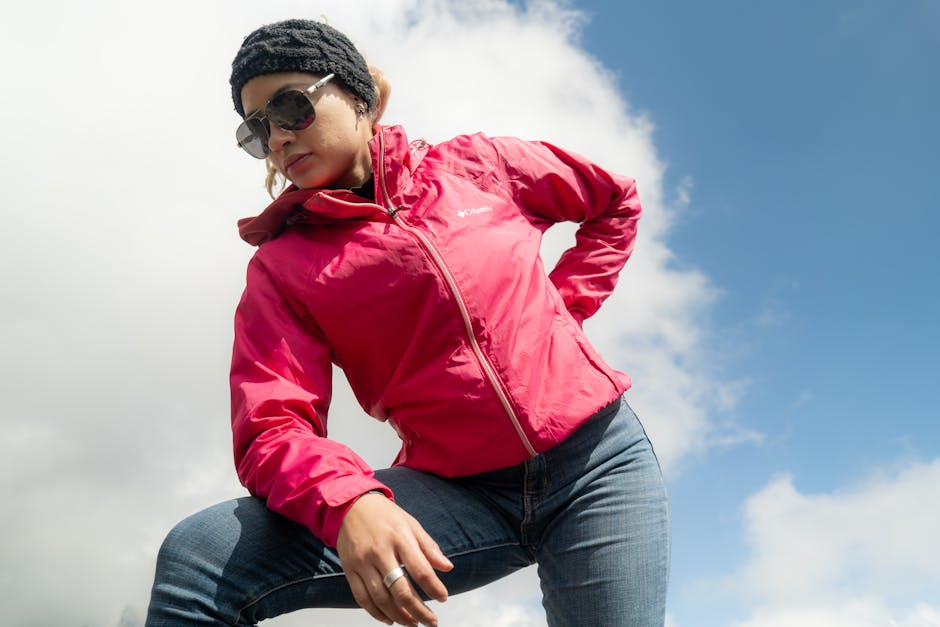
Most festival outfit roundups assume a $200+ budget. Here’s a complete build that handles heat correctly for under $80:
- H&M linen shorts — $25. Light wash or natural linen. These have functional pockets, which reduces your bag burden significantly.
- H&M or Primark cotton crop top — $12–15. Avoid synthetic options at this price point. Primark’s cotton basics are cheap and genuinely breathable. Skip anything labeled “stretch fabric” or “performance material” — that’s polyester.
- Target Universal Thread flat sandal — $22–28. Flat, stable, and broken-in from day one. Not glamorous, but functional at hour eight when your feet are reporting on decisions you made at 10am.
- Thrifted oversized linen shirt — $8–12. Any charity shop or a Depop search for “oversized linen shirt” produces dozens of options. Wear it open over the outfit or tie it at the waist for variation as the day shifts.
- Small canvas crossbody bag — $12–15. ASOS, Amazon, or any fast-fashion retailer. Clear versions for $12 if your festival requires it.
Total: approximately $79–$95. Extend the budget by $130 and swap the Target sandal for a Birkenstock Arizona — a sandal that outlasts the festival by several years.
The pattern that consistently holds: cheap natural-fiber basics outperform expensive synthetic festival wear built specifically for this occasion. A $25 H&M linen short breathes better in afternoon sun than a $55 polyester crochet piece from a brand that marketed it specifically for festival season. The fiber content matters more than the price tag or the branding.
The right festival outfit is the one you forget you’re wearing — that’s when you know you got it right.