
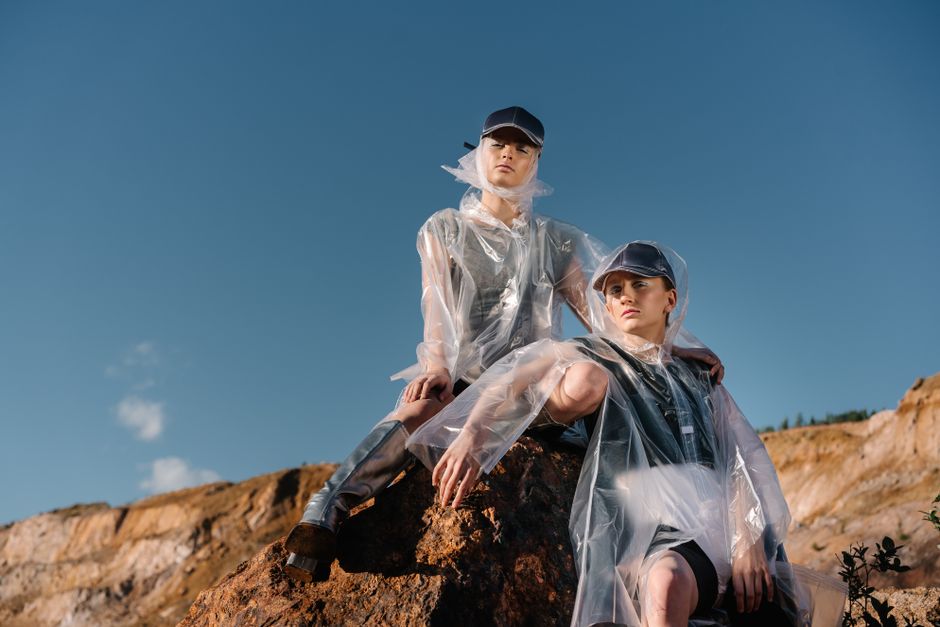
You leave the office in a sharp blazer, walk three blocks, and watch the April forecast become a personal attack. Your coat starts flapping at the back, the hood crushes your hair, and rainwater runs straight from the shoulders into your sleeves. The surprising part is that a rain coat can repel water perfectly at the fabric and still soak you through its seams, pockets, or zipper.
After years of walking through wet commutes, gallery districts, train platforms, and weekend markets, I have learned that a good city rain coat has two jobs. It must keep water out, but it also has to hold a clean shape when you are dry. The best April rain coats do not look like camping gear. They have a controlled shoulder line, enough room for a sweater, and a hem that moves without turning into a cape.
What makes a rain coat look tailored on a city walk?
Start with the line, not the fabric label
A tailored rain coat begins with proportion. Look for a shoulder seam that sits close to your actual shoulder, a sleeve that ends at the wrist bone, and a hem that lands between mid-thigh and just below the knee. That length covers a blazer without making your legs look short. A drawcord at the waist can help, but a coat should still look balanced when the cord is loose.
The front closure matters more than many shoppers expect. A concealed zipper creates a cleaner vertical line than oversized snaps, while a two-way zipper lets you sit on a train without the hem bunching across your lap. Avoid very wide storm flaps unless the rest of the coat is narrow. Too much fabric around the chest makes the coat look boxy before you even add a sweater.
Why waterproof construction changes the silhouette
Waterproof clothing needs places for water to stop. That means taped seams, protected zippers, and pockets that do not open directly toward the sky. Those details can add bulk, so good design hides them inside the coat rather than placing them across the front.
For city walks, I prefer a smooth matte surface, a firm collar, and a hood that folds or rolls away. Shiny plastic looks cheap under streetlights and shows every crease. A soft matte finish works with denim, tailored trousers, loafers, and sneakers. Choose a coat with enough room for a thin knit, but do not size up twice for layering. Excess volume around the back is the fastest way to lose the tailored effect.
Which tailored rain coats handle April weather best?
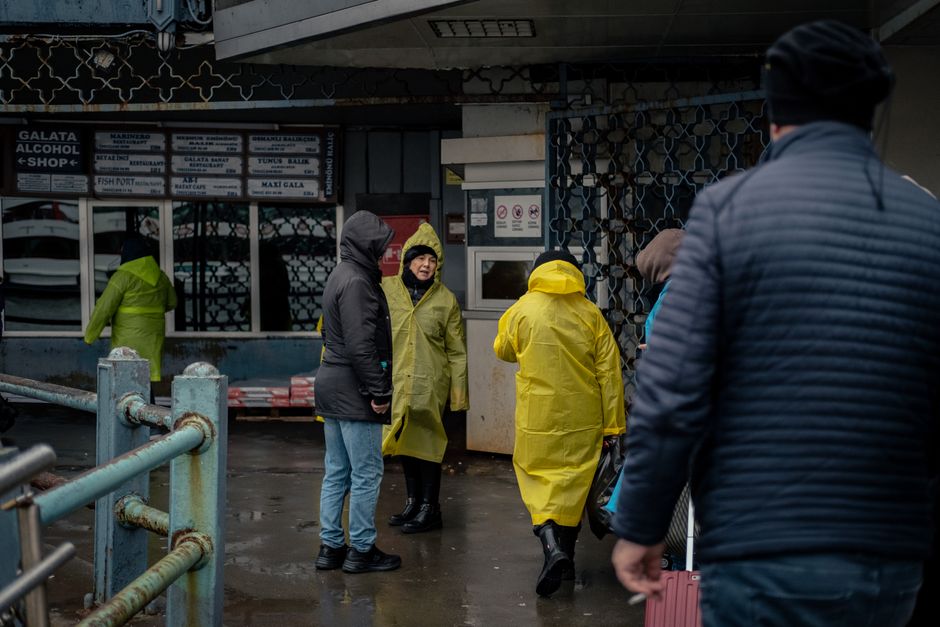
The short list by price and construction
These are guide prices for spring 2026 and can shift with color, country, and seasonal discounts. My clear winner for most city walkers is the Rains Long Jacket because it gives you the strongest balance of clean shape, useful length, and everyday price.
My verdict on the tradeoffs
The Rains Long Jacket is the best choice for a polished wardrobe on a sensible budget. It has a straighter line than most technical shells and enough length to cover a jacket. The Stutterheim Stockholm looks more substantial and handles wind well, but the coated cotton feels heavier and warmer. Choose it when structure matters more than packability.
The Uniqlo Blocktech Parka wins on price, but its lighter build reads more casual and gives less confidence in a long downpour. The Lululemon Rain Rebel is the most comfortable for a fast-paced walk because of its ventilation, yet its sporty details make it harder to style with office tailoring. The Helly Hansen Seven J offers strong wet-weather protection, though its outdoor roots show in the hood and hardware. For a city-first wardrobe, Rains wins.
My clear pick is the Rains Long Jacket, with one important exception
For a polished daily commute
When I would choose something else
How to fit and style a rain coat without losing its shape
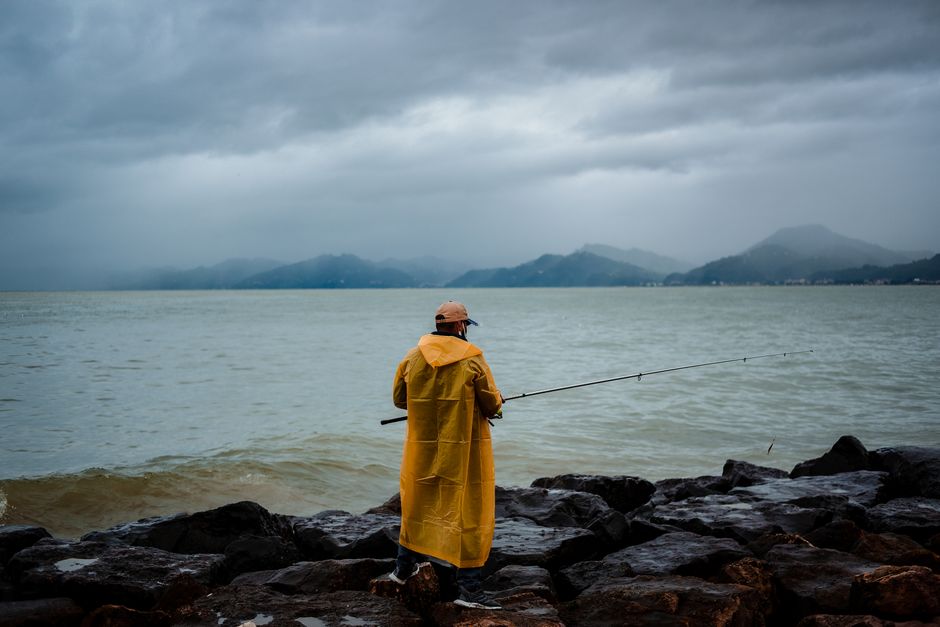
The five-minute fitting check
- Put on the thickest layer you will realistically wear in April, usually a shirt and fine knit rather than a heavy sweater.
- Zip the coat fully and reach forward as if you are holding a subway pole. The back should stretch slightly but should not pull across the shoulders.
- Raise both arms. If the hem jumps more than a few inches, the armholes are too tight or the coat is too short for walking.
- Check the sleeve opening over your watch or cuff. You want coverage at the wrist without a wide funnel that lets rain run inside.
- Look at the side view. The coat should skim your body, not cling to your stomach and not form a large bubble behind you.
- Walk, sit, and turn before removing the tags. A coat that looks elegant while standing can become restrictive on stairs or trains.
Common mistakes that make good coats look cheap
- Do not buy a coat two sizes too large just to fit a blazer. Pick a cut designed for layering instead.
- Do not leave the hood permanently folded into a bulky collar. If you rarely use it, choose a low-profile hood or a removable one.
- Do not pair a long shiny shell with equally technical trousers and running shoes unless you want a full outdoor look. Balance it with straight-leg denim, wool trousers, or simple leather sneakers.
- Do not ignore the pocket placement. Low pockets pull the coat downward when full, while chest pockets can interrupt a clean front line.
- Do not treat water resistance as waterproofing. A finish can bead up rain for a while and still fail at the zipper or seam after sustained exposure.
The simplest styling rule is to let the coat provide the structure. Keep the outfit underneath quiet: one texture, one clean shoe, and no competing oversized layer. That is how a rain coat keeps its tailored look while you move.
Are tailored rain coats worth buying for April?
What if the forecast changes every hour?
Buy the Rains Long Jacket if you want one coat that can stay by the front door and work with most of your wardrobe. It is long enough for sudden showers, neat enough for an office, and inexpensive enough that you will not panic when it gets splashed with street water. If you need to carry the coat in a small bag, choose the Uniqlo Blocktech Parka instead, but accept the more casual shape and lower confidence in heavy rain.
What if I want the coat to last for years?
Choose the Stutterheim Stockholm when you value a firmer, more substantial feel and do not mind extra weight. Its coated construction gives it a distinctive shape, but it needs more careful storage than a lightweight shell because folded creases can become part of the look. For most people, the Rains Long Jacket remains the smarter buy: keep it hanging, wipe off city grime with a damp cloth, and let it dry fully before closing it in a wardrobe.
The goal is not to look dressed for a storm. It is to leave the office in a coat that protects your clothes, keeps its line through a wet walk, and still looks intentional when the clouds break. That is the small victory an April rain coat should deliver: the same sharp blazer, the same dry sleeves, and no frantic dash for shelter three blocks later.