

The best March transitional jacket is a lightweight layer that blocks wind, handles a short shower, and leaves enough room for a knit underneath. A structured jacket can still work with boots, but it should not look too heavy when you change into sneakers after lunch. My clear winner for unstable March weather is a breathable shell with a clean shape; waxed cotton, denim, and ultra-light nylon each win in narrower situations.
Which March Jacket Works With Both Boots and Sneakers?
March is not one weather problem. It is a morning chill, a wet sidewalk, a bright commute, and an unexpectedly warm afternoon packed into one day. The jacket needs to bridge those changes without making the outfit look like winter or gym wear.
Bottom Line: Choose the Rains Jacket if rain protection and easy sneaker styling matter most. The Patagonia Houdini is the most practical backup layer, but its thin fabric will not replace a warm jacket. Levi’s wins on casual style and price, but it is the wrong choice for a wet forecast.
Pick the Layer That Matches the Temperature Swing

Buy for the afternoon, then add warmth underneath. A March jacket should usually be a shell or light midweight layer, not a heavily insulated coat, because indoor heating and midday sun turn bulky outerwear into dead weight. The most reliable setup is a breathable outer layer over a cotton tee or fine merino sweater, with a scarf available for the first hour of the day; that combination lets you move from ankle boots to low-top sneakers without changing the jacket’s proportions or making the outfit look seasonally confused.
Look for a jacket that ends around the high hip or upper thigh, has sleeves long enough to cover the wrist bone, and leaves roughly 2 to 3 inches of room over your thickest planned layer. A hood helps during a shower, but a stiff hood can ruin the line of a blazer or collared shirt. My verdict is simple: for most March wardrobes, a clean, lightly structured shell beats a fashion-only jacket because it solves wind and rain while staying visually quiet.
The only exception is a consistently dry climate, where denim or waxed cotton can add more useful texture than another technical layer. In that case, comfort and outfit range matter more than waterproof ratings.
Why March Layers Fail Before the Weather Does
What problem is the jacket actually solving?
The first principle is simple: a transitional jacket manages heat, wind, and light moisture. It does not need to perform like a winter parka, and it does not need to act like a full rain suit. People often buy the wrong layer because they judge a jacket indoors, under warm shop lighting, instead of thinking about the first ten minutes outside. A coat that feels comfortable over a thin top may pull across the shoulders when worn over a sweater. A jacket that looks sleek with boots may feel oversized with canvas sneakers. The useful question is not whether the item looks versatile on a hanger; it is whether its weight, length, and volume match the temperature swing.
How do you test the fit before keeping it?
Wear the jacket over the exact middle layer you expect to use in March. Zip or button it completely. Reach forward as if you are holding a train pole, raise both arms, and sit down. The back should not ride up more than a few inches, the cuffs should cover the wrist bone, and the collar should lie flat when the jacket is open. Check the hem against both footwear options. A longer jacket can balance chunky boots, while a shorter hem usually works better with slim sneakers; the goal is a clean gap rather than a pile of fabric around the ankle.
There are three predictable failure modes. First, buying a waterproof jacket with no ventilation and ending up clammy during a fast walk. Second, choosing a cropped jacket that looks good with high-waisted trousers but leaves no room for a sweater. Third, treating water resistance as waterproofing. A durable water-repellent finish can shed drizzle, but it will not equal taped seams and a tested water column during steady rain. The best purchase avoids these mismatches before color or branding enters the decision.
Five rules for changing from boots to sneakers
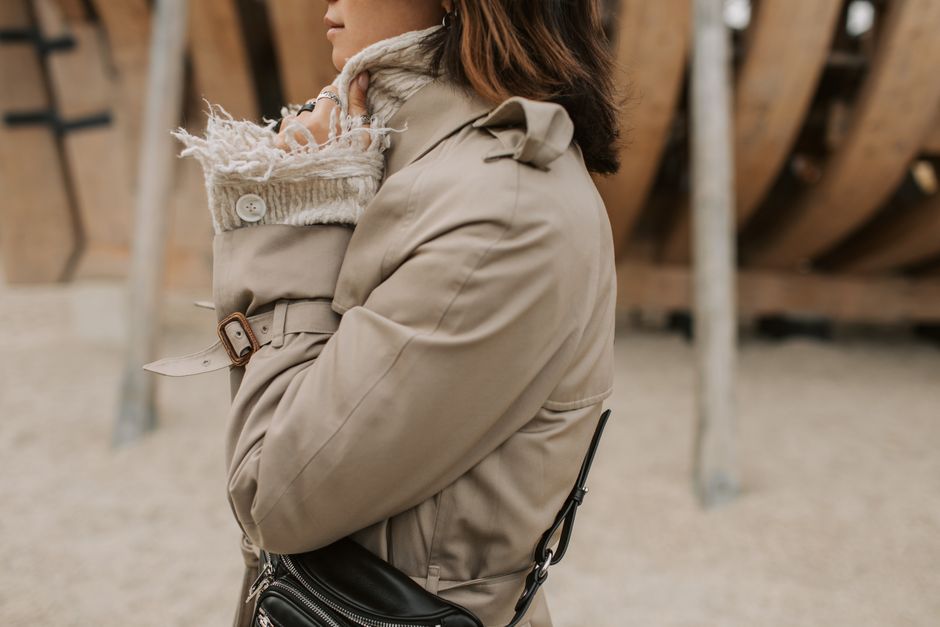
- Keep the hem intentional. A jacket that finishes at the high hip usually works with straight jeans, wide-leg trousers, and low-profile sneakers. A longer jacket can handle boots, but check that it does not compete with the shoe shaft.
- Use one heavy texture at a time. Waxed cotton, thick denim, suede boots, and chunky knitwear can all look good alone. Together, they can make a March outfit feel like late November. If the boots are substantial, keep the jacket surface clean. If the jacket is textured, use a simpler sneaker.
- Pack for the warmest part of the day. A thin shell that folds into a tote is more useful than a jacket that feels perfect at 7 a.m. and unbearable at 2 p.m. A compact windbreaker also protects the outfit when the forecast changes without forcing a full wardrobe change.
- Check the rain claim. Water-resistant, showerproof, and waterproof are not interchangeable terms. For regular wet commutes, look for sealed or welded seams, an adjustable hood, and a stated water column. For occasional drizzle, a treated cotton or nylon layer may be enough.
These rules produce a better result than chasing a single perfect color. A navy, olive, stone, or dark brown jacket can move between boots and sneakers because those colors do not force the rest of the outfit into one season.
Which jacket should you choose for your March forecast?
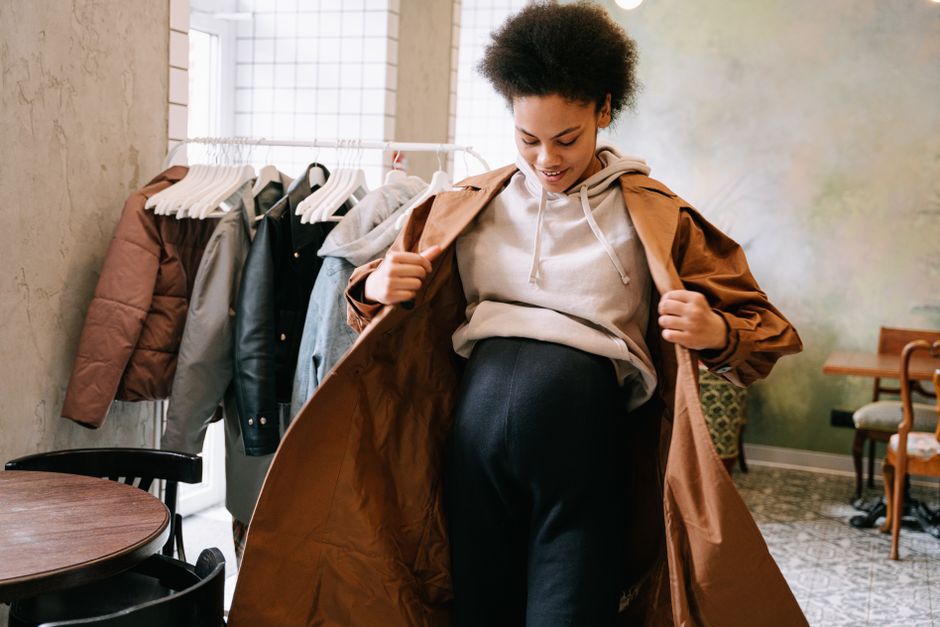
The tradeoff is a PU fabric feel and less insulation, so it needs a sweater on colder mornings.
Is the Barbour Beadnell worth the extra money?
Yes, but only for someone who wants waxed-cotton character and expects to wear the jacket for years. Its 6oz waxed cotton and 74cm back length give it better structure and weather resistance than denim, but the care instructions are demanding: do not machine wash it, and plan for periodic rewaxing. The verdict is strong for polished casual wardrobes and weak for people who want a wash-and-wear layer.
When is the Patagonia Houdini the better buy?
It blocks wind and handles light moisture, but it is not a substitute for a waterproof shell or a warm jacket. Pick it when packability matters more than structure.
When should you skip all four?
Skip these categories if your March weather regularly stays below freezing, brings heavy rain for hours, or requires formal tailoring. A lined coat, true waterproof shell, or tailored wool topcoat will solve those conditions more honestly. Bottom Line: buy the Rains Jacket for wet, mixed commutes; buy the Barbour Beadnell for heritage style and long wear; buy the Houdini for low weight; and buy the Levi’s Original Trucker only when the forecast is dry.
The single most important takeaway is to choose a light jacket for March’s temperature swing first, then choose the style that works with both your boots and your sneakers.