

You want a dress that doesn’t wreck the planet. You also want one that fits, flatters, and doesn’t fall apart after three washes. Reformation and Christy Dawn both promise this. But they’re solving the problem in completely different ways—and one of them is probably wrong for your actual life.
The core tension: Reformation scales sustainability through deadstock fabrics and efficient manufacturing. Christy Dawn bets everything on regenerative cotton and small-batch production. One feels like a tech company making clothes. The other feels like a farm that learned to sew.
Here’s the breakdown that matters—not the marketing copy, but what shows up at your door.
What You’re Actually Paying For: Price Breakdown
Reformation dresses typically run $218 to $348. Christy Dawn dresses start around $248 and climb to $428 for their signature prairie styles. But the price tags hide different cost structures.
Reformation’s scale lets them offer sales. You can regularly find dresses 30-50% off during their seasonal markdowns. Christy Dawn almost never discounts. Their philosophy is that the price reflects true cost, and discounting would undercut the farmers and sewers they work with.
| Cost Factor | Reformation | Christy Dawn |
|---|---|---|
| Entry price | $218 (basic slip dress) | $248 (simple cotton dress) |
| Premium range | $298-$348 (linen, silk) | $328-$428 (regenerative cotton, limited runs) |
| Sales frequency | Regular (30-50% off) | Rare, if ever |
| Resale value | Strong on Poshmark, Depop | Stronger—limited runs hold value |
| Cost per wear | Lower if bought on sale | Higher upfront, but durable |
Verdict: If you’re budget-conscious, Reformation on sale beats Christy Dawn every time. If you’re buying full price, the gap narrows and Christy Dawn’s durability starts to justify the premium.
Fabric Sourcing: Deadstock vs. Regenerative Cotton

This is where the brands diverge philosophically—and it affects how the clothes feel on your skin.
Reformation’s Deadstock Gamble
Reformation sources deadstock fabric—leftover material from other fashion houses that would otherwise go to landfill. This is genuinely good for waste reduction. But it creates inconsistency. A viscose dress from one batch might feel silky; the same style in another batch might feel stiffer. You can’t always predict what you’re getting.
Their linen and TENCEL blends are the most reliable. The viscose pieces, especially the slip dresses, can be hit or miss. Some customers report pilling after a season of regular wear.
Christy Dawn’s Farm-to-Closet Bet
Christy Dawn partners with Oshadi Collective in India to grow regenerative cotton. This isn’t just organic—the farming practices actively restore soil health. The cotton feels different. It’s thicker, softer, and breaks in like a good pair of jeans rather than degrading.
The tradeoff: limited color options. Regenerative cotton takes time to grow and dye naturally. You won’t find the 15 colorways Reformation offers. You’ll get maybe 3-4 per style, usually in muted earth tones.
My take: For everyday durability and tactile satisfaction, Christy Dawn’s cotton wins. For variety and trend-driven pieces, Reformation’s deadstock model offers more options.
Fit and Sizing: Where Reformation Loses Me
Reformation’s sizing is inconsistent. I’ve tried the same size in three different dress styles and gotten three different fits. Their dresses run small in the bust, especially anything with a fitted bodice. If you’re above a C cup, size up or prepare for cleavage you didn’t sign up for.
Christy Dawn runs more generous. Their dresses are cut for movement and layering. The prairie styles have adjustable ties and smocked backs that accommodate weight fluctuations. Their size range is narrower (XS-XL mostly), but within that range, the fit is more forgiving.
Reformation has expanded to plus sizes in recent years, which is a genuine advantage. Christy Dawn has not. If you need above an XL, Reformation is your only option here.
Failure mode to avoid: Don’t buy Reformation final sale without trying the style first. Their return policy on sale items is store credit only, and the sizing variance means you’re gambling.
Durability and Care: What Survives the Washing Machine
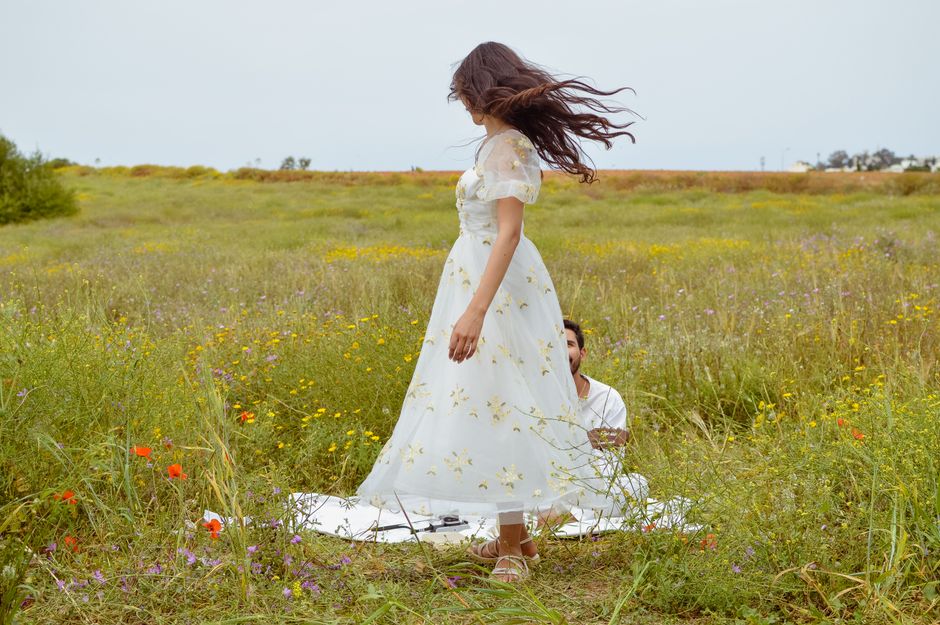
Here’s where I get blunt. Reformation dresses are not built for machine washing. Most labels say dry clean or hand wash cold. The viscose pieces shrink if you look at them wrong. I’ve seen a $278 slip dress come out of a delicate cycle two inches shorter.
Christy Dawn dresses are machine washable. The cotton is pre-shrunk and the construction is sturdier. I’ve washed a $328 Christy Dawn dress 20+ times and it looks better than new—softer, more drape, zero pilling.
This matters more than people think. A sustainable dress that requires dry cleaning has a hidden environmental and financial cost. Dry cleaning chemicals are nasty, and $12 per visit adds up fast.
Verdict: If you hate hand washing and dry cleaning, Christy Dawn is the clear winner. Reformation’s care requirements make their dresses less practical for daily wear.
When NOT to Buy Either Brand
Both brands fail in specific scenarios. Here’s when you should look elsewhere:
- You need formal evening wear. Neither brand excels at black-tie. Reformation’s evening options are limited and often too casual. Christy Dawn doesn’t make formal wear at all. Try Mara Hoffman or Stella McCartney for sustainable formal dresses.
- You’re between sizes and need precise tailoring. Both brands use stretch fabrics that don’t tailor well. A structured dress from a brand like Eileen Fisher will alter more cleanly.
- You want bold prints and bright colors. Christy Dawn’s palette is earth tones. Reformation’s prints are more varied but still muted compared to brands like Farm Rio.
- You need extended sizing beyond XL. Christy Dawn maxes out at XL. Reformation goes higher, but the selection thins out dramatically above size 16.
- You’re buying for a teenager or someone hard on clothes. Neither brand is cheap enough to justify the abuse a 16-year-old will put a dress through. Universal Standard or Everlane are better entry points.
These aren’t hypothetical edge cases. I’ve watched friends buy Christy Dawn dresses for weddings and then realize they have nothing formal enough. The prairie aesthetic is specific. It doesn’t translate to every occasion.
Which Brand Wins for Your Specific Life

I’ll make this simple. If you work in an office, go to brunch, and want to look put-together with minimal effort, Reformation’s fitted silhouettes and trend-aware cuts work better. The Reformation Frankie Silk Dress ($298) and the Reformation Juliette Dress ($248) are their most versatile styles.
If you’re a parent, a gardener, a teacher, or anyone who moves through the world actively and needs clothes that wash and wear, Christy Dawn is the better investment. The Christy Dawn Dawn Dress ($328) and the Christy Dawn Juliet Dress ($298) are workhorses that look better with age.
For the person who wants one perfect dress that lasts five years and gets softer every wash: Christy Dawn. For the person who wants five dresses that follow trends and can be bought on sale: Reformation.
The single most important takeaway: Christy Dawn is the better long-term investment for practical wear, but Reformation wins on price accessibility and size inclusivity—and if you’re buying Reformation, never pay full price.