
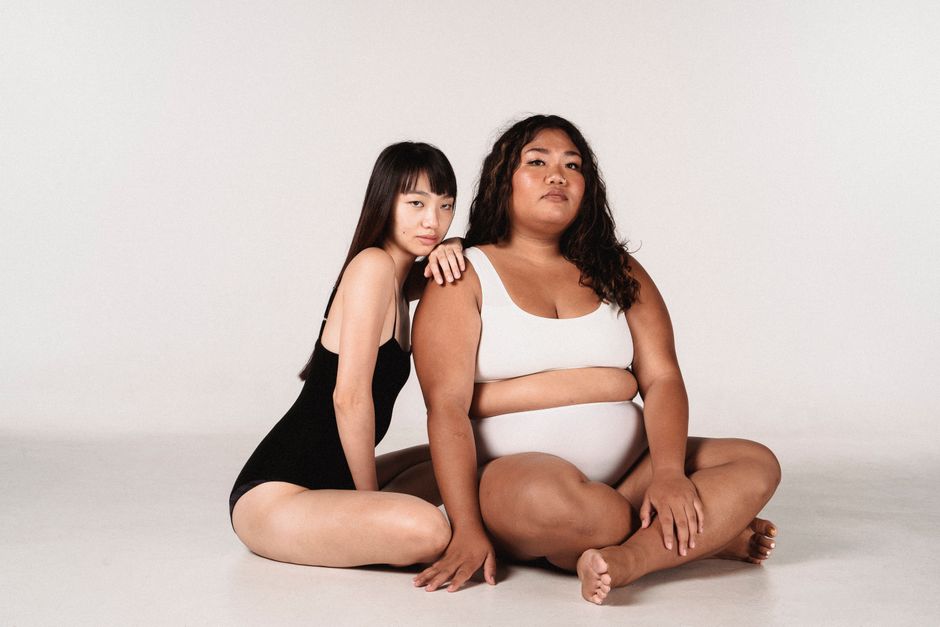
In 2026, the average American woman wears a size 16, yet most designer racks still stop at a 10 or 12. That gap isn’t a niche problem. It’s the main event. Inclusive sizing isn’t a trend cycle you can wait out. It’s a structural shift in how clothing gets made, graded, and sold. And if you’ve ever bought a pair of pants that fit your waist but not your thighs, you already know why this matters.
This guide breaks down what inclusive sizing actually means, how to spot brands doing it right, and the specific fit failures that still plague extended ranges. No fluff. Just the measurable stuff.
What Inclusive Sizing Actually Means (It’s Not Just Adding XL)
Most brands don’t design for larger bodies. They design for a sample size — usually a 6 or 8 — then mathematically scale the pattern up. That’s grading. And grading fails beyond about a size 14 because human bodies don’t scale proportionally. Shoulders don’t widen at the same rate as hips. Armholes don’t grow in a straight line. A size 20 woman isn’t just a uniformly stretched size 8.
True inclusive sizing starts with a different sample size. Or multiple sample sizes. Brands like Universal Standard design their core collection on a size 18 fit model, then grade both up and down. That’s why their jeans fit a size 26 the way they fit a size 6 — because the size 26 was the reference point, not an afterthought.
Look for three signals when evaluating a brand’s inclusive claims:
- Size range: Does the brand offer at least 00-32? A range that stops at 3X isn’t inclusive. It’s extended.
- Fit models: Does the brand publicly state they fit on multiple body types? Good American famously fits every style on size 0, 8, and 16 models before production.
- Pattern grading: Does the brand discuss how they adjust armholes, rise, and shoulder width across sizes? If they don’t mention it, they probably aren’t doing it.
The Grading Problem in Numbers
Standard grading adds about 2 inches of circumference per size at the bust and hip. But real body measurements between a size 14 and 16 often differ by 3-4 inches at the hip and only 1 inch at the shoulder. A straight grade creates armholes that gape, shoulders that droop, and waistbands that dig. You’ve felt this. It’s not your body. It’s the math.
How to Read a Size Chart Without Losing Your Mind
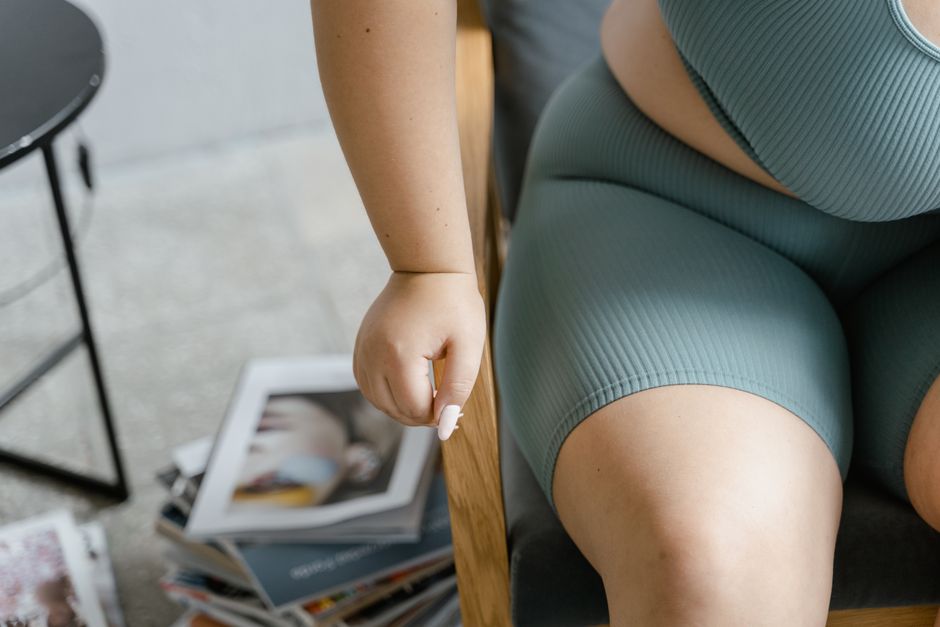
Size charts are fiction. Not because brands lie, but because they measure a garment’s flat dimensions, not your body’s curved reality. A pair of pants with a 34-inch waist measurement will fit a 34-inch waist only if the fabric has zero stretch and the rise sits exactly where the brand intended. Neither is usually true.
Here’s the practical method I use when shopping online for extended sizes:
- Measure your largest point. If your hips are 48 inches, shop for that measurement first. Waist can be altered. Hips cannot.
- Check the garment’s fabric content. If it has 2% elastane or more, subtract 1-2 inches from the listed measurement. Stretch changes fit.
- Look at the rise measurement. A 12-inch rise on pants sits at the natural waist. A 9-inch rise sits low. Know which you want before you order.
- Read reviews from people with your same measurements. Not your same dress size. Your same hip/waist/bust numbers.
Wray NYC publishes garment measurements for every size from XXS to 6X, including armhole depth and sleeve width. That’s rare. Most brands give you a generic size chart that ignores the dimensions that actually cause fit failures.
Common Fit Failures in Extended Sizes (And How to Avoid Them)
Buying clothes in larger sizes often means paying more money for worse fit. Here are the five most common failures I see, and how to spot them before you buy:
| Fit Failure | What It Looks Like | What to Look For Instead |
|---|---|---|
| Armhole gaping | Extra fabric bulging at the underarm, especially when arms are down | Brands that mention “adjusted armhole depth” or show side-view photos on larger models |
| Waistband roll | Waistband folding over itself when you sit, digging into the stomach | Contoured waistbands with interior elastic, not just a straight rectangle of fabric |
| Shoulder drop | Shoulder seams sitting 2+ inches past your actual shoulder | Brands that reduce shoulder width in larger sizes rather than scaling it up |
| Short rise | Pants that can’t reach your natural waist without giving you a wedgie | Rise measurements of 11+ inches for a mid-rise fit in sizes 16+ |
| Fabric strain | Horizontal pull lines across the bust, hips, or thighs | Fabric with at least 2% elastane, or brands that add ease specifically for larger sizes |
One brand that addresses these directly is Sotela. They make wrap dresses and jumpsuits with adjustable waist ties and offer custom inseam lengths. Their size range runs from 00 to 30, and they fit on models across that entire spectrum. The difference shows in the side seams — they hang straight instead of pulling forward.
When Not to Buy Extended Sizes
Sometimes the most inclusive choice is not buying at all. Here’s when to walk away from a brand claiming to serve your size:
If the brand’s extended sizes cost more than their straight sizes, that’s a red flag. Universal Standard prices every size identically. Big Bud Press does the same with their workwear-inspired pants and jumpsuits, which run from XXS to 6X at one flat price. Charging more for more fabric is a choice about margin, not math. A size 22 shirt uses maybe $3 more material than a size 6. If the price jumps $30, you’re paying a fat tax.
If the brand only shows extended sizes on one body type — usually an hourglass shape — be skeptical. Bodies in larger sizes come in apple, pear, rectangle, and every other shape. A brand that only fits curvy plus-size models hasn’t solved for inclusive fit. They’ve solved for marketing.
If the brand’s extended sizes are online-only while straight sizes are in stores, you can’t try before you buy. That shifts the return burden onto you. Walk away unless the return policy is genuinely free both ways.
Fabric and Construction: What Actually Holds Up in Larger Sizes
Fabric matters more as sizes increase. A size 6 dress in cheap polyester might hang fine. A size 22 dress in the same fabric will cling, pill, and stretch out by the third wear. Here’s what to look for:
- Natural fibers with structure: Cotton twill, linen blends, and wool hold their shape better than rayon or viscose. They also breathe, which matters when more fabric covers more skin.
- Reinforced seams: Look for flat-felled seams on pants and double-stitched seams on dresses. Single-needle construction fails faster under tension.
- Interfacing in waistbands and collars: This is the hidden layer that keeps a waistband from folding or a collar from curling. Cheap brands skip it. Good brands don’t.
- Stretch recovery: Elastane loses its snap after about 50 wears. Look for brands that use higher-quality stretch fibers like Lycra or Roica, which hold recovery longer.
Good American uses a proprietary stretch denim that holds its shape through sizes 00-32. Their jeans are expensive — $150 to $200 a pair — but the fabric recovery is the reason they don’t bag out at the knees by month three. If you’re buying one pair of jeans this year, that’s the difference between a $40 pair you replace twice and a $160 pair you keep for five years.
A Final Word on Fit Philosophy
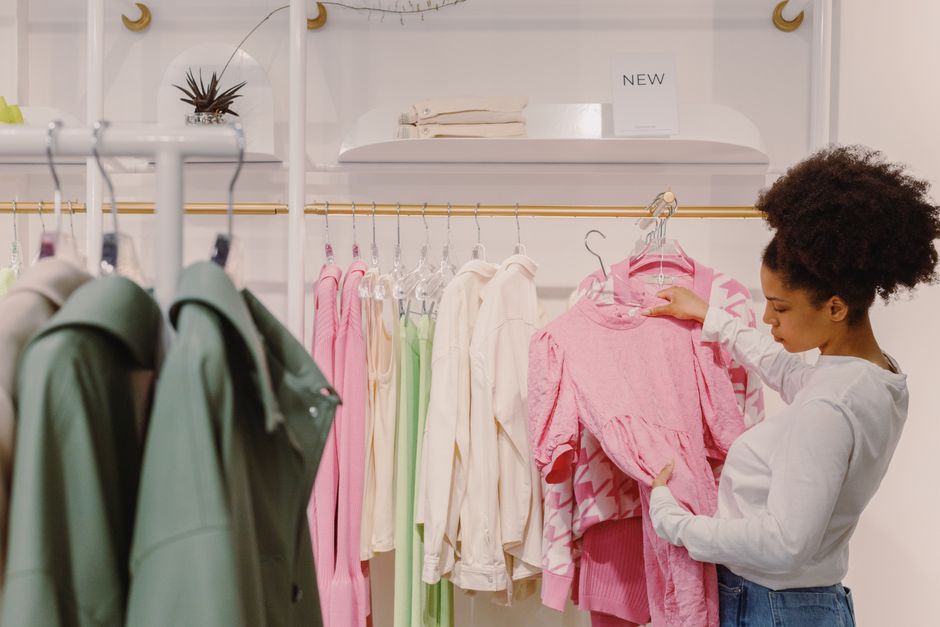
The fashion industry spent decades telling larger bodies to hide, minimize, and wait for the next diet to work. Inclusive sizing flips that. It says your body is the design brief, not the problem. The brands doing this well — Universal Standard, Good American, Wray NYC, Sotela, Big Bud Press — aren’t just adding sizes. They’re rebuilding patterns from the ground up.
The next five years will separate brands that genuinely design for body diversity from those that just extended their size chart for PR. You can already tell the difference. It’s in the armhole depth. It’s in the rise measurement. It’s in the price tag that doesn’t punish you for needing a size 22.
Buy from brands that fit you, not brands that tolerate you.