

The most important thing to understand about buying a little black dress under $100 for a formal occasion is this: the price ceiling forces you to prioritize fit and fabric over embellishment. A $90 dress with clean seams and a proper lining will read as more formal than a $60 dress covered in cheap lace that pills after one wear. This is not a matter of opinion. It is a matter of how garment construction works at this price point.
This guide explains what to look for, what to avoid, and which silhouettes actually work for formal settings when your budget is capped at three figures.
Fabric First: What Actually Passes as Formal Under $100
Most dresses in this price range are made from polyester or polyester blends. That is not automatically disqualifying. What matters is the weight, the weave, and whether the fabric has been treated to resist wrinkling and static.
Look for these three fabric descriptors when shopping online or checking tags in stores:
- Polyester crepe — This is the workhorse of budget formalwear. It has a slightly textured surface that does not cling to the body the way cheaper polyester satin does. Dresses from brands like Everlane and Quince use a heavier crepe that drapes cleanly and survives sitting through a dinner without looking crushed.
- Scuba knit — A double-knit fabric with a smooth, almost spongy hand. It holds its shape extremely well and hides lumps. The downside is breathability. If the event is outdoors in summer, scuba will feel hot.
- Viscose blends — Viscose adds movement and a slightly more expensive drape. But it wrinkles aggressively. A viscose-blend dress needs a steamer before every wear. If you do not own a steamer, skip it.
Avoid anything labeled “chiffon” under $100. Cheap chiffon is usually stiff, scratchy, and translucent. It photographs poorly under flash and reads as costume fabric in person. The exception is a chiffon overlay on a solid lining, but even then, the overlay is the first thing to snag or fray.
The Lining Test
Flip the dress inside out or check the product description. Does it have a full lining? A dress without a lining will cling to tights, show panty lines, and feel flimsy. At minimum, the bodice should be lined. A fully lined dress under $100 is a strong signal that the brand spent money where it matters.
Quince’s Stretch Silk Slip Dress ($79.90) is technically a silk-blend shell with a polyester lining, and it is one of the few sub-$100 options that passes the lining test consistently. Everlane’s The A-Line Dress ($98) is another, made from a heavier crepe with a full slip lining.
Silhouette Rules: Three Shapes That Work, Two That Rarely Do
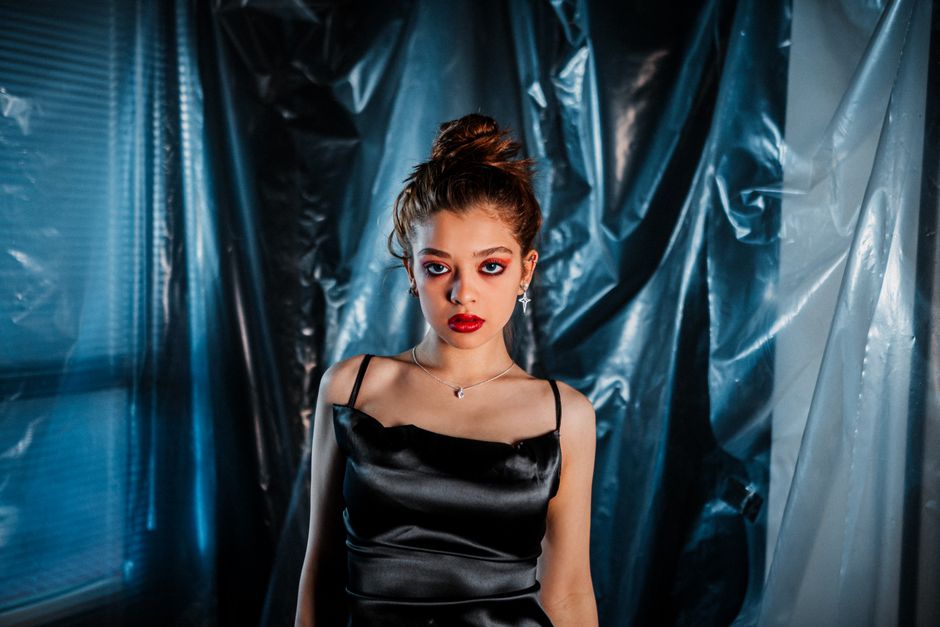
Not every little black dress silhouette is appropriate for formal occasions. The silhouette determines whether the dress reads as “cocktail” or “office.”
These three silhouettes work reliably at this price point:
- A-line — Fitted at the bodice, flaring gently from the waist. It flatters most body types and does not require expensive tailoring to look intentional. The A-line also hides fit issues in the hip and thigh area, which is where budget dresses most often fail.
- Sheath — Straight-cut through the body. This is the hardest silhouette to fit off the rack because it follows every curve. If you find one that fits, it is the most formal-looking option under $100. But be prepared to try multiple sizes or order from a brand with consistent sizing like J.Crew Factory.
- Fit-and-flare — Similar to A-line but with a more pronounced waist seam and fuller skirt. This reads as slightly more dressed-up. It is the safest choice for weddings and evening events because the skirt adds movement without requiring a perfect lower-body fit.
Two silhouettes to avoid in this price range:
- Bodycon — A cheap bodycon dress shows every seam, every underwear line, and every pound of water weight. It also reads as clubwear, not formalwear, unless the fabric is unusually substantial. Most sub-$100 bodycon dresses are not.
- Slip dress — A bias-cut slip dress is beautiful when made from real silk. Under $100, you are usually getting a polyester imitation that clings and shifts. The exception is Quince’s silk-blend version, but even that requires careful undergarment planning.
Fit Checks Before You Buy: The Three Measurements That Matter
Online shopping for a formal dress is a gamble. You cannot try it on before buying. But you can stack the odds in your favor by checking three measurements against your own body, not against the brand’s size chart alone.
Bust Circumference
Measure around the fullest part of your bust while wearing the bra you plan to wear with the dress. Compare this to the garment’s bust measurement, not the size label. Many budget brands run small in the bust. If the garment measurement is less than 1 inch larger than your bust measurement, size up.
Waist Placement
Look at where the waist seam sits on the model. If the model is 5’9″ and the waist seam hits at her natural waist, it will hit lower on you if you are 5’4″. A dropped waist seam changes the entire proportions of an A-line or fit-and-flare dress. Check the product description for “waist to hem” or “bodice length” measurements.
Shoulder-to-Hem Length
This is the single most overlooked measurement. A formal dress that hits mid-thigh on a 5’10” model might hit just above the knee on you, which changes the formality level. For formal occasions, you want the hem to hit at or below the knee. If the dress is described as “mini” or the model’s hem is above mid-thigh, assume it will be too short for a formal setting unless you are under 5’3″.
Formal Occasion Breakdown: What to Wear Where

Not all formal occasions are the same. The dress you wear to a courthouse wedding is not the dress you wear to a black-tie-optional gala. Here is how to match a sub-$100 little black dress to the event.
| Occasion | Recommended Silhouette | Fabric Priority | What to Avoid |
|---|---|---|---|
| Wedding (cocktail attire) | A-line or fit-and-flare | Crepe or scuba; wrinkle-resistant | Anything bodycon, white-adjacent patterns, visible lace |
| Work gala or awards dinner | Sheath or A-line | Matte crepe; fully lined | Slip dresses, exposed zippers, high slits |
| Funeral or memorial service | Sheath or simple A-line | Matte, non-shiny fabric | Sequins, lace overlays, anything strapless or backless |
| Formal dinner or anniversary | Fit-and-flare or A-line | Anything with good drape | Office-adjacent cuts that read as workwear |
| Black-tie optional | Sheath with elevated fabric | Silk-blend or heavy crepe | Cotton, jersey, anything labeled “casual” |
The table above is a starting point, not a rulebook. But it reflects a consistent principle: the more formal the event, the more the dress should disappear and let you be the focus. Embellishment, shine, and skin exposure all pull attention to the dress itself. Under $100, restraint is your best accessory.
When Not to Buy a Little Black Dress Under $100
Sometimes the correct answer is to rent, borrow, or buy something else entirely.
If the event is genuinely black-tie — meaning the invitation specifies a tuxedo for men and floor-length gowns for women — a sub-$100 little black dress will almost certainly miss the mark. The fabric, the hem length, and the construction will not hold up next to true eveningwear. In this case, a rental from a service like Rent the Runway or Nuuly is the better financial decision. Spending $50 to rent a $400 dress for one night beats spending $80 on a dress you will never wear again because it was not formal enough.
If you are between sizes or have a body type that requires significant tailoring, factor in alteration costs. Taking in the waist of a sheath dress might cost $30 to $50. Taking up the hem on an A-line might cost $25. Suddenly your $90 dress is a $140 dress. At that point, you are close to the price of a dress from a brand with better size grading, like Boden or J.Crew on sale.
If you attend formal events more than twice a year, consider buying one higher-quality dress instead of two cheap ones. A $200 dress from a brand like Theory or Vince on sale will outlast and out-perform four $50 dresses. The cost-per-wear math favors the better dress.
The Under $100 LBD That Actually Works, by Body Type
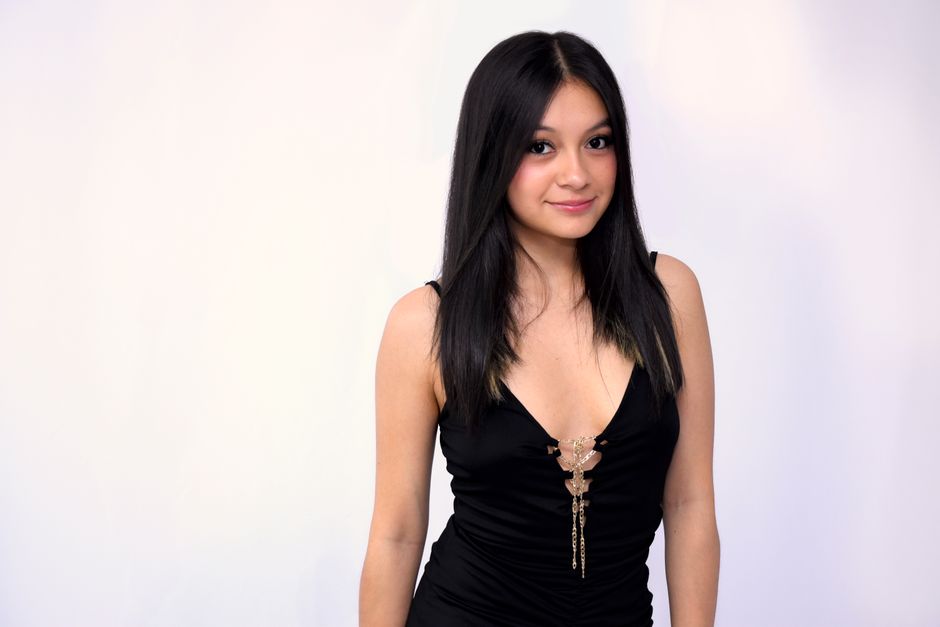
If you are buying this week and need a concrete recommendation, here it is, based on body type and the current 2026 market.
For a straight or athletic build: The Everlane A-Line Dress ($98) is the safest sub-$100 choice. The heavier crepe gives structure without stiffness, and the A-line shape creates the illusion of curves without requiring a perfect hip fit. It is fully lined and machine washable, which is rare at this price.
For a curvy or hourglass build: Look at J.Crew Factory’s Sculpted Sheath Dress (typically $79 to $89 on sale). The fabric has enough stretch to accommodate a larger bust-to-waist ratio, and the seaming is designed to follow curves rather than fight them. Order your usual size plus one size up and return the one that does not fit.
For a petite build: Quince’s Stretch Silk Slip Dress ($79.90) in the petite length is the rare sub-$100 option that does not require hemming. The bias cut drapes well on shorter frames, and the silk-blend shell reads as more expensive than it is. Wear it with a tailored blazer if the event is conservative.
For a plus-size build: Universal Standard’s Foundation Dress (often on sale under $100) is the best-constructed option in this category. The fabric is a substantial double-knit that smooths without compressing, and the brand’s size range is genuinely inclusive, not just extended. Check the sale section; full price is above $100, but seasonal markdowns bring it under.
Each of these recommendations comes with the same caveat: check the measurements, not the size label. A dress that fits properly will always look more expensive than a dress that costs more but fits badly.
You started this search because you needed a formal dress without spending a fortune. The answer is not to find the cheapest black dress on the rack. It is to find the one with the right fabric, the right silhouette, and the right fit for your body. That dress exists under $100. You just have to know what to look for.