
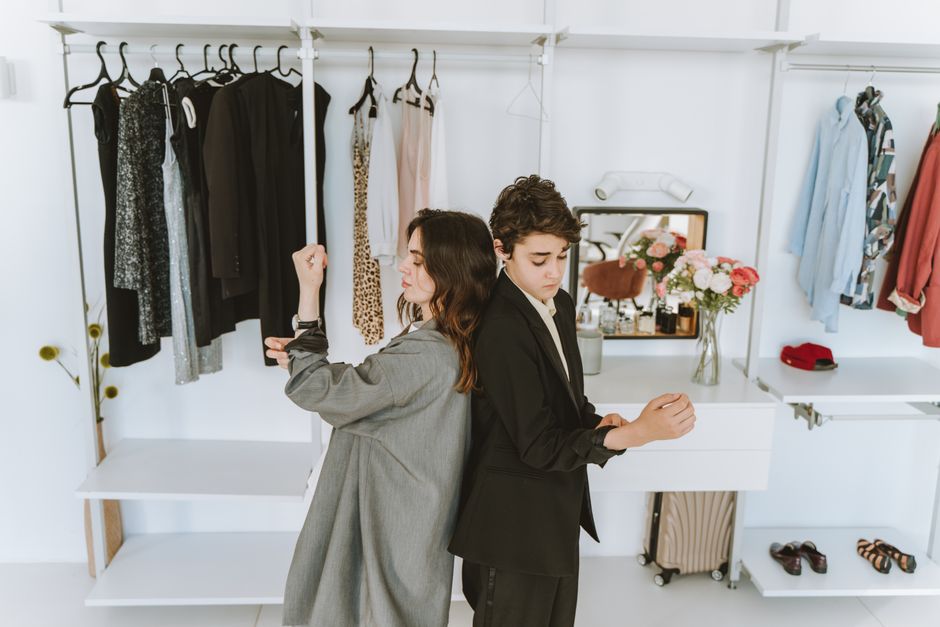
I sold or donated about 70% of my closet in one weekend. Not because I’m noble. Because I was tired of buying $40 sweaters that pilled by February. Eighteen months later, I haven’t bought a single new clothing item. No Zara runs, no ASOS scrolls at 1am, no “quick” Target trip that ends with three impulse tops. Here’s what I learned the hard way, including the apps I actually use and the mistakes that cost me money.
The biggest surprise? Going secondhand didn’t make my wardrobe cheaper at first. It made it better. I stopped buying “good enough” pieces and started hunting for specific fabrics, brands, and fits that last. That shift matters more than any thrift haul video would have you believe.
The Real Rules: What I Wish Someone Told Me on Day One
Most thrift advice is useless. “Look for quality” means nothing when you’re holding a rack of 40 black blazers. Here are the rules I actually follow now.
Rule 1: Buy the fabric, not the brand
I used to buy brands. Now I buy fiber content. A no-name vintage wool blazer from the 1990s will outlast a polyester blazer from a designer label. I check the tag before anything else. My current rules: 100% wool, cashmere, silk, linen, or heavy cotton. No acrylic. No viscose blends that pill. No “vegan leather” that flakes in six months. Polyester has its place in activewear, but for daily wear, natural fibers survive.
Rule 2: Know your measurements, not your size
A size 8 from 1995 is not a size 8 from 2018. Vanity sizing has shifted everything. I keep three measurements in my phone: shoulder-to-shoulder (16.5 inches), pit-to-pit (20 inches), and inseam (28 inches). Sellers on Poshmark and eBay will measure for you if you ask. I’ve passed on dozens of items where the seller’s measurements didn’t match what I need. That’s saved me hundreds in alterations and returns.
Rule 3: Set a per-item price ceiling
Thrifting can become its own addiction. I set a hard ceiling: $50 for coats and blazers, $30 for dresses, $25 for pants, $15 for tops. Anything above that needs to be a grail item — something I’ve been hunting for months. This rule killed my impulse buying faster than any budget app.
One more thing: thrift stores are not automatically cheap. I’ve seen used H&M dresses priced higher than their original retail. Consignment stores in wealthy neighborhoods know what they have. Don’t assume secondhand = bargain. Check comps on eBay before you buy.
The Apps I Actually Use (And the One I Deleted)
Not all secondhand platforms are equal. After 18 months, my phone has three apps. Here’s why.
| Platform | Best For | My Average Price | Verdict |
|---|---|---|---|
| Poshmark | Specific brands, newer items, offers system | $18–$35 | Best for targeted hunting. Search “Everlane wool sweater size M” and set alerts. |
| eBay | Vintage, deadstock, menswear, odd sizes | $12–$45 | Best for deep cuts. Filter by “pre-owned” and sort by ending soonest for deals. |
| ThredUp | Fast browsing, returnable items | $15–$30 | Best when you want a safety net. Returns are easy, unlike Poshmark cases. |
I deleted Depop after three months. The aesthetic is great if you’re 22 and want Y2K cargo pants. I’m 34. I need clothes for meetings and weekends, not Instagram fit pics. Depop’s search is also terrible for filtering by fabric or measurements. If you’re into vintage band tees and streetwear, keep it. For my wardrobe, it was noise.
The underrated move? eBay’s “saved searches” with email alerts. I have one for “vintage Pendleton wool cardigan size M” and another for “G.H. Bass Weejuns 8.5”. When something pops up, I get an email. I’ve scored a $12 Pendleton and a $28 pair of Weejuns that way. Patience beats scrolling.
Failure Modes: Where I Wasted Money
I made every mistake. Here are the three that cost me real cash.
Mistake 1: Buying “fixer-uppers.” A $15 blazer that needs new lining and shortened sleeves is not a $15 blazer. It’s a $75 blazer after tailoring. I now factor tailoring into the price before I buy. If the total exceeds my ceiling, I pass.
Mistake 2: Ignoring pit stains and odors. Some sellers don’t disclose. I bought a silk blouse that smelled like a basement. Dry cleaning didn’t fix it. Now I ask every seller: “Any stains, snags, or odors?” If they don’t answer, I don’t buy. Sellers who ignore questions are hiding something.
Mistake 3: Settling for “close enough.” The most expensive clothes are the ones you don’t wear. I bought a pair of trousers that were slightly too big in the waist because they were $18 and “fine.” I’ve worn them twice. If the fit isn’t right, the price doesn’t matter.
A Week in the Life: What This Actually Looks Like
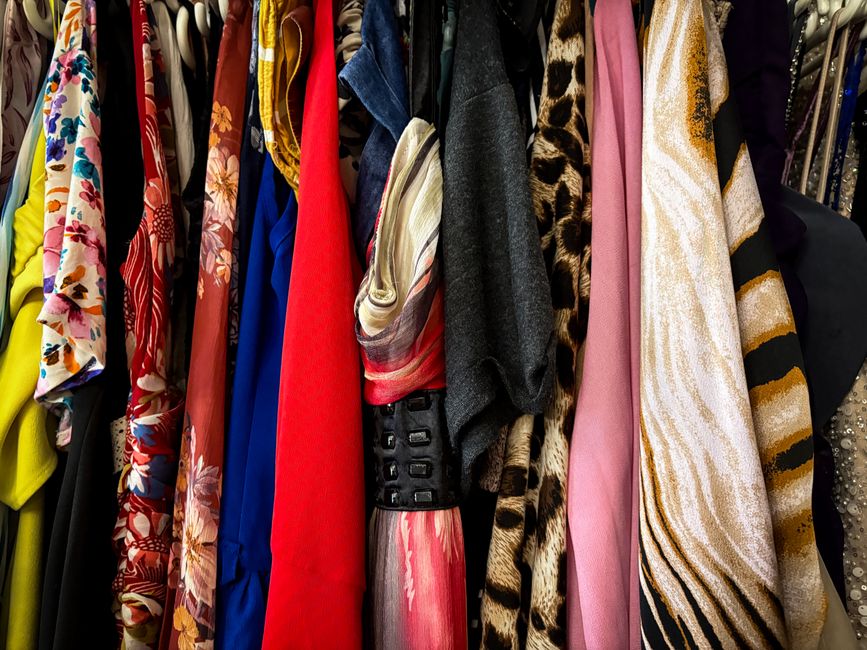
People assume secondhand-only means wearing weird vintage dresses every day. Here’s what I actually wore last week:
- Monday: Vintage Pendleton wool cardigan ($12, eBay), Uniqlo cotton tee (had it for years), Everlane straight-leg jeans ($22, Poshmark)
- Tuesday: Brooks Brothers oxford shirt ($9, thrift store), Aritzia wool trousers ($18, ThredUp)
- Wednesday: Silk Equipment blouse ($24, Poshmark), vintage leather belt ($6, thrift store), same Everlane jeans
- Thursday: L.L. Bean fisherman sweater ($15, eBay), corduroy pants from a consignment shop ($14)
- Friday: Vintage wool blazer ($28, eBay), white tee, Levi’s 501s from the ’90s ($35, Depop before I deleted it)
Nothing looks “thrifted” in a costume-y way. The key is buying classic silhouettes in neutral colors, then letting accessories do the work. My wardrobe is smaller than it was, but every item gets worn. That’s the point.
When You Should NOT Buy Secondhand
I’m not a purist. There are categories where secondhand is a bad idea.
Shoes with heavy wear. A used shoe has molded to someone else’s foot. Unless they’re barely worn or have replaceable insoles, skip them. I bought used leather boots once. The previous owner’s gait had worn the sole unevenly. My knees hurt after a week. I now buy shoes new or barely-worn only.
Anything with elastic. Elastic degrades over time. Used leggings, swimwear, and underwear are a no for me. I don’t care how good the deal is. The elastic is already halfway to dead.
Trend pieces. If a trend is hot right now, the secondhand market is inflated. I wanted a pair of barrel-leg jeans last year. Used pairs were $60+. I waited. Six months later, they were $25. If you’re buying trends secondhand, you’re still chasing trends. Wait for the hype to die.
The honest takeaway from 18 months: secondhand isn’t about being perfect. It’s about being intentional. I buy less, I buy better fabrics, and I actually know what’s in my closet. That’s the win. Not the savings, not the sustainability points. The clarity.